Blog Mila’s School Prep Guide
26 August, 2026

Mila’s School Prep Guide

Download

Get ahead of the morning rush with Mila. This simple checklist helps families prepare school supplies, uniforms, lunchbox essentials and other must-haves, so everything is ready when the school day begins.


Download

More Articles

Blog Goat vs. Cow Milk Cheese: What Are the Main Differences?
14 May, 2024

Goat vs. Cow Milk Cheese: What Are the Main Differences?

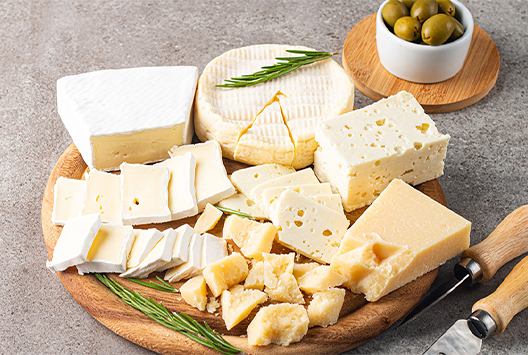
Cheese coming from cow's milk or goat's milk may seem like distant cousins at first glance, but they are actually quite different! Do you know what these differences are? Fortunately for you, we’ve pointed out some of them below. Are you ready for some cheesy knowledge?Goat Cheese: What is it?Any cheese made solely from goat's milk is known as goat cheese or chèvre in French. Goat milk has a low casein content, which results in tiny, breakable curds. Goat cheese can turn chalky, brittle, or earthy as it matures. Goat cheese is typically creamy, spreadable, and tart when young. Because it contains a lot of vitamin A, goat cheese appears slightly brighter. This type of cheese is also packed with vitamins E, K, B6, and B3 (niacin). The taste of goat cheese is quite unique because of the presence of medium-chain fatty acids like caprylic and capric acid.There are three critical differences between cheese made with goat’s milk and that made with cow's milk. We’ve listed them below: Nutrition: Goat milk has a slight edge over bovine dairy regarding fat and nutrients but is lower in lactose, vitamin D, and riboflavin. Cow's milk has more giant lipid molecules than goat's milk, which makes it harder to process and gives it a heavier texture. Lactose-sensitive people might be able to consume goat's milk cheese because it has smaller fat molecules and less lactose than cow's milk cheese.Flavor: Cow's milk is preferred for cheese production because of its mild, neutral flavor and more cohesive protein structure. Compared to cow's milk cheese, goat cheese tends to be smoother and tangier.Accessibility: Cow's milk cheese is much more widely accessible. While goat's milk is usually produced locally in small batches, cow's milk is less expensive and more widely available.Popular slices of cheese made from cow's milkFrom cow's milk, a variety of well-known cheeses are produced, including: Fresh Cow CheesesThe best cheeses are those that can be spread and are produced from fresh cows. Many new pieces of cheese are usually made with cow's milk, such as quark in Austria, cream cheese in the United Kingdom, mascarpone in Italy, queso fresco in Mexico, cottage cheese in the United States, and fromage blanc in France. Soft and Semi-Soft Cow CheesesCow cheeses that are soft or semi-soft have a creamy texture and maintain their form. French cheese like Brie, Camembert, and Port Salut are a few of these. American cheeses Wisconsin Brick and Monterey Jack are also included.Blue Cheeses Blue growing lines on cheese make it easy to identify. The British delicacies Gorgonzola and Stilton (from Italy) are the most well-known blue cheeses made from cow’s milk.Hard and Semi-Hard Cow CheesesThe finest aged hard or semi-hard cow cheeses have a firm texture, making them perfect for slicing and grating. Emmental from Switzerland, Gruyère from France, Swiss and Colby from the United States, Cheddar from the United Kingdom, Gouda and Edam from the Netherlands, and Parmesan and Provolone from Italy are some of the hard bovine cheeses available today (Italy).High-Fat CheesesThe rind of high-fat cheeses contains a soft, cream-like material. Double cream (over 60% fat content) and triple cream (over 72%) are high-fat cheeses resembling Brie but are much heavier. These include cheeses like Brillat-Savarin, Explorateur, Gratte-Paille, and others from the French Fin-de-Siècle period.Common Goat's Milk CheesesThe chèvre - a soft, spreadable raw cheese - comes to mind when we think of goat's milk cheese. However, almost any type of cheese can be made with goat's milk, including:- Crottin de Chavignol is a type of hard goat cheese (France)- Goat cheeses that melt quickly, such as Chabichou, Cabécou, and Banon (France)- French blue goat cheeses include Humboldt Fog and Valençay

Blog Greek Yoghurt vs. Regular Yoghurt: Which One Is Right For You?
03 October, 2024

Greek Yoghurt vs. Regular Yoghurt: Which One Is Right For You?

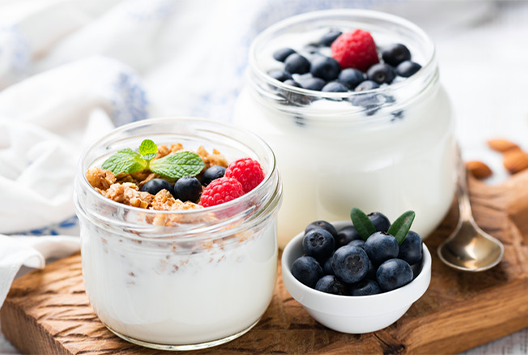
Yoghurt is a staple in many diets across the globe and is known for its creamy texture and tangy flavor. This versatile, protein-packed food can be enjoyed with fruits, nuts, or savory ingredients. While several types of yoghurt are available in the market, two of the most popular varieties are Greek yoghurt and regular yoghurt. With Baladna's range of high-quality yoghurts, it's essential to understand the differences between these two types to determine which suits your taste and nutritional needs better. In this blog post, we will compare Baladna Greek yoghurt and regular Baladna yoghurt to help you make an informed decision.Baladna Greek Yoghurt vs. Regular Baladna Yoghurt: What's the difference?1. Production ProcessGreek yoghurt and regular yoghurt begin with the same ingredients — milk and live bacterial cultures. However, the production process differs slightly, resulting in unique textures and nutritional profiles.Regular yoghurt is made by fermenting milk with live bacterial cultures, allowing the bacteria to convert lactose into lactic acid. This process thickens the milk and gives yoghurt its characteristic tangy flavor.On the other hand, Greek yoghurt undergoes an additional step after fermentation. The yoghurt is strained to remove excess whey, resulting in a thicker, creamier consistency. Baladna's Greek yoghurt is made using a traditional straining method that ensures its signature rich texture.2. Texture and TasteThe most apparent difference between Greek yoghurt and regular yoghurt is its texture. Greek yoghurt is thicker and creamier, owing to the removal of whey during the straining process. Regular yoghurt, while still smooth, has a thinner consistency.Taste-wise, Greek yoghurt is often described as having a more concentrated flavor due to its reduced whey content. It has a slightly tangier taste than regular yoghurt, which may be milder and sweeter, depending on the brand and variety.3. Nutritional DifferencesGreek yoghurt and regular yoghurt also differ in their nutritional profiles. Here's a breakdown of their key nutrients:Fat: The fat content in both yoghurt types depends on the milk used during production. Both Greek and regular yoghurt have full-fat, low-fat, and fat-free options. Baladna offers full-fat Greek yoghurt and a range of regular yoghurt options, including low-fat and fat-free varieties.Calcium: Regular yoghurt typically has a higher calcium content than Greek yoghurt. The straining process in Greek yoghurt production removes some of the calcium-rich whey. However, both yoghurt types still contribute to your daily calcium intake.Probiotics: Greek and regular yoghurt contain live bacterial cultures (probiotics) that can benefit gut health. Some brands may have more probiotic strains than others, so checking the label for specific information is essential.Is one better than the other?The choice between Greek and regular yoghurt ultimately depends on your taste preferences and nutritional needs. If you prefer a thicker, creamier texture and tangier taste, Greek yoghurt may be the better option. Additionally, it's an excellent choice for those looking for a higher protein and lower carbohydrate content.Regular yoghurt is still nutritious, with a milder flavor and thinner consistency. It may be more suitable for those who require a higher calcium intake or prefer a gentler taste.It’s a yoghurt world Baladna yoghurt products ensure that you can enjoy the benefits of both Greek and regular yoghurt, depending on your preferences. Whether you prefer the tangy taste of Greek yoghurt or the creamy sweetness of regular yoghurt, both can be part of a healthy and balanced diet.Are you looking for high-quality yoghurt? Baladna provides authentic, fresh, and quality dairy products. Our farm can house up to 24,000 cows in a comfortable and well-conditioned environment, allowing them to reach their production capacity comfortably. Browse more of our products today!

Blog Baladna Cheese Varieties: A World of Flavor
25 June, 2025

Baladna Cheese Varieties: A World of Flavor

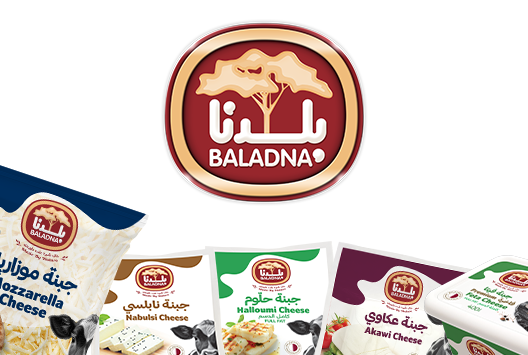
Baladna cheese is a delightful and versatile option that can be enjoyed on its own or paired with a wide range of foods. Crafted from 100% fresh, local milk, our cheese range boasts a rich flavor and smooth, creamy texture, making it an ideal choice for picnics, formal dinners, or any occasion. Here are some of the most popular varieties of Baladna cheese:1. Feta: A Tangy DelightBaladna Feta Cheese is a salty, crumbly cheese that takes the spotlight in salads, sandwiches, and dips. You can create various dishes using Baladna Premium Feta Cheese, such as feta salad, feta grilled cheese sandwiches, feta spinach dip, feta pasta salad, feta quiche, and stuffed mushrooms. For a Greek-inspired treat, consider making spanakopita by mixing spinach, feta, fresh parsley, dill, onions, garlic, eggs, olive oil, salt, and pepper, then layering the filling in flaky puff pastry before baking.2. Halloumi: The Perfect Salad PartnerKnown for its squeaky texture, Baladna Halloumi is fantastic for grilling and pairs beautifully with salads and pizzas. Try making meat-free skewers using cubes of halloumi, bell peppers, onions, and tomatoes. Simply grill the kebabs until the halloumi is golden brown and the vegetables are tender. A classic halloumi salad can be made with chopped tomatoes, cucumbers, onions, and herbs, all drizzled with a light vinaigrette.3. Mozzarella: A Universal FavoriteMild and milky, Baladna Shredded Mozzarella is perfect for pizzas, pasta, and sandwiches. This cheese is known for adding a creamy flavor to pasta dishes like lasagna, spaghetti, and macaroni and cheese. For a gooey treat, use mozzarella in grilled cheese sandwiches, club sandwiches, and paninis.4. Akawi: A Salty, Gooey IndulgenceWith its salty flavor and stretchy texture, Baladna Akawi Cheese is ideal for dough-based dishes like cheese manakeesh and rakakat jebneh. It’s also the key ingredient for achieving the perfect kunafa. 5. Nabulsi: A Creamy TreatBaladna Nabulsi Cheese offers a creamy texture and a mild tang, perfect for breakfast platters or unique salads. Its slightly salty flavor pairs well with fresh veggies, olives, and bread, or can be crumbled over roasted vegetables and grains. Elevate your dishes with Baladna cheese by your side No matter how you choose to enjoy it, Baladna cheese adds a touch of exceptional flavor to any dish. As a proud Qatari-owned and operated farm, we are dedicated to providing our customers with the finest dairy products. Our expansive farm spans over 2.6 million square meters and houses 24,000 cows, all raised in comfortable and well-maintained conditions to ensure optimal production. Visit our website today to learn more about our offerings!

Blog Power Hour: The Best Time To Drink Pineapple Juice
09 September, 2026

Power Hour: The Best Time To Drink Pineapple Juice

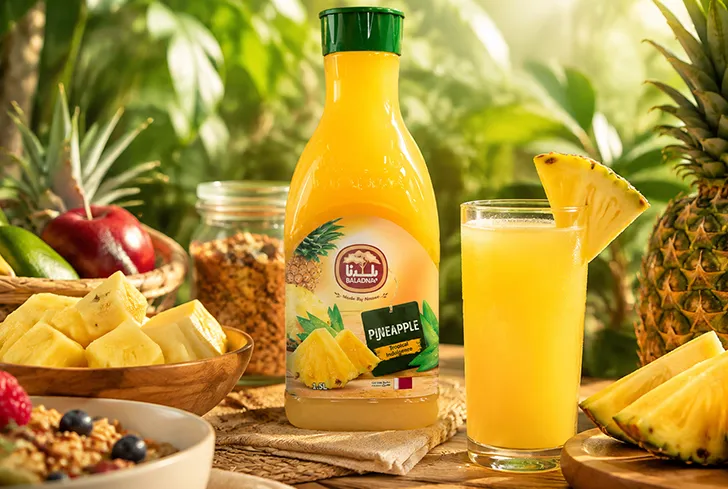
Pineapple juice is a delicious and refreshing drink that is enjoyed by people all over the world. It is made from the fruit of the pineapple plant, which is native to South America but is now grown in many parts of the world. But, did you know that pineapple juice is like a superhero drink packed with vitamins, minerals, and antioxidants? That's right! It's like having a powerful elixir that can provide numerous health benefits to your body and mind. In this article, we will take a closer look at the health benefits of pineapple juice. We’ll also explore the best time to drink it. Pineapple Juice: A look at calories and nutrition factsA 100 ml bottle of Baladna Pineapple Juice contains around 46.1 calories, which makes it a relatively low-calorie drink. It is also packed with vitamins and minerals. In fact, one cup of pineapple juice can help you achieve your recommended vitamin C intake. It is also a good source of vitamin B6, thiamin, and folate. Did you know that pineapple juice is also good for your heart health? It's true! This power drink is packed with potassium, which can help regulate blood pressure and promote a healthy heart. Plus, it's got a few other sidekicks like calcium, magnesium, and iron that can help keep your body strong and healthy. When is the best time to drink pineapple juice?There is no one right answer to this question. The ideal time to drink pineapple juice depends on your preferences and lifestyle. But, here are some guidelines to help you maximize the benefits of pineapple juice: In the morningDo you need help to get your day started? Grab a glass of pineapple juice and get ready to feel energized! Pineapple juice is the perfect way to kickstart your metabolism and give you a natural boost of energy. What’s more – it's packed with vitamin C, like a superhero that fights off bad guys (aka free radicals) and boosts your immune system. And get this, vitamin C also helps your body absorb iron, which is super important for keeping your blood cells healthy.But wait, there's even more! Drinking pineapple juice in the morning on an empty stomach can help your tummy too. It helps break down proteins, making you feel less bloated and more comfortable. So go ahead, pour yourself a glass of pineapple juice in the morning and get ready to take on the day!Before or after exerciseAre you seeking a secret weapon to take your workouts to the next level? Look no further than pineapple juice! This tasty drink can help improve your athletic performance and aid muscle recovery. Pineapple juice contains potassium, which works wonders for your muscles. It helps regulate fluid balance and prevents pesky muscle cramps from ruining your workout. It also provides a quick burst of energy, perfect for powering you up before a workout.But the magic of pineapple juice doesn't stop there. After a tough workout, drinking pineapple juice can help reduce inflammation and aid in muscle recovery. This is all thanks to the bromelain enzyme in pineapple. It helps fight off soreness in your muscles, so you can recover faster and get back to crushing your workouts.Before a mealDrinking pineapple juice before a healthy feast can help stimulate digestion and reduce your appetite. Pineapple juice is packed with fiber, which can help regulate your digestive system and promote feelings of fullness.Drinking pineapple juice before a meal can also help reduce cravings for unhealthy snacks and promote weight loss. The natural sugars in pineapple juice provide a quick energy boost, which can help curb cravings for sugary or fatty foods. Before bedAre you having trouble catching a proper good night's sleep? Well, pineapple juice will certainly help you drift off to dreamland. That is because pineapple contains an amino acid called tryptophan, which is like a sidekick to serotonin – the neurotransmitter that helps regulate mood and promote feelings of relaxation. This means no more tossing and turning as you try to get comfortable! But, if you're sensitive to acidic foods, you may want to skip this drink before bedtime.Go ahead and pour yourself a glass of pineapple juice! Are you looking for a fun and delicious way to boost your health? Well, look no further because Baladna Pineapple Juice is here to save the day! Get yourself some pineapple juice today; your taste buds and body will thank you!