Blog A Week Made Easier with Mila
26 August, 2026

A Week Made Easier with Mila

Download

Keep mornings and evenings running smoothly with Mila’s weekly routine tracker. Kids can list their everyday tasks, tick them off as they go and see their progress through the week, making routines easier to follow and more fun.


Download

More Articles

Blog Is It Safe to Consume Cheese If You Have Heart Disease?
17 November, 2024

Is It Safe to Consume Cheese If You Have Heart Disease?

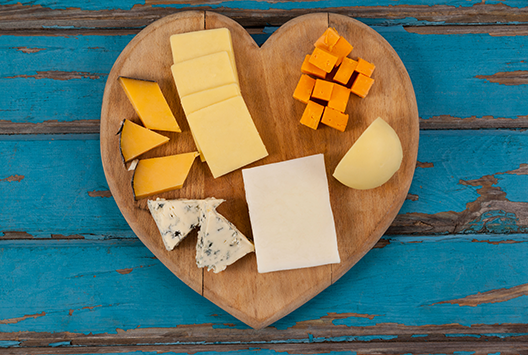
As one of the most beloved and versatile dairy products, cheese has been a staple in many people's diets for centuries. However, for those with heart diseases, the question of whether cheese is safe to consume remains a concern. This article will explore the relationship between cheese and heart disease and provide insights into whether cheese should be included in a heart-healthy diet.Understanding heart diseaseThe term heart disease may refer to various conditions that affect the heart, including heart failure, coronary artery disease, arrhythmia, and valve disease. These conditions can lead to complications such as heart attacks, strokes, and even death. According to the American Heart Association, heart disease is the leading cause of death in the United States, responsible for one in four deaths each year.The role of diet in heart diseaseDiet plays a crucial role in the development and management of heart disease. Unhealthy eating habits, such as consuming too many saturated and trans fats, sodium, and added sugars, can increase the risk of heart disease. On the other hand, a heart-healthy diet that includes fruits, vegetables, whole grains, lean proteins, and healthy fats can reduce the risk of heart disease and improve overall heart health.Cheese and heart disease: What the experts sayCheese is a rich source of calcium, protein, and vitamins, making it a popular food choice for many. However, cheese is also high in saturated fat, which has been linked to an increased risk of heart disease. The American Heart Association recommends that people limit their intake of saturated fat to less than 6% of total daily calories to reduce the risk of heart disease.A study published in the journal Nutrition, Metabolism, and Cardiovascular Diseases found that consuming high amounts of cheese was associated with an increased risk of cardiovascular disease. The study followed 36,000 participants over ten years and found that those who consumed the most cheese had a 14% higher risk of developing heart disease than those who consumed the least.However, not all studies have found a link between cheese consumption and heart disease. A meta-analysis of 29 studies published in the European Journal of Epidemiology found that cheese consumption was not associated with an increased risk of heart disease or stroke. The researchers noted that some types of cheese, such as hard cheese, may even have a protective effect against heart disease.Moderation is keyWhen it comes to cheese and heart disease, moderation is key. While some studies have found a link between high cheese consumption and an increased risk of heart disease, other studies have found no association or even a protective effect. The type of cheese, serving size, and overall diet are all factors that can impact the relationship between cheese and heart disease.As mentioned before, you may need to limit your intake of saturated fat to less than 6% of total daily calories. This can be achieved by choosing lower-fat cheese options, such as reduced-fat or fat-free cheese, and by consuming cheese in moderation. The recommended serving size for cheese is one ounce, which is about the size of a pair of dice.Incorporating cheese into a heart-healthy dietIncorporating cheese into a heart-healthy diet is possible for those with heart disease or those looking to reduce their risk. Choosing lower-fat cheese options, such as reduced-fat or fat-free cheese, can help reduce saturated fat intake. Pairing cheese with fruits, vegetables, and whole grains can also help balance the overall nutrient profile of a meal.Some types of cheese may even provide health benefits. For example, cheese made from grass-fed cows may contain higher levels of omega-3 fatty acids, which have been linked to a reduced risk of heart disease. Cheese made from goat or sheep milk may also be a good alternative for those who are lactose intolerant or sensitive to cow's milk.Buying high-quality cheese While cheese can be a delicious and nutritious addition to a well-balanced diet, those with heart disease or at risk of heart disease should consume cheese in moderation. Choosing lower-fat cheese options and pairing cheese with fruits, vegetables, and whole grains can help reduce saturated fat intake and provide a more balanced nutrient profile. By incorporating cheese into a heart-healthy diet, individuals can continue enjoying this beloved dairy product while promoting overall heart health.If you are looking for the best cheese for your diet, look no further than our healthy selections here at Baladna. We are 100% Qatari, and we have one of the largest cattle farms in the region, providing authentic, fresh and quality dairy products. Browse through our website for more!

Blog The Great Dairy Debate: Whole Milk vs Skim Milk
10 September, 2026

The Great Dairy Debate: Whole Milk vs Skim Milk

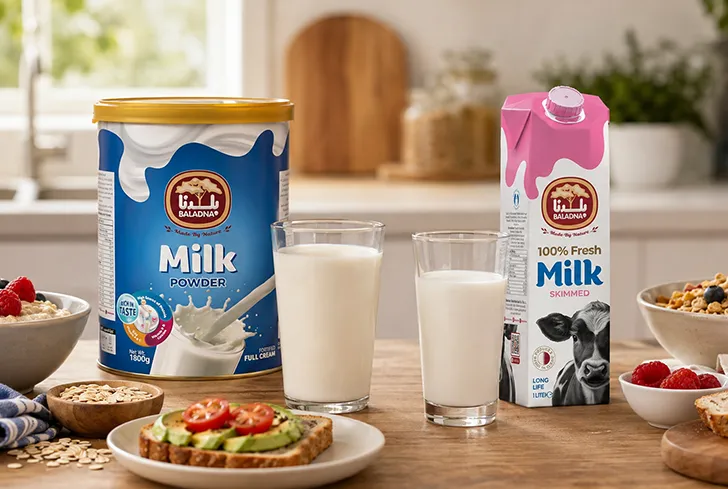
Milk is a highly popular and nutritious dairy product across the globe. It is filled with vital nutrients such as calcium, protein, and vitamins, which play a crucial role in our growing and developing bodies.If you buy milk, you would know the dilemma between choosing whole milk and skim milk. These two are the most common milk products and have been competing for the title of the "healthier choice" for quite some time. Today, we will discuss the distinctions between the two and determine which one is the healthier option.What is whole milk? Whole milk is milk that contains all of its natural fat. It is also known as full-fat milk and is typically sold in gallon or half-gallon containers. Its smooth consistency and delicious taste make it a favorite addition to beverages like coffee and tea. A single cup of whole milk provides around 150 calories and 8 grams of fat.What is skim milk?Skim milk, on the other hand, has had all of its fat removed. It is also known as fat-free milk and has a watery texture and a less creamy flavor compared to whole milk. One cup of skim milk contains approximately 90 calories and 0 grams of fat.The difference between whole milk and skim milkThe primary difference between the two is the fat content. Whole milk contains all of its natural fat, while the latter has had all of its fat removed. As a result, whole milk is richer in flavor and has a creamier texture than skim milk. Another difference between the two is the calorie content. Whole milk contains more calories compared to skim milk because of its high fat content. Around 150 calories are found in a cup of whole milk, while a cup of the latter has roughly 90 calories. This makes skim milk a better option for those who are watching their calorie intake.Which is healthier?When it comes to milk products, the question of which one is healthier is a topic of debate. Some people believe that whole milk is healthier because it contains more natural fat, which can help with satiety and weight management. Others believe skim milk is healthier because it has less fat and fewer calories.In reality, both milk products can be part of a healthy diet. However, the choice between the two depends on your individual health needs and preferences.Whole milk provides essential nutrients like calcium and vitamin D that contribute to strong bones and teeth. It also has natural fats that aid in feeling full and managing weight. However, its calorie content may pose a problem for individuals trying to shed pounds or sustain a healthy weight.Meanwhile, skim milk is lower in calories and fat, making it a good option for those who are trying to lose weight or maintain a healthy weight. It is also a good source of protein, calcium, and vitamin D. However, it can be less satisfying than whole milk due to the lack of natural fat.The takeaway The choice between whole milk and skim milk comes down to personal preferences and health needs. Both milk products are nutritious and provide essential nutrients like calcium, protein, and vitamins. If you want to shed some pounds or sustain a healthy weight, opting for skim milk might be more suitable. However, if you want a creamier consistency and a more robust taste, whole milk could be for you.Looking for authentic, fresh, and quality milk products? Look no further than Baladna! As one of the largest cattle farms in the region, Baladna delivers 100% Qatari dairy products that are second to none. So why wait? Get your Baladna milk products today and experience the difference for yourself!

Blog All You Need To Know About Cheddar Cheese: Our Guide
16 August, 2024

All You Need To Know About Cheddar Cheese: Our Guide

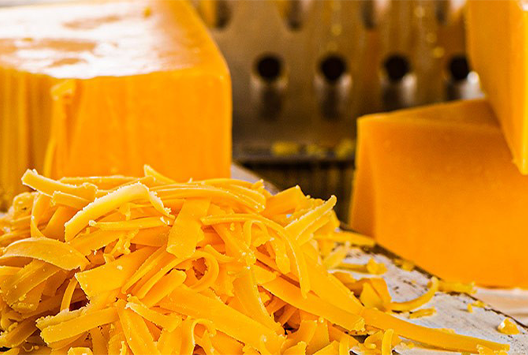
Cheddar cheese is a favorite among many, thanks to its sharp, tangy flavor and creamy, crumbly texture. This cheese has a long history, with its origins going back to the 12th century in England. It is made from cow's milk and comes in various colors — from white, yellow, and orange, to red and even black.Cheddar cheese is an essential ingredient in many dishes and adds flavor and texture to various recipes. This guide will explore everything you need to know about cheddar cheese — from its history and production process to the different types and uses.Where does cheddar cheese come from? Before dairy and beverage companies made it in bulk, cheddar cheese originated in the English village of Cheddar, located in Somerset, in the 12th century. Local cheese makers made cheddar cheese from local sheep's milk, which they kept for their wool. They stored the cheese in caves, which were naturally cool and moist, and the aging process gave the cheese its unique flavor. Over the years, cheddar cheese spread throughout England and beyond. Then, in the 19th century, it was exported to America. Today, cheddar cheese is produced worldwide, including in North America, Australia, and New Zealand. It has become one of the most widely-used cheeses in the world and is the star of many dishes such as macaroni and cheese and burgers.What are the different kinds of cheddar cheese? There are many kinds of cheddar cheese that differ in color, preparation, and flavor. Here are eight of the most common types of cheddar cheese manufactured by dairy and beverage companies today.1. Mild Cheddar: Mild cheddar is a pale yellow, semi-soft cheese with a mild and creamy flavor. It is aged for a short period, usually two to three months. It is ideal for grilled cheese sandwiches (or other wraps as well), salads, nachos, and quesadillas. 2. Medium Cheddar: Medium cheddar is a pale yellow cheese with a slightly sharp flavor. It is aged for four to six months. It is excellent for grating on portions of pasta, pizzas, and salads. 3. Sharp Cheddar: Sharp cheddar is a pale yellow cheese with a sharper flavor. It is aged for six to nine months and is a great option for cheeseburgers, baked potato dishes, cheesy dips, creamy soups, and vegetable casseroles. 4. Extra Sharp Cheddar: Extra sharp cheddar is a pale yellow cheese with a strong and sharp flavor. It is aged for 9-12 months and is excellent for grating on pasta, pizzas, and salads. It’s also great in quiches and savory tarts. 5. Smoked Cheddar: Smoked cheddar is a pale yellow cheese with a smoky flavor. It is aged for 6-9 months and is excellent for adding a smoky flavor to salads, soups, baked potatoes, and charcuterie boards.6. Aged Cheddar: Aged cheddar is a pale yellow cheese with a strong, sharp flavor. It is aged 12-18 months and is excellent for people who prefer a sharper taste in their dishes. It is ideal for gourmet cheese and crackers platters, cheddar and broccoli casserole, and many other dishes.7. White Cheddar: White cheddar is a white cheese with a mild, creamy flavor. It is aged two to three months and is excellent for sandwiches, salads, and snacks. It’s also ideal for pasta dishes and mashed potatoes. 8. Colby Cheddar: Colby cheddar is a pale yellow, semi-soft cheese with a mild, creamy flavor. It is aged two to three months and is excellent for sandwiches, wraps, quesadillas, omelets, quiches, and gratin recipes.  Cheddar never disappoints Cheddar is a cheese that is sure to please any palate. If you’re looking for a trusted dairy source in Qatar, Baladna is here for you. Baladna is a dairy and beverage company in Qatar that provides authentic, fresh, and high-quality dairy products. We produce our cheese from the milk we harvest from our own cattle farm to ensure uniform taste and quality in our offerings. Contact us to learn more.