Blog End the Day With a Little Ritual
26 August, 2025

End the Day With a Little Ritual

After school, make time for something small together: a snack, a chat, or simply sitting down for a few minutes. It helps kids transition from school mode to home mode.


More Articles

Blog 10 Surprising Effects of Eating Sour Cream
14 May, 2024

10 Surprising Effects of Eating Sour Cream

Eating sour cream may not be the first thing that comes to mind when you think of healthy foods, but it has some surprising benefits.Sour cream is a dairy product made from cream that has been fermented with lactic acid-producing bacteria. It is a popular condiment in many dishes, especially in Mexican and Central American cuisine. Not only is it a tasty addition to your meals, but it also has a range of positive effects on your health. Here are 10 of them:1. Improved Digestion: Sour cream contains probiotics, which are beneficial bacteria that help maintain a healthy digestive system. Probiotics help break down food more efficiently and reduce bloating and stomach discomfort. They also help balance the bacteria in your gut and promote good digestion as well as reduce symptoms of irritable bowel syndrome (IBS).2. Enhanced Immunity: Sour cream contains lactic acid bacteria, which can help boost your immune system. These bacteria help fight off infection and disease, keeping you healthy and strong.3. Better Nutrient Absorption: Sour cream is rich in fat-soluble vitamins such as A, D, E, and K. These vitamins are essential for good health, and they can be more easily absorbed by the body when consumed with fatty foods such as sour cream.4. Reduced Risk of Heart Disease: Sour cream is low in cholesterol and saturated fat, and high in monounsaturated fat, which can help reduce your risk of heart disease. Additionally, it contains conjugated linoleic acid (CLA), which has been shown to reduce the risk of stroke and other cardiovascular diseases.5. Improved Bone Health: Sour cream is a good source of calcium and vitamin D, both of which are essential for strong and healthy bones. Additionally, it contains phosphorus which helps maintain the structure and strength of bones.6. Improved Weight: Sour cream can help keep you feeling fuller for longer, which is great if you’re looking to maintain a healthy weight. Additionally, it is low in calories and contains conjugated linoleic acid (CLA), which has been shown to help reduce body fat and increase lean muscle mass.7. Better Skin: Sour cream is rich in lactic acid, which helps promote healthy skin by exfoliating dead skin cells and promoting cell renewal. Additionally, it can help reduce wrinkles and fine lines, keeping your skin looking youthful and vibrant.8. Improved Brain Health: Eating sour cream can help keep your brain healthy. It is a good source of Omega-3 fatty acids, which have been shown to improve cognitive function and reduce the risk of Alzheimer’s disease.9. Improved Vision: Sour cream is also rich in vitamin A, which helps protect your eyes from age-related vision problems.10. Improved Blood Sugar Control: Sour cream is a good source of protein, which can help regulate blood sugar levels. This can be beneficial for people with diabetes.Sour cream is certainly a tasty and healthy addition to your mealsIt's clear that sour cream is both a delicious and nutritious addition to your diet. Whether you're looking for a creamy topping for tacos or a tangy twist to your favorite pasta dish, sour cream is an ideal option. Not only is it packed with vitamins and minerals, but it can also help promote healthy gut bacteria, reduce inflammation, and even improve your skin. So go ahead and enjoy all the zesty, creamy goodness that sour cream has to offer. Your taste buds and your health will thank you!Are you looking for premium dairy products? Then Baladna is your best option! We provide our customers with a wide selection of delicious, high-quality dairy products that are perfect for any meal. From creamy sour cream and Greek yogurt to feta and halloumi cheeses, we provide our customers with the freshest and most nutritious dairy products available. All of our products are sourced from local farms, ensuring that they are of the highest quality. Check out our list of dairy products today! 

Blog Greek Yoghurt: Why Is It Good For You? - Part 4
14 May, 2024

Greek Yoghurt: Why Is It Good For You? - Part 4

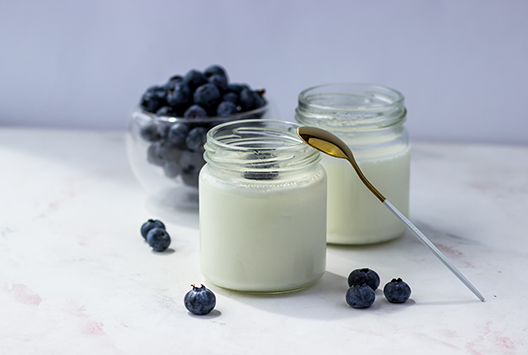
Known for its multitude of health advantages, Greek yoghurt has gained significant popularity in recent years. In our previous posts, we highlighted some of these benefits. Now you might be wondering how you can incorporate Greek yoghurt into your diet. Here are some recommendations:Different ways to enjoy Greek yoghurtGreek yoghurt is a delicious and nutritious dairy product that can be used in a variety of different recipes — from breakfast to dessert. Are you ready to explore the different ways you can enjoy Greek yoghurt? Let’s go: 1. For breakfastGreek yoghurt is a great breakfast option, as it is rich in protein, low in calories and carbohydrates, and packed with calcium. One of the most popular ways to enjoy Greek yoghurt for breakfast is to combine it with fresh fruit and granola. You can also add honey, nuts, or seeds to your yoghurt bowl for added flavor and nutrition.2. As a snackGreek yoghurt makes for a perfect snack option, as it is rich in protein and can keep you full for longer periods. You can add a dollop of Greek yoghurt to your fruit or vegetable snacks, or use it as a dip for your crackers or chips. Greek yoghurt can also be used as a base for dips and spreads, such as tzatziki, which is a popular Greek dip made with Greek yoghurt, cucumber, garlic, and herbs.3. In a salad dressingGreek yoghurt can be used as a healthier alternative to traditional salad dressings, which are often high in calories and unhealthy fats. To make a simple Greek yoghurt dressing, mix Greek yoghurt with lemon juice, olive oil, and your favorite herbs and seasonings. This dressing is perfect for green, pasta, and vegetable salads.4. As a marinadeGreek yoghurt can be used as a marinade for meat, fish, and vegetables. The lactic acid in Greek yoghurt helps tenderize the meat and infuse it with flavor. To make a Greek yoghurt marinade, mix it with your favorite herbs and spices, such as garlic, cumin, and paprika. Marinate your meat, fish, or vegetables for at least an hour before cooking for the best results. 5. As a dessertGreek yoghurt is a delicious and healthy alternative to traditional desserts, which are often high in sugar and unhealthy fats. You can use Greek yoghurt as a base for healthy desserts, such as fruit parfaits, smoothie bowls, and frozen yoghurt. To make a simple fruit parfait, layer Greek yoghurt with fresh fruit and granola in a glass. For a frozen yoghurt dessert, mix Greek yoghurt with frozen berries and honey, and freeze for a few hours before serving.You can never go wrong with Greek yoghurt After reading the above, we hope we’ve inspired you to get creative with your Greek yoghurt. And as a side note, always make sure to get your yoghurt from a trusted source. At Baladna, we believe in delivering the best and freshest dairy products. We are proud to offer a wide range of dairy products that are 100% authentic, fresh, and high-quality. Our farm is dedicated to providing our customers with the best dairy experience, from our farm to your table. Try Baladna’s Greek yoghurt today! 

Blog Is Mozzarella Cheese Healthy? We’ve Got Your Answer
13 May, 2024

Is Mozzarella Cheese Healthy? We’ve Got Your Answer

Mozzarella cheese is a type of cheese that is popular in Italian cuisine. It is made from cow's milk and is one of the most popular cheeses used in pizza, lasagna, and other Italian dishes. Many people are curious if mozzarella cheese is a healthy food choice, and the answer is that it can be! Let's learn more about this:It's a good source of proteinMozzarella is a great source of protein, providing 8 grams per one-ounce serving. This makes it a great choice for people looking to increase their protein intake. Protein plays an important role in building and maintaining muscle, and it's also essential for healthy skin, bones, and organs. Eating mozzarella can help you meet your protein needs without having to rely on other animal proteins such as beef or chicken.It's a good source of many essential minerals Mozzarella is rich in essential minerals like calcium, magnesium, and phosphorus. Calcium, crucial for strong teeth and bones, prevents decay and gum disease. Selenium in mozzarella protects cells, reduces inflammation, and supports the immune system, benefiting cognitive function. Additionally, the cheese boasts high Vitamin A content, promoting healthy eyes, skin, teeth, and gums, while aiding in new bone cell growth.It has less sodium than most other cheeses One of the most significant benefits of mozzarella cheese is that it has less sodium than most other cheeses. Sodium is an important mineral that helps regulate blood pressure, as well as fluid balance in the body. When consumed in excess, it can lead to a number of health problems, including hypertension and stroke. By choosing a low-sodium cheese like mozzarella, you can rest assured that you won’t be overloading your body with sodium.It's lower in saturated fatSaturated fats are types of fats that can raise cholesterol levels in the body and increase the risk of heart disease. However, mozzarella has a significantly lower amount of saturated fat than other cheeses. A single serving of regular mozzarella cheese (about 1.5 ounces) contains just 3.5 grams of saturated fat, compared to 7.5 grams in a serving of cheddar cheese. This makes mozzarella an excellent choice for those who need to watch their saturated fat intake.How much mozzarella should you eat in a day? If you’re looking to add some extra flavor and nutrition to your diet, mozzarella cheese is a great choice. But how much mozzarella should you eat each day?The answer really depends on your individual health needs and goals. For most healthy adults, the recommended daily intake of cheese is around 1.5 ounces. This amount provides a good balance between the health benefits of cheese and the potential risks associated with too much cheese.When it comes to mozzarella cheese specifically, 1.5 ounces is a good guideline. This amount provides around 100 calories, 7 grams of protein, and 6 grams of fat. It’s also a great source of calcium, phosphorus, and vitamin B12.If you’re looking for a little extra flavor and nutrition, you could add a few slices of mozzarella to your salads, sandwiches, or pizzas. You could also use mozzarella cheese to make delicious homemade pizzas, calzones, and even grilled cheese sandwiches.For those who are trying to lose weight, it’s important to keep in mind that cheese can be high in calories and fat. So if you’re trying to cut back on calories, you may want to limit your portion sizes.Say mozzarella!Mozzarella cheese can be considered a healthy food option when eaten in moderation. It is a good source of protein, calcium, and phosphorus, and is lower in fat and sodium than many other cheese varieties. That said, it is important to remember that consuming too much of any food, even one as healthy as mozzarella, can lead to weight gain and other health issues. It's also vital that you get your mozzarella cheese from a trusted dairy and beverage company like Baladna.Baladna cheese, including mozzarella, is fresh and high quality. Baladna is among the biggest cattle farms with about 24000 cows that are kept in a well-conditioned environment to ensure only the best dairy products. Try Baladna mozzarella cheese and other products today!

Blog Understanding How Long Cheese Can Stay Out of the Fridge
27 October, 2024

Understanding How Long Cheese Can Stay Out of the Fridge

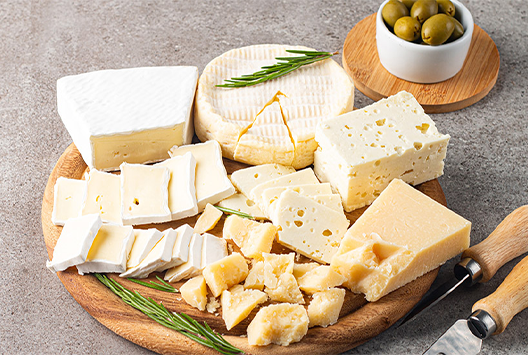
Cheese is a versatile and delicious ingredient that finds its way into various dishes. It is a staple in many households — from gourmet cuisine to late-night snacks. However, storing cheese properly ensures it remains fresh and tasty. One common question arises: how long can cheese stay out of the refrigerator? We’ve put together a quick guide that will help you understand the factors that affect the shelf life of cheese and how long it can be kept out of the fridge.Factors affecting the shelf life of cheese Several factors can influence how long cheese can stay out of the refrigerator. These factors include the type of cheese, the environment's temperature, and the humidity levels.1. Type of cheeseThere are hundreds of different types of cheese, and they all have other properties that affect their shelf life. For instance, hard cheeses like cheddar cheese, gouda, and parmesan can stay out of the fridge longer than soft cheeses like brie, camembert, and blue cheese. This is because hard cheeses have a lower moisture content, making them less susceptible to bacterial growth.2. TemperatureThe environment's temperature plays a crucial role in how long cheese can stay out of the refrigerator. The warmer the temperature, the quicker bacteria will grow and spoil the cheese. The perfect temperature for storing cheese is between 35°F and 45°F (1.6°C and 7.2°C). However, most cheeses can be safely left out at room temperature (around 70°F or 21°C) for a short period.3. HumidityHumidity is another factor that affects how long cheese can stay out of the fridge. High humidity levels can cause the cheese to spoil faster due to increased microbial growth. On the other hand, low humidity levels can make the cheese dry out and lose its flavor.How long can different types of cheese stay out of the fridge? Now that we know the factors that affect the shelf life of cheese, let's look at how long different types of cheese can stay out of the refrigerator.1. Hard cheesesAs mentioned earlier, hard cheeses like cheddar, gouda, and parmesan have a lower moisture content, making them less susceptible to bacterial growth. These cheeses can generally be left out at room temperature for up to 8 hours. However, consuming them within 4 hours is best to ensure the best flavor and quality.2. Semi-hard cheesesSemi-hard cheeses like provolone, swiss, and Monterey Jack can be left at room temperature for up to 4 hours. After this time, the risk of bacterial growth increases, and the cheese should be refrigerated.3. Soft cheesesSoft cheeses like brie, camembert, and blue cheese are more perishable and should not be kept outside of the fridge for more than 2 hours. This is because their high moisture content makes them more susceptible to bacterial growth.4. Fresh cheesesFresh cheeses like mozzarella, ricotta, and cottage cheese are the most perishable and should never be left out of the fridge for more than 1 hour. These cheeses have a very high moisture content, making them a breeding ground for bacteria.Tips for storing cheese properlyTo ensure your cheese stays fresh and delicious, follow these storage tips:1. Wrap the cheese in wax or parchment paper instead of plastic wrap. This allows the cheese to breathe and prevents it from becoming too damp.2. Store cheese in a designated cheese drawer or container in the refrigerator. This helps maintain a consistent temperature and humidity level.3. If you're storing multiple types of cheese, keep them separated to prevent cross-contamination and flavor transfer.4. Don't store cheese next to strongly flavored foods like onions or garlic, as it can absorb their flavors.5. When serving cheese at a party or gathering, only put out small portions at a time. This helps prevent the cheese from sitting out too long and becoming unsafe.Get your cheese todayBy understanding the factors that affect the shelf life of cheese and following the above storage tips, you can ensure that your cheese stays fresh and tasty for as long as possible. Whether enjoying a simple cheese platter or incorporating cheese into your favorite recipes, proper storage and handling will help you maximize your cheese experience and minimize waste. If you’re looking for some high-quality cheese, Baladna is here for you. Our range of authentic, fresh, and quality dairy products reflects our dedication to animal welfare and sustainability. To see our variety of locally-produced options, check out our products today and see our ongoing efforts to create a more sustainable and self-reliant future in food production.