Latest Articles

Fat-Free vs. Full-Fat Milk: Which is the Better Option?
Milk is a highly favored drink across the globe. You can drink it straight, pour it over cereals, or add it to various dishes, providing a healthy addition to your meals.There are numerous types of milk available in the market, making it difficult to know which one to choose. Two of the most common options include fat-free milk and whole milk. So how about we explore the nutritional differences between these two varieties to help you decide which one is right for you? What is fat-free milk?Fat-free milk is exactly what it sounds like — milk that has had all of its fat removed. This process is typically achieved through a machine called a centrifuge, which separates the fat from the milk. The resulting product is a virtually fat-free drink, with less than 0.5% fat content.What is whole milk?Whole milk, also called full-fat milk, is milk that has not had any fat removed. It typically contains around 3.5% fat, although this can vary slightly depending on the brand and the cow's diet.Nutritional DifferencesNow that we know what fat-free milk and whole milk are, let's take a look at the nutritional differences between the two.1. CaloriesWhen it comes to calories, fat-free milk is the clear winner. One cup contains just 83 calories, while a cup of the latter contains 149 calories. If you're trying to lose weight or maintain a healthy weight, opting for fat-free milk instead of whole milk can be a simple method to reduce calorie intake while still enjoying the flavor. While fat-free milk has the advantage in terms of calories, it's important to note that there are some benefits to drinking whole milk as well. These benefits include:- Improved vitamin absorption: Many of the vitamins found in milk, such as vitamins A and D, are fat-soluble. This means they are better absorbed by the body when consumed with fat. Drinking whole milk can help ensure your body gets the most out of these important nutrients.- Increased satiety: Fat is a nutrient that helps you feel full and satisfied after a meal. If you're drinking fat-free milk and find that you're still hungry after finishing your glass, switching to a full-fat one may help you feel more satiated.- Better taste: Let's be honest: full-fat milk just tastes better than fat-free ones. The fat in whole milk gives it a creamy, rich flavor that is hard to replicate in fat-free milk. If you're someone who really enjoys the taste of milk, it may be worth choosing whole milk over fat-free milk simply for the flavor.2. ProteinBoth fat-free milk and whole milk are excellent sources of protein, with around 8 grams of protein per cup. Protein is an essential nutrient that helps build and repair tissue in the body, making it an important part of any healthy diet.3. CalciumCalcium is another important nutrient found in both fat-free milk and whole milk. A cup of fat-free milk contains around 300 milligrams of calcium, while a cup of whole milk contains slightly less, at around 276 milligrams. Calcium is essential for strong bones and teeth, making milk an important part of any bone-healthy diet.So, what’s your choice? Which is better: fat-free milk or whole milk? The answer, as with most things, is that it depends on your individual needs and preferences. If you're looking to cut calories or reduce your fat intake, fat-free milk is a great option. However, if you enjoy the taste of milk and want to take advantage of the full-fat milk benefits, whole milk may be the way to go. Whatever you choose, incorporating milk into your diet is an easy way to ensure that you're getting important nutrients like protein and calcium.Upgrade your dairy game with Baladna's 100% Qatari and high-quality milk products. As one of the largest cattle farms in the region, we guarantee authenticity and freshness in every sip. Get your hands on Baladna milk products today and experience the difference.
Recent Articles

Say Cheese: How To Keep Your Cheese At Its Best
Picture this: you walk into your local cheese counter, eyes filled with wonder at the diversity. Excitedly, you bring your treasures home, only to forget about them in the depths of your fridge for weeks. When you finally remember your cheese, you're greeted with fuzzy mold patches. We know what a disappointment that can be and that’s why we’ve put together this article, revealing the secrets behind cheese preservation. Ready to dive into the fascinating world of cheese and uncover the best ways to keep it fresh and delicious? Cracking the cheese code: Understanding cheese typesAre you familiar with the cheese classification types? There are two key factors to consider: moisture content and the ripening process. The level of moisture in cheese influences its overall consistency and mouthfeel. Cheese can be soft, semi-hard, or hard, depending on its moisture levels. Soft cheeses like Feta, Brie and Gorgonzola are characterized by their creamy, spreadable texture, due to their high moisture content. Then you have Gouda, Provolone, and Muenster which fall under the semi-hard category. These cheeses are more balanced and versatile. Lastly, Aged Cheddar and Parmesan proudly claim their place among the hard cheeses. These types of cheeses have a very low moisture content. In addition to moisture levels, the ripening process also plays a role, with unripened, mold-ripened, and bacteria-ripened cheeses taking center stage. Unripened cheeses, also called fresh cheeses, skip the aging process and offer a delicate and creamy texture and flavor. Mold-ripened cheeses - such as Brie and Camembert - undergo a process where the mold culture transforms the texture and taste. Bacteria-ripened cheeses - such as Muenster - boast complex and robust flavors. Unveiling the mystery of cheese spoilageCheese has a life of its own, and understanding its timeline is crucial. First, let's decode the difference between a "best if used by/before" date and an "expiration" date. The USDA sets the record straight: the former indicates peak flavor, not safety. So don't despair if you spot your cheese past its "best by" date. Spoilage, however, is a different story altogether. When cheese goes bad, it's either way overripened and flavorless, or it can make you ill. But here's a cheesy secret: mold isn't always a villain. Hard and semi-hard cheeses like Cheddar, Gouda, and Parmesan can be rescued by cutting off at least an inch around and below the moldy spot. Remember, mold doesn't penetrate these resilient cheeses. Moldy soft cheeses, though? Beware! New mold on soft cheeses is a no-no. Say goodbye to black and pink patches — they're a sign that something has gone very wrong. Stick to the white mold on your soft cheeses and avoid any unexpected surprises.The art of cheesy longevity: How long does cheese last?Now let's talk about cheese lifespan. Soft cheeses, including washed-rind and bloomy-rind varieties, last about seven to ten days, depending on their ripeness when you bring them home. Firmer cheeses, such as aged Parmesan and Gouda, can survive for months, showcasing their impressive endurance. However, cheeses like Havarti and Cheddar typically last a few weeks. Keep an eye on blue cheeses—they can last up to two weeks, but beware as the "bluing" process continues. Remember, these are general guidelines. Each cheese has its quirks, so treat them with the respect they deserve.The magic of cheese scraps Instead of tossing leftover cheese or ignoring its existence in your fridge, make use of it in the kitchen! Use leftover cheese in mac and cheese or risotto for an extra dose of richness. And for those toast aficionados, smear-ripened cheeses on hot bread with a dollop of jam. It's a heavenly combination you will enjoy. It’s a wrap! Cheese, with all its delectable variations, deserves our utmost care. By understanding cheese types, recognizing spoilage signs, and mastering storage techniques, we can extend the life of our cheeses and prevent unnecessary waste. While preserving cheese is essential, savoring it is the ultimate goal. So go forth, enjoy your cheese, and let the magic unfold! If you're a cheese lover who values authenticity, freshness, and quality, then you should definitely try Baladna cheese! As a 100% Qatari brand, Baladna takes pride in providing dairy products that are not only delicious but also ethically produced. With one of the largest cattle farms in the region, spanning over an area of 2.6 million sqm and a capacity to house up to 24,000 cows, Baladna ensures that its cows are kept in a comfortable and well-conditioned environment, allowing them to reach their production capacity comfortably. So, if you want to experience the taste of fresh and authentic dairy products, try Baladna today!
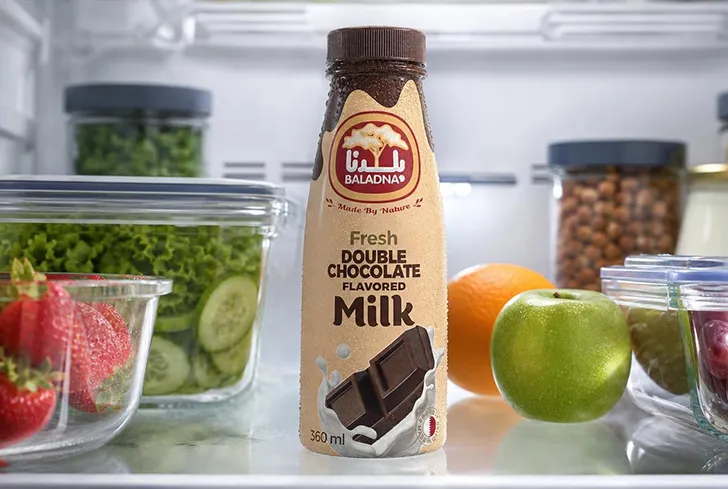
How To Keep Your Favorite Chocolate Milk From Going Bad
Regardless of where you are, everyone loves a tall glass of cold chocolate milk on a hot summer day. For some, this refreshing drink may remind them of their nostalgic childhood. But have you ever smelled or tasted a whiff of sour chocolate milk and felt disappointed about it? While feeling upset about your spoiled chocolate milk is understandable, you must know why it happens and how to prevent it from going rancid. This article will explain the lifespan of chocolate milk and what you can do to extend its shelf life. How long will chocolate milk last after the sale date?While expired chocolate milk can last for about a week, it loses its nutritional value when the sugar converts into lactic acid. You can drink chocolate milk about a week after the sell-by date if you refrigerate it below 40°F.Having said that, drinking spoiled milk can cause foul odors and food poisoning, so you should avoid it at all times. You can detect bad chocolate milk by its sour taste, off-color, and thick or clumpy texture. Why does chocolate milk spoil faster?People create this chocolaty beverage by combining milk and chocolate. If the chocolate used in making the milk has gone rancid, it can cause the drink to spoil quicker. You should never use expired milk to create other dairy products like cheese, sour cream, or yoghurt because it will have a rotten smell and taste and will not be safe to consume.How long will it take for chocolate milk to spoil?While this beverage will spoil in two to four hours if you store it above 40°F, it can last five days to a week if you keep it properly in the fridge. You must refrigerate fresh milk immediately to prevent harmful bacteria growth and absorption of odors or flavors from the environment. Also, opened milk products spoil faster, so you should use them quickly to avoid cost and food waste.How long can you let chocolate milk sit out?While chocolate milk can last longer at room temperature than regular milk, health professionals and food experts recommend refrigerating it to prevent spoilage. Never leave dairy products or other refrigerated foods outside the fridge for more than two hours.How long is chocolate milk good after opening? You must refrigerate your chocolate beverage and consume it within a week to ten days after opening. It will spoil if it goes unrefrigerated for more than two hours, and bacterial growth is faster between 40°F and 140°F. Also, check the appearance, texture, aroma, and taste before consuming. If it smells terrible, it most likely needs to be tossed out. How to keep chocolate milk from spoiling?Storing chocolate milk in the fridge prevents it from going rancid. Refrigeration slows down fermentation and prevents bacterial growth. If you keep it properly, you can still safely consume the drink after two weeks. The stabilizers in chocolate milk, like carrageenan and guar gum, make it less likely to spoil. Is chocolate milk nutritious? Chocolate milk has many beneficial nutrients like calcium, vitamin D, and protein. However, children under 12 shouldn't drink it because of its caffeine content. Nobody deserves bad milk Nobody deserves to drink spoiled chocolate milk because it can ruin one’s day and cause stomach problems. You can prevent it from spoiling by buying from reputable brands and storing and refrigerating it properly. If you are looking for the best chocolate milk for a hot day, visit Baladna! We provide people in Qatar with authentic and fresh dairy products. Shop your favorite products today by visiting our website.
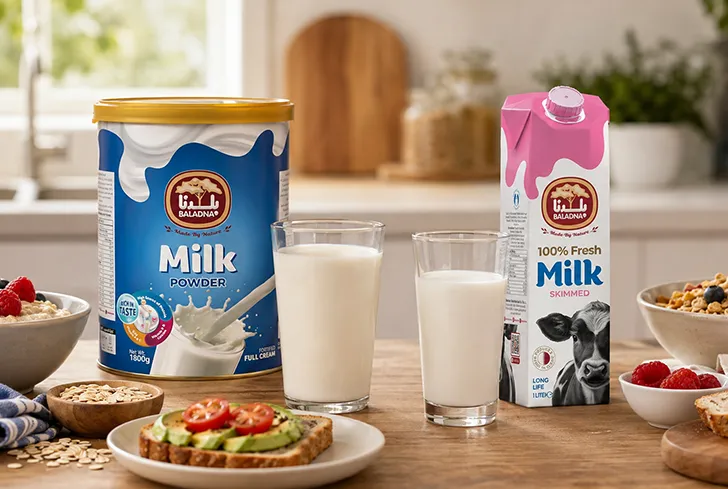
The Great Dairy Debate: Whole Milk vs Skim Milk
Milk is a highly popular and nutritious dairy product across the globe. It is filled with vital nutrients such as calcium, protein, and vitamins, which play a crucial role in our growing and developing bodies.If you buy milk, you would know the dilemma between choosing whole milk and skim milk. These two are the most common milk products and have been competing for the title of the "healthier choice" for quite some time. Today, we will discuss the distinctions between the two and determine which one is the healthier option.What is whole milk? Whole milk is milk that contains all of its natural fat. It is also known as full-fat milk and is typically sold in gallon or half-gallon containers. Its smooth consistency and delicious taste make it a favorite addition to beverages like coffee and tea. A single cup of whole milk provides around 150 calories and 8 grams of fat.What is skim milk?Skim milk, on the other hand, has had all of its fat removed. It is also known as fat-free milk and has a watery texture and a less creamy flavor compared to whole milk. One cup of skim milk contains approximately 90 calories and 0 grams of fat.The difference between whole milk and skim milkThe primary difference between the two is the fat content. Whole milk contains all of its natural fat, while the latter has had all of its fat removed. As a result, whole milk is richer in flavor and has a creamier texture than skim milk. Another difference between the two is the calorie content. Whole milk contains more calories compared to skim milk because of its high fat content. Around 150 calories are found in a cup of whole milk, while a cup of the latter has roughly 90 calories. This makes skim milk a better option for those who are watching their calorie intake.Which is healthier?When it comes to milk products, the question of which one is healthier is a topic of debate. Some people believe that whole milk is healthier because it contains more natural fat, which can help with satiety and weight management. Others believe skim milk is healthier because it has less fat and fewer calories.In reality, both milk products can be part of a healthy diet. However, the choice between the two depends on your individual health needs and preferences.Whole milk provides essential nutrients like calcium and vitamin D that contribute to strong bones and teeth. It also has natural fats that aid in feeling full and managing weight. However, its calorie content may pose a problem for individuals trying to shed pounds or sustain a healthy weight.Meanwhile, skim milk is lower in calories and fat, making it a good option for those who are trying to lose weight or maintain a healthy weight. It is also a good source of protein, calcium, and vitamin D. However, it can be less satisfying than whole milk due to the lack of natural fat.The takeaway The choice between whole milk and skim milk comes down to personal preferences and health needs. Both milk products are nutritious and provide essential nutrients like calcium, protein, and vitamins. If you want to shed some pounds or sustain a healthy weight, opting for skim milk might be more suitable. However, if you want a creamier consistency and a more robust taste, whole milk could be for you.Looking for authentic, fresh, and quality milk products? Look no further than Baladna! As one of the largest cattle farms in the region, Baladna delivers 100% Qatari dairy products that are second to none. So why wait? Get your Baladna milk products today and experience the difference for yourself!
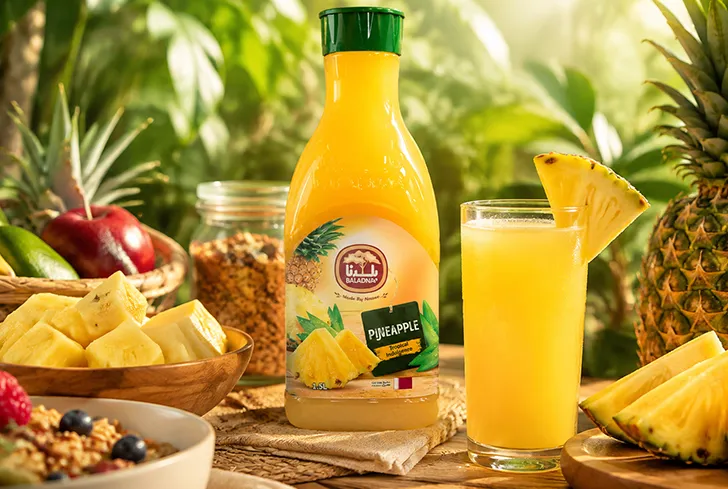
Power Hour: The Best Time To Drink Pineapple Juice
Pineapple juice is a delicious and refreshing drink that is enjoyed by people all over the world. It is made from the fruit of the pineapple plant, which is native to South America but is now grown in many parts of the world. But, did you know that pineapple juice is like a superhero drink packed with vitamins, minerals, and antioxidants? That's right! It's like having a powerful elixir that can provide numerous health benefits to your body and mind. In this article, we will take a closer look at the health benefits of pineapple juice. We’ll also explore the best time to drink it. Pineapple Juice: A look at calories and nutrition factsA 100 ml bottle of Baladna Pineapple Juice contains around 46.1 calories, which makes it a relatively low-calorie drink. It is also packed with vitamins and minerals. In fact, one cup of pineapple juice can help you achieve your recommended vitamin C intake. It is also a good source of vitamin B6, thiamin, and folate. Did you know that pineapple juice is also good for your heart health? It's true! This power drink is packed with potassium, which can help regulate blood pressure and promote a healthy heart. Plus, it's got a few other sidekicks like calcium, magnesium, and iron that can help keep your body strong and healthy. When is the best time to drink pineapple juice?There is no one right answer to this question. The ideal time to drink pineapple juice depends on your preferences and lifestyle. But, here are some guidelines to help you maximize the benefits of pineapple juice: In the morningDo you need help to get your day started? Grab a glass of pineapple juice and get ready to feel energized! Pineapple juice is the perfect way to kickstart your metabolism and give you a natural boost of energy. What’s more – it's packed with vitamin C, like a superhero that fights off bad guys (aka free radicals) and boosts your immune system. And get this, vitamin C also helps your body absorb iron, which is super important for keeping your blood cells healthy.But wait, there's even more! Drinking pineapple juice in the morning on an empty stomach can help your tummy too. It helps break down proteins, making you feel less bloated and more comfortable. So go ahead, pour yourself a glass of pineapple juice in the morning and get ready to take on the day!Before or after exerciseAre you seeking a secret weapon to take your workouts to the next level? Look no further than pineapple juice! This tasty drink can help improve your athletic performance and aid muscle recovery. Pineapple juice contains potassium, which works wonders for your muscles. It helps regulate fluid balance and prevents pesky muscle cramps from ruining your workout. It also provides a quick burst of energy, perfect for powering you up before a workout.But the magic of pineapple juice doesn't stop there. After a tough workout, drinking pineapple juice can help reduce inflammation and aid in muscle recovery. This is all thanks to the bromelain enzyme in pineapple. It helps fight off soreness in your muscles, so you can recover faster and get back to crushing your workouts.Before a mealDrinking pineapple juice before a healthy feast can help stimulate digestion and reduce your appetite. Pineapple juice is packed with fiber, which can help regulate your digestive system and promote feelings of fullness.Drinking pineapple juice before a meal can also help reduce cravings for unhealthy snacks and promote weight loss. The natural sugars in pineapple juice provide a quick energy boost, which can help curb cravings for sugary or fatty foods. Before bedAre you having trouble catching a proper good night's sleep? Well, pineapple juice will certainly help you drift off to dreamland. That is because pineapple contains an amino acid called tryptophan, which is like a sidekick to serotonin – the neurotransmitter that helps regulate mood and promote feelings of relaxation. This means no more tossing and turning as you try to get comfortable! But, if you're sensitive to acidic foods, you may want to skip this drink before bedtime.Go ahead and pour yourself a glass of pineapple juice! Are you looking for a fun and delicious way to boost your health? Well, look no further because Baladna Pineapple Juice is here to save the day! Get yourself some pineapple juice today; your taste buds and body will thank you!
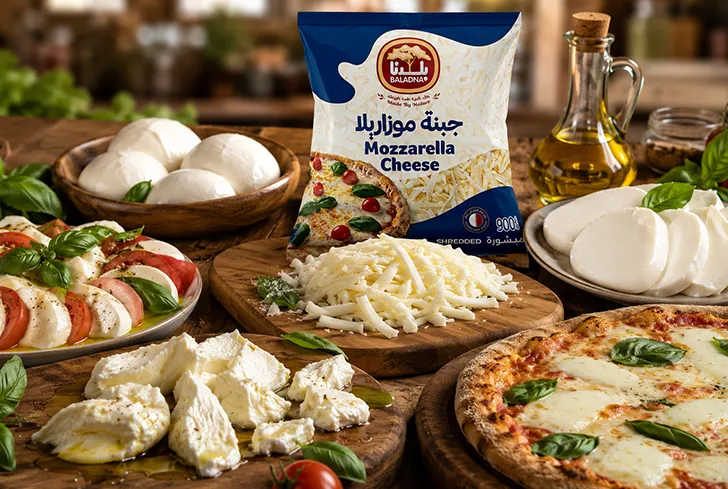
The Ultimate Guide to Enjoying Mozzarella in All Its Forms
Mozzarella, the creamy and delightful cheese that has captured people's hearts and taste buds worldwide, is more than just a topping on your pizza. This versatile cheese has a unique taste and texture that can be enjoyed in various forms, from the classic fresh mozzarella to the smoky scamorza. This guide will look at the different types of mozzarella, the best ways to enjoy them, and some delicious recipes to try at home. Types of mozzarella1. Fresh Mozzarella (Mozzarella di Bufala or Mozzarella Fresca)Hands down, fresh mozzarella is the queen of mozzarella cheese. This delicate and creamy cheese is made from the milk of water buffalos or cows and has a subtle, milky flavor and a soft, moist texture. It is typically packed in brine or whey to preserve its freshness and moisture content. Fresh mozzarella is best enjoyed at room temperature to appreciate its delicate flavor and texture fully.2. Fior di LatteFior di Latte is a fresh mozzarella made exclusively from cow's milk. "Fior di Latte" translates to "flower of milk," which perfectly describes this cheese's mild, creamy taste. It is often used as a more affordable substitute for Mozzarella di Bufala, as buffalo milk is more pricey and harder to come by.3. BurrataBurrata is the luxurious, cream-filled cousin of fresh mozzarella. It is made by forming a pouch of mozzarella cheese and filling it with fresh cream and strands of mozzarella, called stracciatella. The result is a rich, buttery cheese perfect for pairing with fresh tomatoes, basil, and a drizzle of olive oil.4. Smoked Mozzarella (Scamorza Affumicata)Smoked mozzarella, or scamorza affumicata, is a semi-hard cheese similar in texture to provolone. The cheese is smoked over wood chips, which imparts a subtle, smoky flavor that adds depth and complexity to dishes like pasta, risotto, and pizza. The firm texture of smoked mozzarella allows it to hold up well to heat, making it an excellent cheese for grilling or melting.5. BocconciniBocconcini, which translates to "little bites," are small, bite-sized balls of fresh mozzarella. They have an identical taste and texture to fresh mozzarella and are often used in salads, pasta dishes, and as a topping for bruschetta.Ways to enjoy mozzarellaAre you a fan of mozzarella, but don’t know how to incorporate it into your meals? Well, worry not! We’ve got you covered. Here are a few meals you can try:1. Caprese SaladA classic Italian dish, Caprese salad is a simple yet incredibly delicious way to enjoy fresh mozzarella. Simply layer slices of fresh mozzarella with fresh basil leaves, ripe tomatoes, and a drizzle of high-quality olive oil. Season with salt and freshly cracked black pepper to taste.2. Mozzarella en CarrozzaMozzarella en Carrozza, or "mozzarella in a carriage," is a mouthwatering Italian sandwich made by coating a mozzarella-filled sandwich in flour, egg, and breadcrumbs before frying it until golden and crispy. The result is a gooey, cheesy delight perfect for a decadent lunch or appetizer.3. Pizza MargheritaNothing beats a classic pizza margherita, topped with fresh mozzarella, tomato sauce, and fresh basil leaves. The key to a perfect pizza margherita is to use top-quality ingredients and to cook the pizza at a high temperature to achieve a crispy crust and perfectly melted cheese.4. Mozzarella-Stuffed MeatballsTake your meatballs to the next level by stuffing them with chunks of fresh mozzarella. The cheese melts as the meatballs cook, creating a gooey, cheesy center that's sure to impress.5. Baked Mozzarella SticksEnjoy a healthier version of this beloved snack by baking your mozzarella sticks instead of frying them. Cut fresh mozzarella into sticks, and coat with a mixture of breadcrumbs, grated Parmesan cheese, and Italian seasoning. Bake until golden and crispy, and serve with marinara sauce for dipping.Elevate your recipes with Baladna cheeseMozzarella is a versatile and delicious cheese that can be added to various dishes. From classic Italian recipes like Caprese salad and pizza margherita to creative twists on grilled cheese sandwiches and stuffed meatballs, there are endless ways to enjoy this soft and creamy delight. You can try to incorporate mozzarella into your favorite recipes or experiment with new flavor combinations for a delicious and satisfying meal.Baladna is a testament to Qatar's commitment to self-sustainability and providing its population with authentic, fresh, and quality dairy products. As a 100% Qatari brand, we have successfully established ourselves as one of the largest cattle farms in the region, sprawling over an extensive area of 2.6 million square meters. Check out our wide range of products, including cheese, all of which showcase our extraordinary dedication to delivering a diverse range of dairy products.
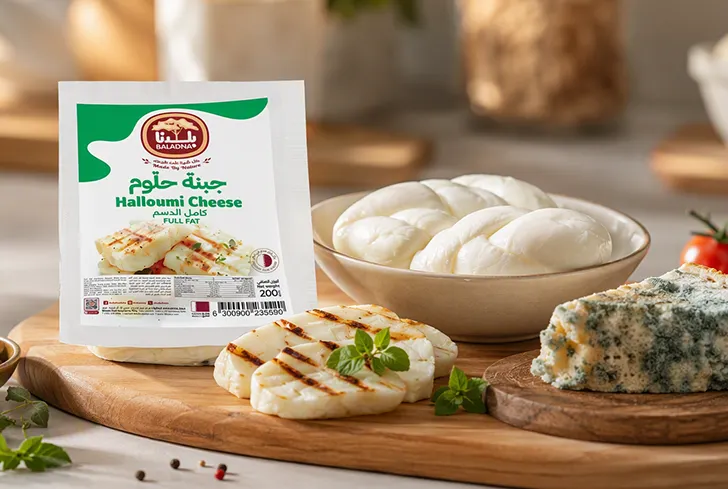
Cheese & Mold: Separating the Edible From the Toxic
Cheese is a popular and delicious food that has been enjoyed for centuries. However, sometimes cheese can develop mold, which can be concerning for some people. While some molds on cheese are perfectly safe to eat, others can be harmful and even deadly. In this article, we will explore whether you can eat cheese if it has mold on it.What causes mold on cheese?Cheese is made from milk, which contains bacteria. During the cheesemaking process, these bacteria work to break down the lactose in the milk, creating lactic acid. The lactic acid helps to coagulate the milk and form curds, which are then pressed and aged to create cheese.However, cheese is also a great environment for other types of bacteria, including mold. Mold spores are present everywhere in the environment, and when they land on cheese, they can start to grow and spread. The growth of mold on cheese is influenced by a variety of factors, such as the age of the cheese, the humidity of the environment, and the temperature at which the cheese is stored.What types of mold are safe to eat?There are several types of mold that are safe to eat and are even used in the production of certain types of cheese. These include Penicillium roqueforti, which is used to make blue cheese, and Penicillium camemberti, which is used to make brie and camembert cheese. These molds are harmless and even beneficial, as they help give these cheeses their distinctive flavor and texture.What types of mold are not safe to eat?While some molds are safe to eat, others can be harmful or even deadly. One type of mold that is particularly dangerous is Aspergillus fumigatus, which produces a toxin called aflatoxin. Aflatoxin is a potent carcinogen that can cause liver damage and increase the risk of liver cancer. Another type of mold that is harmful is Stachybotrys chartarum, which can cause respiratory problems and even neurological damage.How can you tell if mold on cheese is safe to eat?It can be difficult to tell whether mold on cheese is safe to eat or not, as some molds can be harmless while others are dangerous. One way to tell is to look at the color of the mold. Safe molds are typically blue, green, or white, while dangerous molds are black or brown. Another way to tell is to smell the cheese. If it smells sour or rancid, it is likely that the mold has penetrated the cheese, and it should be discarded.Can you cut the mold off cheese and still eat it?Some people believe that you can simply cut the mold off cheese and still eat the rest. While this may be true for some types of cheese, it is not a reliable method for determining whether the cheese is safe to eat. Mold can penetrate the cheese and release toxins, which can be harmful even if you cut off the visible mold.How can you prevent mold from growing on cheese?To prevent mold from growing on cheese, it is important to store it properly. Cheese should be stored in the refrigerator in an airtight container or wrapped tightly in plastic wrap. It is also important to keep the cheese dry, as moisture can promote the growth of mold.A final & cheesy noteIf you are unsure whether the cheese is safe to eat, it is best to err on the side of caution and discard it. By storing cheese properly and being mindful of the risks associated with mold, you can enjoy this delicious food without putting your health at risk.Looking for the best cheese for your diet? Look no further than Baladna! Our 100% Qatari farm provides authentic, fresh, and quality dairy products that are not only delicious but also healthy. Try our cheese today and taste the difference that comes from happy, well-cared-for cows!