Blog Power Hour: The Best Time To Drink Pineapple Juice
09 September, 2026

Power Hour: The Best Time To Drink Pineapple Juice
Similar

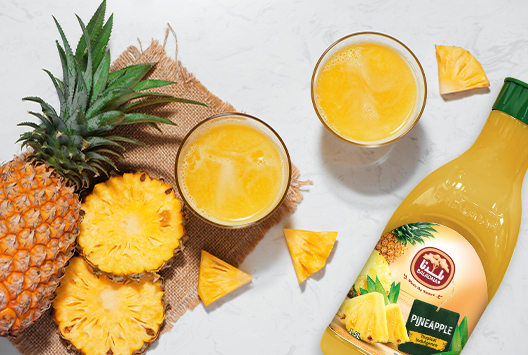
Pineapple juice is a delicious and refreshing drink that is enjoyed by people all over the world. It is made from the fruit of the pineapple plant, which is native to South America but is now grown in many parts of the world. 


But, did you know that pineapple juice is like a superhero drink packed with vitamins, minerals, and antioxidants? That's right! It's like having a powerful elixir that can provide numerous health benefits to your body and mind. 


In this article, we will take a closer look at the health benefits of pineapple juice. We’ll also explore the best time to drink it. 


Pineapple Juice: A look at calories and nutrition facts


A 100 ml bottle of Baladna Pineapple Juice contains around 46.1 calories, which makes it a relatively low-calorie drink. It is also packed with vitamins and minerals. In fact, one cup of pineapple juice can help you achieve your recommended vitamin C intake. It is also a good source of vitamin B6, thiamin, and folate. 


Did you know that pineapple juice is also good for your heart health? It's true! This power drink is packed with potassium, which can help regulate blood pressure and promote a healthy heart. Plus, it's got a few other sidekicks like calcium, magnesium, and iron that can help keep your body strong and healthy. 


When is the best time to drink pineapple juice?


There is no one right answer to this question. The ideal time to drink pineapple juice depends on your preferences and lifestyle. But, here are some guidelines to help you maximize the benefits of pineapple juice: 


  • In the morning


Do you need help to get your day started? Grab a glass of pineapple juice and get ready to feel energized! Pineapple juice is the perfect way to kickstart your metabolism and give you a natural boost of energy. 


What’s more – it's packed with vitamin C, like a superhero that fights off bad guys (aka free radicals) and boosts your immune system. And get this, vitamin C also helps your body absorb iron, which is super important for keeping your blood cells healthy.


But wait, there's even more! Drinking pineapple juice in the morning on an empty stomach can help your tummy too. It helps break down proteins, making you feel less bloated and more comfortable. So go ahead, pour yourself a glass of pineapple juice in the morning and get ready to take on the day!


  • Before or after exercise


Are you seeking a secret weapon to take your workouts to the next level? Look no further than pineapple juice! This tasty drink can help improve your athletic performance and aid muscle recovery. 


Pineapple juice contains potassium, which works wonders for your muscles. It helps regulate fluid balance and prevents pesky muscle cramps from ruining your workout. It also provides a quick burst of energy, perfect for powering you up before a workout.


But the magic of pineapple juice doesn't stop there. After a tough workout, drinking pineapple juice can help reduce inflammation and aid in muscle recovery. This is all thanks to the bromelain enzyme in pineapple. It helps fight off soreness in your muscles, so you can recover faster and get back to crushing your workouts.


  • Before a meal


Drinking pineapple juice before a healthy feast can help stimulate digestion and reduce your appetite. Pineapple juice is packed with fiber, which can help regulate your digestive system and promote feelings of fullness.


Drinking pineapple juice before a meal can also help reduce cravings for unhealthy snacks and promote weight loss. The natural sugars in pineapple juice provide a quick energy boost, which can help curb cravings for sugary or fatty foods. 


  • Before bed


Are you having trouble catching a proper good night's sleep? Well, pineapple juice will certainly help you drift off to dreamland. That is because pineapple contains an amino acid called tryptophan, which is like a sidekick to serotonin – the neurotransmitter that helps regulate mood and promote feelings of relaxation. This means no more tossing and turning as you try to get comfortable! But, if you're sensitive to acidic foods, you may want to skip this drink before bedtime.


Go ahead and pour yourself a glass of pineapple juice! 


Are you looking for a fun and delicious way to boost your health? Well, look no further because Baladna Pineapple Juice is here to save the day! Get yourself some pineapple juice today; your taste buds and body will thank you!

More Articles

Blog Creative Middle Eastern Appetizers with Moshalal Cheese
26 June, 2025

Creative Middle Eastern Appetizers with Moshalal Cheese

Originating in the Levant region, moshalal cheese has been a part of Middle Eastern culinary culture for centuries. It is enjoyed across many Middle Eastern countries, including Lebanon, Syria, and Jordan, where it holds a special place in traditional diets.Made from fresh cow or goat milk, this versatile cheese is often likened to string cheese due to its unique texture and delightful flavor. It is not only popular for snacking but also serves as a key ingredient in a variety of creative appetizers that showcase its deliciousness. What can you make with moshalal cheese? Here are some ideas:1. Moshalal Cheese & Herb SticksCut the moshalal cheese into sticks and serve them with a variety of fresh herbs, such as mint, parsley, and cilantro. Drizzle with olive oil and sprinkle with a pinch of salt for a refreshing and flavorful appetizer.2. Cheesy Spinach PuffsCombine chopped spinach, moshalal cheese, and feta in a bowl. Spoon the mixture into phyllo pastry sheets, fold, and bake until crispy. These bites are perfect for entertaining and can be served warm or at room temperature.3. Cheese and Za'atar FlatbreadSpread a mixture of moshalal cheese and za'atar on flatbread and bake until the cheese is bubbly. Cut into small squares for a savory snack that captures the essence of Middle Eastern flavors.4. Moshalal Cheese Stuffed ZucchiniHollow out small zucchini or courgettes and stuff them with a mixture of moshalal cheese, rice, diced tomatoes, and aromatic spices such as cinnamon and allspice. Place the stuffed zucchini in a baking dish, drizzle with olive oil, and bake until tender. 5. Spiced Moshalal Cheese RollsSpread a thin layer of moshalal cheese onto a whole wheat tortilla or flatbread. Sprinkle with a mix of spices like cumin and paprika, then roll it up tightly. Slice into pinwheels for a quick, flavorful appetizer that’s easy to share at gatherings.Whether enjoyed on its own or incorporated into creative dishes, this stringy cheese is sure to delight your taste buds and impress your guests. So, the next time you're looking to add a touch of Middle Eastern flavor to your gatherings, consider Baladna Moshalal Cheese as your star ingredient. Enjoy the rich traditions and vibrant tastes it brings to your table!

Blog Cheese & Mold: Separating the Edible From the Toxic
08 September, 2026

Cheese & Mold: Separating the Edible From the Toxic

Cheese is a popular and delicious food that has been enjoyed for centuries. However, sometimes cheese can develop mold, which can be concerning for some people. While some molds on cheese are perfectly safe to eat, others can be harmful and even deadly. In this article, we will explore whether you can eat cheese if it has mold on it.What causes mold on cheese?Cheese is made from milk, which contains bacteria. During the cheesemaking process, these bacteria work to break down the lactose in the milk, creating lactic acid. The lactic acid helps to coagulate the milk and form curds, which are then pressed and aged to create cheese.However, cheese is also a great environment for other types of bacteria, including mold. Mold spores are present everywhere in the environment, and when they land on cheese, they can start to grow and spread. The growth of mold on cheese is influenced by a variety of factors, such as the age of the cheese, the humidity of the environment, and the temperature at which the cheese is stored.What types of mold are safe to eat?There are several types of mold that are safe to eat and are even used in the production of certain types of cheese. These include Penicillium roqueforti, which is used to make blue cheese, and Penicillium camemberti, which is used to make brie and camembert cheese. These molds are harmless and even beneficial, as they help give these cheeses their distinctive flavor and texture.What types of mold are not safe to eat?While some molds are safe to eat, others can be harmful or even deadly. One type of mold that is particularly dangerous is Aspergillus fumigatus, which produces a toxin called aflatoxin. Aflatoxin is a potent carcinogen that can cause liver damage and increase the risk of liver cancer. Another type of mold that is harmful is Stachybotrys chartarum, which can cause respiratory problems and even neurological damage.How can you tell if mold on cheese is safe to eat?It can be difficult to tell whether mold on cheese is safe to eat or not, as some molds can be harmless while others are dangerous. One way to tell is to look at the color of the mold. Safe molds are typically blue, green, or white, while dangerous molds are black or brown. Another way to tell is to smell the cheese. If it smells sour or rancid, it is likely that the mold has penetrated the cheese, and it should be discarded.Can you cut the mold off cheese and still eat it?Some people believe that you can simply cut the mold off cheese and still eat the rest. While this may be true for some types of cheese, it is not a reliable method for determining whether the cheese is safe to eat. Mold can penetrate the cheese and release toxins, which can be harmful even if you cut off the visible mold.How can you prevent mold from growing on cheese?To prevent mold from growing on cheese, it is important to store it properly. Cheese should be stored in the refrigerator in an airtight container or wrapped tightly in plastic wrap. It is also important to keep the cheese dry, as moisture can promote the growth of mold.A final & cheesy noteIf you are unsure whether the cheese is safe to eat, it is best to err on the side of caution and discard it. By storing cheese properly and being mindful of the risks associated with mold, you can enjoy this delicious food without putting your health at risk.Looking for the best cheese for your diet? Look no further than Baladna! Our 100% Qatari farm provides authentic, fresh, and quality dairy products that are not only delicious but also healthy. Try our cheese today and taste the difference that comes from happy, well-cared-for cows!

Blog Your Guide to Serving and Eating Mozzarella the Right Way
13 May, 2024

Your Guide to Serving and Eating Mozzarella the Right Way

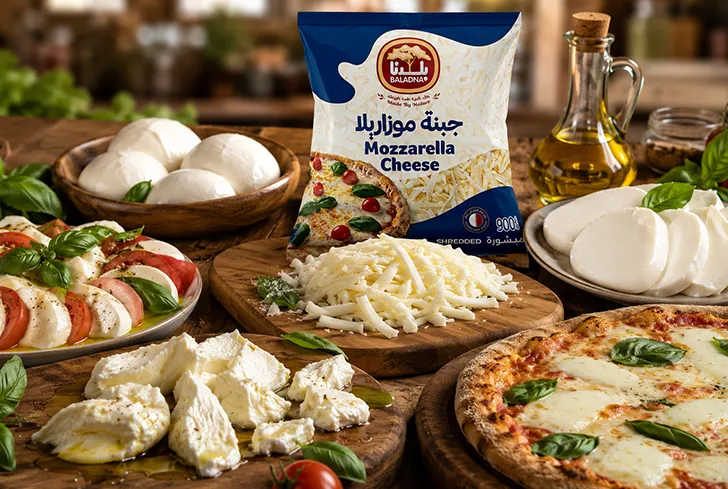
Mozzarella cheese is one of the most popular types of cheese and is a staple in several dishes. Whether you're craving pizza, lasagna, cheese platters, or sandwiches, you can never go wrong with its cheesy goodness. It is also an excellent source of protein and calcium. However, like other foods, it is essential to learn the proper way to serve and eat mozzarella to enjoy it in the best way possible. And we’re here to guide you through it. First things first: What Is mozzarella?Mozzarella is a type of cheese made from cow's milk. It is a specialty product originating from Southern Italy. While it's typically white in color, it can vary from light yellow to creamy white, depending on the cow's diet. This type of cheese is usually available in round balls, ranging between 100 and 250 grams in size, braided or bite-sized shapes. Tips for serving and eating mozzarellaIf you want to serve and eat mozzarella cheese the right way, it is essential to follow mozzarella etiquette. Below are some tips you should take into consideration when storing, serving, and eating mozzarella.Storing mozzarellaPlace mozzarella in the fridge, and not in the freezer. Instead of wrapping it in plastic, store it in a bowl or container with whey or a solution made of cow’s milk and water. Cooked mozzarella can last three to five days in the fridge or one or two months in the freezer. It is best to consume it within one or two days after opening it. Cleaning mozzarellaYou don't need to wash mozzarella before consuming it because it is packaged in an edible liquid. Cooking mozzarellaThe best part about mozzarella is that it can be consumed in different ways. You can bake, fry, grill, or even add it raw to pasta dishes. You can also use mozzarella in your salads and sandwiches. Serving mozzarellaIt is best to serve mozzarella at room temperature. When arranging a cheeseboard, place mozzarella as the mildest option on the platter. To ensure you are serving the best mozzarella, make sure you go for fresh, moist, and firm pieces. Ensure every 125 grams contains around 330 calories for a healthy serving. Pairing mozzarella Mozzarella goes well with salads and pizzas. You can also pair it with bread or focaccia and season with salt, olive oil, oregano, and black pepper. You can never go wrong with a crowd favorite! Mozzarella is a crowd favorite because it goes well with many mouthwatering dishes. Educating yourself on how to serve and eat it properly can help you enjoy this cheesy experience better. If you're looking for the most trusted dairy and beverage company in Qatar, you've come to the right place. Baladna strives to bring authentic, fresh, and best dairy products nationwide. Visit our website and browse our products today!