Blog Let Kids Help Pack
26 August, 2026

Let Kids Help Pack

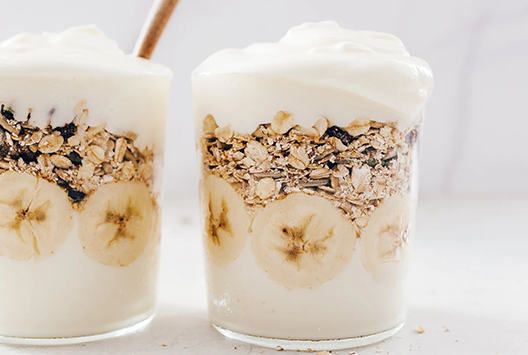
Give them two or three choices for their lunchbox and let them pick. A little independence can make school mornings much easier.


More Articles

Blog The Etiquette For Serving & Eating Cheddar
30 January, 2023

The Etiquette For Serving & Eating Cheddar

The Etiquette For Serving & Eating CheddarCheddar cheese is a delicious and versatile food that can be enjoyed in many different ways. Whether you're looking for a simple snack or a more elaborate dish, there are a few key things to keep in mind when serving and eating cheddar cheese. This comprehensive guide will teach you everything you need to know about how to serve and eat cheddar cheese the right way.What Is Cheddar, Anyway?Cheddar cheese is a hard, natural cheese that originated in the English village of Cheddar in Somerset. It is made from cow's milk, and its flavor can range from mild to sharp, depending on how long it's been aged.Cheddar cheese is a key ingredient in many popular dishes, like macaroni and cheese, and it can also be enjoyed on its own as a snack.How To Choose The Right Cheddar Cheese When you're shopping for cheddar cheese, it's important to choose a variety that suits your palate. If you like milder flavors, opt for a young cheddar cheese that hasn't been aged for very long. If you prefer a sharper flavor, look for a block of aged cheddar cheese.You should also pay attention to the color of the cheddar cheese you're buying. Younger cheddar cheeses are typically white or pale yellow in color, while aged cheddar cheeses are more yellow or orange.When you're ready to buy cheddar cheese, look for a variety that's sold in a block. This will allow you to cut off as much or as little as you want, and it will also help the cheese last longer.How to Serve and Eat Cheddar1. When serving cheddar cheese, be sure to cut it into small, bite-sized pieces. This will make it easier for your guests to eat and will help prevent the cheese from drying out.2. Cheddar cheese should always be served at room temperature. If it is too cold, the flavors will be muted, and it will be difficult to spread. If it is too warm, the cheese will become greasy and unpleasant to eat.3. Cheddar cheese pairs well with various foods, including crackers, bread, fruit, and nuts. Be creative and experiment with different flavor combinations until you find what you like best.4. Cheddar cheese can be used in a variety of recipes, including soups, sauces, gratins, and casseroles. Get creative and experiment by adding cheddar cheese to your favorite dishes.5. Cheddar cheese can be stored in the refrigerator for up to two weeks. Be sure to wrap it tightly in plastic wrap or aluminum foil to prevent it from drying out.6. When grating cheddar cheese, be sure to use a coarse grater. This will prevent the cheese from turning into a paste when it is grated.7. Cheddar cheese is best enjoyed fresh, but it can also be frozen for up to six months. Be sure to wrap it tightly in plastic wrap or aluminum foil before freezing to prevent it from drying out.A Sharp & Cheesy Note If you're looking to serve and eat cheddar the right way, there are a few things you should keep in mind. First, make sure to choose high-quality cheddar cheese. Second, take the time to properly prepare the cheese by letting it come to room temperature and slicing it into thin pieces. Third, serve the cheese with complementary foods that will bring out its flavor, such as crackers, fruit, or nuts. And finally, don't forget to enjoy the cheese on its own; it's one of the best ways to appreciate its flavor and texture.Buy from BaladnaFor fresh dairy products made from one of the largest cattle farms in the region, buy Baladna products. Our comfortable and well-conditioned environment houses up to 24,000 cows that deliver high-quality milk, cheese, and more. Take a look at our offerings on our website today.

Blog Mozzarella Magic: Why You Should Consider Eating More of This Cheese
13 May, 2024

Mozzarella Magic: Why You Should Consider Eating More of This Cheese

Who doesn't love mozzarella cheese? Its melt-in-your-mouth texture and subtle flavor make it a crowd favorite. It is great in pizzas, salads, and sandwiches and a must-have in dishes like lasagna and quiche.The best part is that mozzarella is not just delicious, but also offers a wide range of health benefits. You read that right and we’re here to list some of them for you:It’s a great source of proteinAre you looking for ways to increase your daily protein intake? If so, you should definitely consider adding some mozzarella cheese to your diet. Mozzarella cheese is a type of cheese that is often made from cow’s milk or a combination of cow’s milk and goat’s milk. That makes it a great source of protein, which we all know is important for muscle growth and the proper functioning of the immune system. A single serving of mozzarella cheese can provide up to 12 grams of protein, so make sure to buy some mozzarella cheese on your next grocery shopping spree! It’s good for bone health Mozzarella cheese is a great source of calcium, which means it can help with the development of strong and healthy bones. Additionally, mozzarella cheese is a good source of phosphorus, which also plays an important role in bone health. Phosphorus helps to absorb and use calcium and makes up a large portion of the bone itself. Eating mozzarella cheese can help maintain a healthy calcium-phosphorus balance which is necessary for strong and healthy bones.Mozzarella cheese is also a great source of vitamin D, which helps the body absorb and use calcium and also helps maintain healthy levels of calcium in the blood. It’s rich in vitamin B2Mozzarella cheese is an excellent source of riboflavin, also known as vitamin B2, which is an essential nutrient that helps break down carbohydrates, proteins, and fats and helps the body produce energy from the food we eat. Riboflavin is also important for the production of red blood cells, which help carry oxygen throughout the body. In addition, riboflavin helps to convert vitamin B6 and folate into forms that can be used by the body.Eating mozzarella cheese is an easy way to increase your riboflavin intake, as just one ounce of mozzarella cheese contains roughly 0.2 milligrams of riboflavin, which is about 15 percent of the recommended daily intake for adults.It’s filled with biotin Mozzarella cheese is a great source of biotin, which plays an important role in metabolism and aids in the breakdown of certain fats and proteins. It also helps to maintain healthy skin and hair while also aiding in the production of energy. Eating more mozzarella cheese is an easy way to increase your biotin intake and reap the benefits of this essential nutrient.Say cheese! Mozzarella cheese is an excellent food choice due to its high nutritional value and versatility. It is a great source of protein, calcium, phosphorus, riboflavin, and biotin, all of which play a crucial role in maintaining a healthy body. Its mild flavor and versatility make it a great addition to any meal. Eating more mozzarella cheese is an easy and delicious way to enjoy the many health benefits it has to offer.Maintain a healthy body without sacrificing taste with the help of Baladna mozzarella cheese. Produced from fresh farm milk, we offer an array of authentic Arabic cheeses, including Akawi, Halloumi, Majdoula, Moshalal, and Nabulsi. Order now!

Blog 2 Overlooked Tricks on How to Properly Store Cheese
08 October, 2024

2 Overlooked Tricks on How to Properly Store Cheese

Cheese is a beloved delight enjoyed all over the world, gracing the tables of fine dining restaurants and everyday kitchens alike. Its versatility knows no limits as it brings a distinct flavor and delightful texture to all kinds of recipes. Having said that, one must not overlook the importance of storing cheese correctly to preserve its taste, texture, and aroma.With a few simple tips and tricks, you can ensure that your cheese stays fresh and delicious for as long as possible. Read on to learn how to properly store cheese to keep it as fresh as ever. Wrapping it Storing cheese the right way is essential for preserving its flavor and texture. Cheese paper, waxed, or parchment paper are all great options to do just that. Wrapping cheese in these types of paper allows the cheese to “breathe,” meaning that it is protected from the elements while still allowing some air circulation. This helps keep the cheese moist and flavorful.Cheese paper is the ideal option for soft, semi-soft, and semi-hard cheeses. Cheese paper is specifically designed to keep cheese fresh and flavorful. It is made from cotton or linen and is lightly treated with a wax or mineral oil-based substance. Waxed or parchment paper are also suitable for storing soft (like the finest Greek feta cheese), semi-soft, and semi-hard cheeses (like Gouda). They are slightly less ideal than cheese paper, as they are not as breathable, but they still protect the cheese from the environment.No matter which type of paper you choose, it is essential to ensure the cheese is completely covered. It helps keep the cheese from drying out and losing moisture. It is also necessary to change the paper periodically to help keep the cheese in the best condition possible.Storing at the right temperatureTemperature is an essential factor in cheese's flavor and texture. While cold cheese can be enjoyed as a delicacy, cold temperatures may be needed to maintain the taste and texture of cheese. The best temperature for cheese is usually between 40 and 53°F. Cheese should always be stored in an airtight container, away from direct sunlight and other heat sources. A refrigerator is an ideal environment for cheese storage, though keeping the temperature between 40°F and 53°F  is necessary. Cheese likes to be kept at a cool, steady temperature. When cheese is stored below 40°F, the fats and proteins begin to separate. It can cause the texture of the cheese to become crumbly and dry. The flavor of the cheese can also become muted and less complex.When cheese is stored at temperatures above 53°F, it can spoil more quickly. It can cause the cheese to become slimy and the flavor to become bitter and unpleasant.Savor cheese and store with care!It is essential to understand the intricacies of proper cheese storage to ensure the long-term satisfaction of cheese lovers. Whether it be the finest Greek feta cheese or classic cheddar, adequate storage is key. With the proper knowledge of the appropriate temperature, humidity, and packaging, cheese lovers can enjoy their favorite cheese for months, if not years, to come.Now that you know how to store cheeses properly, you can confidently buy the finest cheeses out there with Baladna. Our 24,000 cows are in a comfortable and well-conditioned environment, making their cheeses one of the best in the market. Shop now!

Blog Moo-raculous Wonders: What Are the Benefits of Drinking Cow's Milk?
14 May, 2024

Moo-raculous Wonders: What Are the Benefits of Drinking Cow's Milk?

When you were younger, your parents probably always told you to drink milk before bedtime. But have you ever stopped to think about why this is important?Now that you're older, you might not be keen to drink a glass of cow's milk, and another beverage has probably replaced it as your favorite. But there are a number of different health benefits that come with drinking milk, so maybe it’s time to bring the old habit back. You could also consider adding milk to your diet by incorporating it into different meals such as smoothies, oatmeal bowls, desserts, and much more. Benefits of drinking cow’s milk Cow's milk is a popular and widely used beverage that is a staple in many households. Not only is it packed with nutrients and vitamins, but it also offers your body a range of health benefits that you may not have thought of before. 1. It’s a good source of essential nutrients Cow's milk is a great source of calcium, phosphorus, potassium, magnesium, and vitamin A — all of which are necessary for proper body functioning. These nutrients can also help keep your bones and teeth strong and healthy. What's more, cow's milk is a relatively low-calorie source of protein, which can help you feel full for longer.2. It improves heart health A number of studies have linked cow’s milk consumption to improved heart health. Cow’s milk is high in both monounsaturated and polyunsaturated fats, which are believed to be beneficial for reducing "bad" LDL cholesterol, which is critical for maintaining good heart health. 3. It supports weight loss Cow's milk is an excellent source of protein and calcium, two critical nutrients for weight loss. It is also low in fat and calories, which can help you maintain a healthy weight.Protein is one of the most important macronutrients for weight loss, as it helps to keep your metabolism running at its peak. Studies have shown that increasing your protein intake can help reduce body fat while preserving muscle mass. Cow's milk is one of the best protein sources, containing 8.5 grams per cup. Calcium is another essential macronutrient for weight loss, as it helps regulate your metabolism. Studies have shown that calcium can help reduce body fat and preserve muscle mass, which is essential for successful weight loss. Cow's milk is one of the best sources of dietary calcium, containing approximately 280 milligrams of calcium per cup.Cow's milk is also low in fat and calories, which makes it an ideal beverage for weight loss. One cup of whole milk contains 8 grams of fat and 150 calories, while one cup of skim milk contains 0.5 grams of fat and only 90 calories. 4. It boosts the immune system Whey protein is the most important component of cow's milk that is responsible for boosting the immune system. Whey protein is a complete protein, which means it contains all of the essential amino acids necessary for proper body functioning. The whey protein in cow's milk helps to stimulate the production of antibodies, which are responsible for fighting off infection and illness. Additionally, whey protein helps reduce inflammation in the body, which is essential for keeping the immune system functioning at its best.5. It improves bone healthCalcium is essential for strong bones, and cow's milk is an excellent source of this vital mineral. Studies have found that drinking cow's milk regularly can help increase bone density, which is important for preventing osteoporosis, a condition that can cause bones to become weak and brittle. The calcium in cow's milk can also help reduce the risk of fractures in children and adults.In addition to providing calcium, cow's milk is also a good source of vitamin D, which helps the body absorb and use calcium. It’s also a good source of phosphorus and magnesium, which are important for bone formation. Cow's milk is also a source of potassium - an electrolyte that helps regulate calcium and phosphorus levels in the body.Moo-ve over, it’s time for a glass of milk Overall, there are many great reasons to drink cow's milk regularly as you’ve read above. Your immune system and body will certainly benefit from adding cow’s milk to your diet. So, if you're looking for a healthy and nutritious beverage, cow's milk is a great choice. It is also important to make sure you're getting your milk from a trusted dairy and beverage company.Baladna is a trusted dairy and beverage company in Qatar that offers only the highest quality products. Check out our dairy products today!