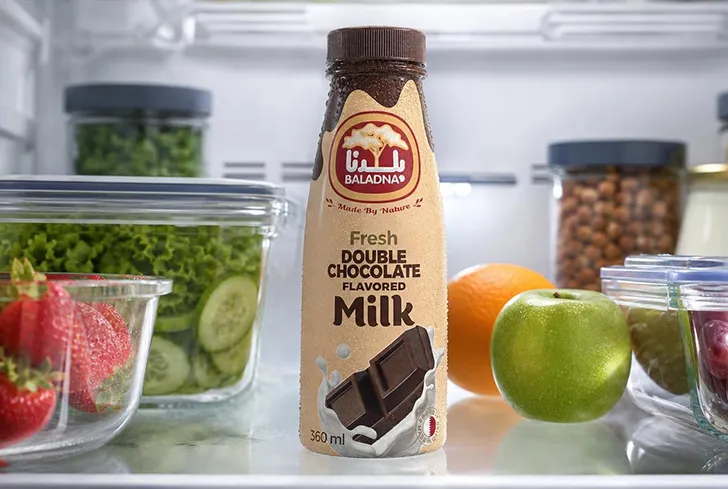
Blog How To Keep Your Favorite Chocolate Milk From Going Bad
10 September, 2026

How To Keep Your Favorite Chocolate Milk From Going Bad

Similar

Regardless of where you are, everyone loves a tall glass of cold chocolate milk on a hot summer day. For some, this refreshing drink may remind them of their nostalgic childhood. But have you ever smelled or tasted a whiff of sour chocolate milk and felt disappointed about it? 


While feeling upset about your spoiled chocolate milk is understandable, you must know why it happens and how to prevent it from going rancid. This article will explain the lifespan of chocolate milk and what you can do to extend its shelf life. 


How long will chocolate milk last after the sale date?


While expired chocolate milk can last for about a week, it loses its nutritional value when the sugar converts into lactic acid. You can drink chocolate milk about a week after the sell-by date if you refrigerate it below 40°F.


Having said that, drinking spoiled milk can cause foul odors and food poisoning, so you should avoid it at all times. You can detect bad chocolate milk by its sour taste, off-color, and thick or clumpy texture. 


Why does chocolate milk spoil faster?


People create this chocolaty beverage by combining milk and chocolate. If the chocolate used in making the milk has gone rancid, it can cause the drink to spoil quicker. You should never use expired milk to create other dairy products like cheese, sour cream, or yoghurt because it will have a rotten smell and taste and will not be safe to consume.


How long will it take for chocolate milk to spoil?


While this beverage will spoil in two to four hours if you store it above 40°F, it can last five days to a week if you keep it properly in the fridge. You must refrigerate fresh milk immediately to prevent harmful bacteria growth and absorption of odors or flavors from the environment. Also, opened milk products spoil faster, so you should use them quickly to avoid cost and food waste.


How long can you let chocolate milk sit out?


While chocolate milk can last longer at room temperature than regular milk, health professionals and food experts recommend refrigerating it to prevent spoilage. Never leave dairy products or other refrigerated foods outside the fridge for more than two hours.


How long is chocolate milk good after opening? 


You must refrigerate your chocolate beverage and consume it within a week to ten days after opening. It will spoil if it goes unrefrigerated for more than two hours, and bacterial growth is faster between 40°F and 140°F. Also, check the appearance, texture, aroma, and taste before consuming. If it smells terrible, it most likely needs to be tossed out. 


How to keep chocolate milk from spoiling?


Storing chocolate milk in the fridge prevents it from going rancid. Refrigeration slows down fermentation and prevents bacterial growth. If you keep it properly, you can still safely consume the drink after two weeks. The stabilizers in chocolate milk, like carrageenan and guar gum, make it less likely to spoil. 


Is chocolate milk nutritious? 


Chocolate milk has many beneficial nutrients like calcium, vitamin D, and protein. However, children under 12 shouldn't drink it because of its caffeine content. 


Nobody deserves bad milk 


Nobody deserves to drink spoiled chocolate milk because it can ruin one’s day and cause stomach problems. You can prevent it from spoiling by buying from reputable brands and storing and refrigerating it properly. 

If you are looking for the best chocolate milk for a hot day, visit Baladna! We provide people in Qatar with authentic and fresh dairy products. Shop your favorite products today by visiting our website.


More Articles

Blog All About Nabulsi Cheese: The Perfect Salad Addition
24 June, 2025

All About Nabulsi Cheese: The Perfect Salad Addition

When most people think of Nabulsi cheese, they might imagine it melting into a decadent Middle Eastern dessert or paired with olives for breakfast. However, Nabulsi cheese is far more versatile than you might think. With its firm texture, salty flavor, and satisfying bite, Nabulsi makes the perfect addition to fresh salads, adding a delightful Middle Eastern twist to your greens.But first, what makes Nabulsi cheese unique?Originating from the city of Nablus in Palestine, Nabulsi cheese is a semi-hard white cheese, often flavored with mahlab (a cherry seed spice) and nigella seeds. Traditionally, it’s soaked in brine to preserve it, giving it a distinct salty flavor that pairs beautifully with both savory and fresh ingredients. The cheese can be eaten fresh or fried for a crispy outer layer and gooey inside, similar to halloumi.What makes it so great for salads? Texture: Nabulsi cheese has a firmer texture, which holds up well in salads without crumbling. This makes it ideal for tossing with vegetables, grains, and even fruits.Salty, Tangy Flavor: The cheese’s saltiness adds a burst of flavor to otherwise mild ingredients, creating a balanced contrast in your salad.Versatility: Whether grilled, fried, or used fresh, Nabulsi cheese complements a wide range of ingredients, from leafy greens to grains, fruits, and nuts.A few creative salad ideas with Nabulsi cheese1. Nabulsi Cheese & Watermelon SaladPair the salty Nabulsi with juicy watermelon cubes for a refreshing summer salad. Add a sprinkle of mint leaves, a drizzle of olive oil, and a dash of lemon juice for a perfect blend of sweet, salty, and tangy flavors.2. Grilled Nabulsi Cheese Salad with Roasted VegetablesLightly grill slices of Nabulsi cheese until golden brown and add to roasted vegetables like zucchini, bell peppers, and eggplant. Toss with a vinaigrette made from lemon juice, olive oil, and a pinch of sumac for a Middle Eastern-inspired salad.3. Nabulsi Cheese & Arugula SaladUse the cheese as a salty counterpart to peppery arugula. Add cherry tomatoes, cucumber slices, and red onions, and finish with a simple olive oil and lemon dressing.4. Nabulsi Cheese & Quinoa SaladFor a heartier salad, combine Nabulsi cheese with cooked quinoa, diced cucumbers, tomatoes, and fresh parsley. Drizzle with olive oil and lemon for a protein-packed meal that’s both healthy and delicious.If you’re looking to bring a new flavor to your salads, Nabulsi cheese is a great way to introduce a taste of the Middle East into your meals. For the finest Nabulsi cheese, Baladna has you covered. Visit our website to explore our range of products, and find Baladna cheeses in supermarkets across Qatar today!

Blog Greek Yoghurt vs. Regular Yoghurt: Which One Is Right For You?
03 October, 2024

Greek Yoghurt vs. Regular Yoghurt: Which One Is Right For You?

Yoghurt is a staple in many diets across the globe and is known for its creamy texture and tangy flavor. This versatile, protein-packed food can be enjoyed with fruits, nuts, or savory ingredients. While several types of yoghurt are available in the market, two of the most popular varieties are Greek yoghurt and regular yoghurt. With Baladna's range of high-quality yoghurts, it's essential to understand the differences between these two types to determine which suits your taste and nutritional needs better. In this blog post, we will compare Baladna Greek yoghurt and regular Baladna yoghurt to help you make an informed decision.Baladna Greek Yoghurt vs. Regular Baladna Yoghurt: What's the difference?1. Production ProcessGreek yoghurt and regular yoghurt begin with the same ingredients — milk and live bacterial cultures. However, the production process differs slightly, resulting in unique textures and nutritional profiles.Regular yoghurt is made by fermenting milk with live bacterial cultures, allowing the bacteria to convert lactose into lactic acid. This process thickens the milk and gives yoghurt its characteristic tangy flavor.On the other hand, Greek yoghurt undergoes an additional step after fermentation. The yoghurt is strained to remove excess whey, resulting in a thicker, creamier consistency. Baladna's Greek yoghurt is made using a traditional straining method that ensures its signature rich texture.2. Texture and TasteThe most apparent difference between Greek yoghurt and regular yoghurt is its texture. Greek yoghurt is thicker and creamier, owing to the removal of whey during the straining process. Regular yoghurt, while still smooth, has a thinner consistency.Taste-wise, Greek yoghurt is often described as having a more concentrated flavor due to its reduced whey content. It has a slightly tangier taste than regular yoghurt, which may be milder and sweeter, depending on the brand and variety.3. Nutritional DifferencesGreek yoghurt and regular yoghurt also differ in their nutritional profiles. Here's a breakdown of their key nutrients:Fat: The fat content in both yoghurt types depends on the milk used during production. Both Greek and regular yoghurt have full-fat, low-fat, and fat-free options. Baladna offers full-fat Greek yoghurt and a range of regular yoghurt options, including low-fat and fat-free varieties.Calcium: Regular yoghurt typically has a higher calcium content than Greek yoghurt. The straining process in Greek yoghurt production removes some of the calcium-rich whey. However, both yoghurt types still contribute to your daily calcium intake.Probiotics: Greek and regular yoghurt contain live bacterial cultures (probiotics) that can benefit gut health. Some brands may have more probiotic strains than others, so checking the label for specific information is essential.Is one better than the other?The choice between Greek and regular yoghurt ultimately depends on your taste preferences and nutritional needs. If you prefer a thicker, creamier texture and tangier taste, Greek yoghurt may be the better option. Additionally, it's an excellent choice for those looking for a higher protein and lower carbohydrate content.Regular yoghurt is still nutritious, with a milder flavor and thinner consistency. It may be more suitable for those who require a higher calcium intake or prefer a gentler taste.It’s a yoghurt world Baladna yoghurt products ensure that you can enjoy the benefits of both Greek and regular yoghurt, depending on your preferences. Whether you prefer the tangy taste of Greek yoghurt or the creamy sweetness of regular yoghurt, both can be part of a healthy and balanced diet.Are you looking for high-quality yoghurt? Baladna provides authentic, fresh, and quality dairy products. Our farm can house up to 24,000 cows in a comfortable and well-conditioned environment, allowing them to reach their production capacity comfortably. Browse more of our products today!

Blog Part 2: When Is The Best Time To Drink Milk? And What Are The Benefits?
08 September, 2026

Part 2: When Is The Best Time To Drink Milk? And What Are The Benefits?

While milk can be consumed at any time of the day, drinking milk at night can have several benefits. Drinking milk at night has been a long-standing tradition in many cultures for centuries. While some may argue that it’s an old wives’ tale, scientific evidence supports the benefits of drinking milk at night. Here are some ways drinking milk at night can improve health.1. Helps people fall asleep fasterMilk contains tryptophan, an amino acid converted into serotonin and melatonin in the brain. Serotonin is a neurotransmitter that helps regulate mood, while melatonin is a hormone that helps regulate sleep. By drinking milk before bed, people can increase the levels of these chemicals in their brains, which can help them fall asleep faster.2. Promotes healthier sleep cyclesIn addition to helping people fall asleep faster, drinking milk at night can promote healthier sleep cycles. Milk contains calcium, which helps regulate the production of melatonin. By consuming milk before bed, people can help regulate their sleep cycles, leading to better quality sleep.3. Improves psychological healthDrinking warm milk before bed can also have psychological benefits. The warmth and comfort of the milk can help people feel relaxed and calm, reducing stress and anxiety. Additionally, drinking warm milk before bed can become a comforting bedtime routine, improving overall psychological well-being.Warm vs. Cold MilkMilk is a staple in many diets and is an excellent source of essential nutrients such as calcium, vitamin D, and protein. It is consumed in many forms, including as a beverage, in recipes, and as a supplement. Meanwhile, milk's nutrient content remains the same regardless of temperature. Some differences exist between warm and cold milk.Warm MilkDrinking warm milk can have a soothing effect on the body, helping to promote relaxation and improve sleep. Warm milk can also help improve digestion and promote healthy bowel movements. Additionally, warm milk can be a comforting bedtime routine, enhancing psychological well-being.One reason is that milk contains an amino acid called tryptophan, a precursor to the neurotransmitter serotonin. Serotonin is a chemical that helps regulate mood, appetite, and sleep. When you consume tryptophan, your body converts it into serotonin, which can help promote calmness and relaxation.Cold MilkCold milk can refresh the body, making it an excellent option for hot summer days. Cold milk can also be used in smoothies or other cold beverages, making it a versatile ingredient. Additionally, cold milk can be an excellent post-workout beverage, as it can help replenish the body's fluids and nutrients.Cold milk can also be used in smoothies or other cold beverages. It is a versatile ingredient that can be combined with fruits, nuts, and other ingredients to create unique and delicious drinks. Smoothies made with cold milk are an excellent way to get a healthy dose of nutrients while also enjoying a tasty and refreshing drink.