Blog Everything You Need to Know About Akawi Cheese
14 May, 2024

Everything You Need to Know About Akawi Cheese

Similar

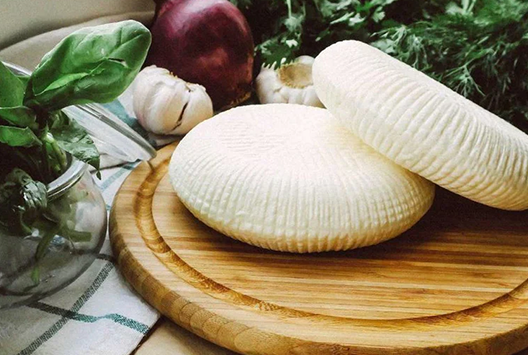
Akawi is a type of cheese most commonly associated with Middle Eastern cuisine. It is a white cheese made from sheep’s or goat’s milk and has a salty, tangy flavor. 


Akawi cheese is an essential ingredient in many Middle Eastern dishes and is a favorite among many cultures. It is commonly used in Middle Eastern dishes such as manakeesh, sambusek, and kunafa. It can also be used to top salads, sandwiches, and pizzas. It is also a great addition to sauces and dips. Akawi cheese is also a great ingredient when used in baking, as it adds a salty, creamy flavor to bread and pastries.


Akawi cheese is made from unpasteurized sheep’s or goat’s milk that is pressed and salted. The cheese is then aged for two to three months, forming its unique tangy flavor. Akawi cheese is light yellow in color. It has a distinctive soft texture and salty taste. The cheese is usually sold in blocks or rounds. 


The health benefits of akawi


Akawi cheese is a healthy and nutritious food rich in protein and calcium. It is also a good source of vitamins A, B2, and B12, as well as minerals such as zinc and iron. Eating Akawi cheese can also help reduce cholesterol levels as it is low in saturated fat. Akawi cheese also contains probiotics, which can help improve digestion and boost the immune system.


Akawi cheese is an excellent choice for those looking to add delicious and healthy food to their diet. With its unique flavor and nutritional benefits, it is sure to be a hit in any meal.


Tips for using akawi cheese in cooking


Akawi cheese can be used in various dishes, from salads and sandwiches to pizzas and pastas. When using Akawi cheese in cooking, it is best to grate it before adding it to a dish. This will help to ensure that the cheese melts quickly and evenly.


Try adding herbs and spices such as oregano, thyme, and garlic to give a dish an extra boost in flavor. For a creamy, flavorful dip, try combining Akawi cheese with Greek yogurt and spices.


A salty and tangy addition to your cheese collection! 


Akawi is a traditional and popular type of cheese used in Middle Eastern cuisine. It is made from soft, brined sheep's or goat's milk and is characterized by its salty and tangy taste and soft texture. The cheese is often eaten as a snack and is also used in a variety of traditional dishes. Akawi is an important part of the culinary heritage of Middle Eastern countries, and its unique flavor and texture make it an excellent addition to a variety of dishes.


Baladna is the best dairy and beverage company in Qatar. Shop our dairy products now and experience the difference.

More Articles

Blog 6 Cheese Facts More People Should Know About
13 October, 2024

6 Cheese Facts More People Should Know About

Cheese is a delicious and versatile food that has been enjoyed by people worldwide for centuries. Cheese is made from the milk of various animals, including cows, goats, and sheep. The first step in making cheese is pasteurizing the milk, which involves heating it to a specific temperature to kill harmful bacteria. Once the milk has been pasteurized, it is cooled and mixed with rennet, an enzyme that causes it to coagulate and form curds, eventually turning into the cheese we eat. However, few people know much about cheese, so we will discuss some facts you should know below: #1 - Cheese should be eaten sparinglyYou don't need to eliminate cheese from your diet completely. However, suppose you suffer from high cholesterol or high blood pressure. In that case, it's best to consume high-fat cheeses in moderation because certain roquefort, halloumi, feta, and cheese singles can be saltier than seawater. Cheese does, however, provide calcium and protein, making it acceptable in moderate amounts. To avoid temptation, maintain smaller servings of cheese and measure their weight. Opt for cheeses with a lower fat content like mozzarella, feta, cottage cheese, or those labeled as reduced-fat, as they contain lower amounts of saturated fat.#2 - Cheese can be addictiveStudies indicate that casein, a protein in dairy products and particularly abundant in cheese, produces opiates known as casomorphins during digestion. These opiates can indirectly provide a sense of comfort to the brain through hormones. If you consume a large amount of cheese, you might become used to its salty taste or develop a routine of eating it at specific times. Therefore, paying attention to your eating habits and slowly decreasing your cheese consumption is essential.#3 - Goat cheese is better than cow cheese Soft goat cheese has around 26g of fat per 100g, comparable to brie and edam, and roughly the same salt content as camembert. It is classified as a high-fat item, while cheeses like mozzarella, ricotta, and feta, typically made from sheep's milk or a blend of sheep's and goat's milk, have lower fat content.Goat cheese is often considered a better option for those with lactose intolerance compared to soft cow's milk cheeses. While it has a similar lactose content to semi-soft cheeses like brie or feta, it contains less lactose than moister cheeses such as ricotta and cottage cheese.#4 - Cheese can help keep the bones strongCheese is an excellent source of calcium. For example, a 30g serving of cheddar supplies more than 25% of an adult's daily needs. Nonetheless, other dairy products like yoghurt and milk are equally beneficial for bone health and contain less fat and salt. Cheese also has a minor quantity of vitamin D, a fat-soluble nutrient that aids calcium absorption from our diet. Dairy products with less fat, like semi-skimmed milk, have lower amounts of vitamin D than full-fat cheese.#5 - Reduced-fat cheese is a valid optionRemember that "reduced fat" does not automatically mean "low fat.” It simply indicates that the fat content is 25% lower than in the original version. To determine if the fat content is high (over 17.5g/100g), medium (3.1-17.5g/100g), or low (3g or less/100g), be sure to check the product's label.Additionally, you can cook and bake using low-fat cheese, but remember that it might take longer for low-fat hard cheese varieties to melt. To help with melting, grate the cheese finely and use low heat. When baking or grilling, these cheeses might create skin, so adding them closer to the end of the cooking time is better.#6 - Grated cheese is better than sliced  Many people use a smaller amount of cheese when grating it. A typical pre-sliced cheese weighs around 20-30 grams, and several slices are often used in a sandwich. However, you must be mindful of the portion size when grating cheese for use in sauces, toasted sandwiches, or baked potatoes, as it's pretty simple to use an excessive amount unintentionally.Say Cheese! Cheese is a delicious and beloved food enjoyed by people worldwide. However, it's essential to consume it in moderation and be aware of its nutritional value because it can be high in calories, fat, and sodium.If you are looking for high-quality dairy products, Baladna has what you need! We offer various healthy products, such as cheeses, yoghurt, milk, and fruit juices, all at affordable prices. Call us today at +974 4035 8888 to place an order!

Blog Traditional Greek Dishes with Feta Cheese You Must Try
14 May, 2024

Traditional Greek Dishes with Feta Cheese You Must Try

The world of feta cheese is a salty, crumbly one - and we have Greece to thank for that. This cheese has been a favorite in many cultures and cuisines for centuries, and are you even surprised? It’s delicious and goes well with so many different meals. It’s also what makes Greek Salad so irresistible. Aside from its savory goodness, it’s also loaded with essential vitamins and minerals. It’s also packed with protein and light on the fat, so it’s a win-win option for those who lead a healthy lifestyle. The best part about feta cheese is its versatility. One can’t help but get creative with this type of cheese, and we’re here to share two dishes that you must try to make with the feta cheese you have hanging around in your fridge. SpanakopitaSpanakopita is a beloved Greek snack and one of the most popular dishes in Greek cuisine, and for good reason. It is a flaky pastry parcel filled with a delicious combination of sautéed spinach, gooey feta cheese, and a unique blend of herbs and spices. It makes for a great appetizer, side dish, or even a light meal. To make the filling, sauté the spinach with onions and garlic to add a rich depth of flavor that pairs nicely with feta cheese. Once cooled, add chopped parsley, crumbled feta, grated Parmesan cheese for extra cheesy goodness, and some salt and pepper to taste. You could also add your favorite herbs and spices as well. The pastry used to make spanakopita is light and flaky, and is usually made from layers of butter and flour, rolled out, and filled with spinach and feta. Alternatively, you can use store-bought phyllo pastry to make the preparations much easier. All you have to do is butter a pan and layer your phyllo pastry on top of each other, with butter separating the layers. Pour the spinach and feta mixture over the phyllo dough layers and then fold the edges of the phyllo dough over the spinach mixture. Bake in a pre-heated 375°F oven for 30-40 minutes or until golden brown.Baked FetaWhen cooking with feta, using only the finest Greek feta is key. That is because feta from Greece is known for its superior flavor, texture, and quality. Baked feta, in particular, requires the best feta to ensure a delicious and memorable meal. This traditional Greek recipe is a must-try! All you have to do is bake a block of feta with tomatoes, peppers, and onion to create a wonderfully aromatic dish that will impress. The combination of flavors creates an unbeatable combination of salty, tangy, and sweet. To prepare this recipe:1. Preheat your oven to 375°F.2. Cut the feta into cubes and place in a baking dish.3. Add the tomatoes, peppers, and onion, and drizzle with olive oil.4. Sprinkle with oregano, basil, and salt and pepper to taste.5. Bake in the preheated oven for 25 minutes.The feta cheese will soften and melt into the vegetables, while the tomatoes and peppers will become slightly charred. Adding herbs and spices will infuse the entire dish with a delicious aroma. It’s always better with feta Feta cheese is a magical ingredient that can leave different types of palates amazed. From salads to appetizers, there is so much you can do with feta cheese. If you want the finest Greek feta cheese, check out what Baladna has to offer. We pride ourselves on bringing only the best exotic cheeses to the market. So, if you want to take Greece to your home, order our feta cheese now!

Blog All About Nabulsi Cheese: The Perfect Salad Addition
24 June, 2025

All About Nabulsi Cheese: The Perfect Salad Addition

When most people think of Nabulsi cheese, they might imagine it melting into a decadent Middle Eastern dessert or paired with olives for breakfast. However, Nabulsi cheese is far more versatile than you might think. With its firm texture, salty flavor, and satisfying bite, Nabulsi makes the perfect addition to fresh salads, adding a delightful Middle Eastern twist to your greens.But first, what makes Nabulsi cheese unique?Originating from the city of Nablus in Palestine, Nabulsi cheese is a semi-hard white cheese, often flavored with mahlab (a cherry seed spice) and nigella seeds. Traditionally, it’s soaked in brine to preserve it, giving it a distinct salty flavor that pairs beautifully with both savory and fresh ingredients. The cheese can be eaten fresh or fried for a crispy outer layer and gooey inside, similar to halloumi.What makes it so great for salads? Texture: Nabulsi cheese has a firmer texture, which holds up well in salads without crumbling. This makes it ideal for tossing with vegetables, grains, and even fruits.Salty, Tangy Flavor: The cheese’s saltiness adds a burst of flavor to otherwise mild ingredients, creating a balanced contrast in your salad.Versatility: Whether grilled, fried, or used fresh, Nabulsi cheese complements a wide range of ingredients, from leafy greens to grains, fruits, and nuts.A few creative salad ideas with Nabulsi cheese1. Nabulsi Cheese & Watermelon SaladPair the salty Nabulsi with juicy watermelon cubes for a refreshing summer salad. Add a sprinkle of mint leaves, a drizzle of olive oil, and a dash of lemon juice for a perfect blend of sweet, salty, and tangy flavors.2. Grilled Nabulsi Cheese Salad with Roasted VegetablesLightly grill slices of Nabulsi cheese until golden brown and add to roasted vegetables like zucchini, bell peppers, and eggplant. Toss with a vinaigrette made from lemon juice, olive oil, and a pinch of sumac for a Middle Eastern-inspired salad.3. Nabulsi Cheese & Arugula SaladUse the cheese as a salty counterpart to peppery arugula. Add cherry tomatoes, cucumber slices, and red onions, and finish with a simple olive oil and lemon dressing.4. Nabulsi Cheese & Quinoa SaladFor a heartier salad, combine Nabulsi cheese with cooked quinoa, diced cucumbers, tomatoes, and fresh parsley. Drizzle with olive oil and lemon for a protein-packed meal that’s both healthy and delicious.If you’re looking to bring a new flavor to your salads, Nabulsi cheese is a great way to introduce a taste of the Middle East into your meals. For the finest Nabulsi cheese, Baladna has you covered. Visit our website to explore our range of products, and find Baladna cheeses in supermarkets across Qatar today!