Blog Easy After-School Routine
26 August, 2025

Easy After-School Routine

Download

Afternoons can be smoother with a little structure. Mila helps kids wind down with a simple routine of snack time, quiet moments, light play, and helping with dinner

Download

More Articles

Blog Everything You Need to Know About Greek Yoghurt
14 May, 2024

Everything You Need to Know About Greek Yoghurt

Greek yoghurt is a type of yoghurt that has become increasingly popular in recent years due to its high protein content and creamy texture. Greek yoghurt is an excellent source of calcium, protein, and probiotics, making it a nutritious and delicious snack or breakfast option. Are you ready to learn everything you need to know about Greek yoghurt? How Greek yoghurt is madeGreek yoghurt is made by straining regular yoghurt to remove the whey, resulting in a thicker, creamier product. The process of straining the yoghurt is done using a cheesecloth or a fine-mesh strainer. The whey (liquid) is removed, and the remaining yoghurt is placed in a container for several hours or overnight. The yoghurt is then ready to be enjoyed!What are the benefits of Greek yoghurt?1. Rich in proteinWhen it comes to nutrition, Greek yoghurt is a winner. It is high in protein, containing around twice as much as regular yoghurt. This makes it an excellent option for those trying to increase their protein intake or build muscle.2. Can be added to various recipesGreek yoghurt is a type of yoghurt that is thicker and creamier than regular yoghurt. It is a great addition to many dishes and can be used in various ways. Greek yoghurt can be used as a topping for salads or baking recipes, as a substitute for sour cream in sauces, or as a snack with a bit of honey or fruit.3. Helps your gutGreek yoghurt contains live bacteria that can help improve the balance of good bacteria in the gut, making it easier for the digestive system to absorb the nutrients it needs and reduce uncomfortable symptoms such as bloating, constipation, and indigestion.4. Strengthens your bonesGreek yoghurt is a fantastic way to get your daily dose of calcium. This nutrient helps keep our bones and teeth strong and healthy. Additionally, it can be blended into smoothies for an extra protein punch or used as a healthier substitute in baking recipes instead of cream cheese or butter.What to look for when buying Greek yoghurt1. The label should indicate whether the yoghurt has been strained. Straining the yoghurt involves removing the liquid whey and other liquids, resulting in a thicker and creamier texture.2. To be considered probiotic yoghurt, the yoghurt must contain live and active cultures of beneficial bacteria. These bacteria help promote a healthy digestive system and provide other health benefits.3. It is important to look closely at the nutrition label to identify any extra sugars or other artificial components, such as artificial sweeteners, that may have been added to the food.Greek yoghurt is a delicious & healthy treat Greek yoghurt is worth considering if you’re looking to increase your protein intake or enjoy a creamy snack.If you want to add Greek yoghurt to your daily meals, look for Baladna! We are a trusted dairy and beverage company in Qatar that offers authentic, fresh and quality dairy products.

Blog Perfect Feta Cheese Pairings for Every Occasion
26 June, 2025

Perfect Feta Cheese Pairings for Every Occasion

Feta cheese, with its crumbly texture and tangy flavor, is a beloved ingredient in many cuisines around the world. Its versatility makes it suitable for a number of dishes — from salads to pastries, and even as a standalone snack. Whether you’re hosting a gathering or preparing a simple family meal, here are some perfect pairings for feta cheese that will surely leave you and your guests impressed: 1. Fresh SaladsFeta cheese is a natural fit for salads, adding a creamy texture and a burst of flavor. Combine it with fresh arugula, cherry tomatoes, cucumber, and red onion, and drizzle with olive oil and lemon juice. For a Mediterranean twist, try adding kalamata olives and roasted bell peppers. The salty and tangy feta complements the crispness of the vegetables perfectly.2. Mediterranean Mezze PlatterCreate a delightful mezze platter featuring Baladna Premium Feta alongside an assortment of olives, hummus, roasted eggplant, and warm pita bread. This combination is perfect for entertaining guests, allowing them to mix and match flavors. 3. Savory PastriesFeta cheese can add depth and flavor to various baked goods. Try mixing it with spinach and herbs for a delicious filling in savory pastries like spanakopita or rakakat jebneh. The flaky pastry and creamy feta create a delightful contrast in texture that will impress your guests.4. Roasted VegetablesRoasting vegetables brings out their natural sweetness, and adding feta cheese enhances their flavor. Toss seasonal vegetables like zucchini, bell peppers, and cherry tomatoes with olive oil, salt, and pepper, then roast until tender. Crumble Baladna Premium Feta on top just before serving for a tangy finish that complements the sweetness of the vegetables.5. Pasta DishesFeta cheese can be a wonderful addition to both cold and hot pasta dishes. In a cold pasta salad, mix cooked pasta with cherry tomatoes, basil, and a generous sprinkle of feta. For a warm dish, toss cooked pasta with sautéed spinach, garlic, and feta for a quick and tasty meal that is sure to satisfy.A Final Note on FetaWhether you're preparing a light salad, a hearty pasta dish, or a savory pastry, Baladna Premium Feta can elevate your meals with its rich flavor and creamy texture. 

Blog All You Need To Know About Cheddar Cheese: Our Guide
16 August, 2024

All You Need To Know About Cheddar Cheese: Our Guide

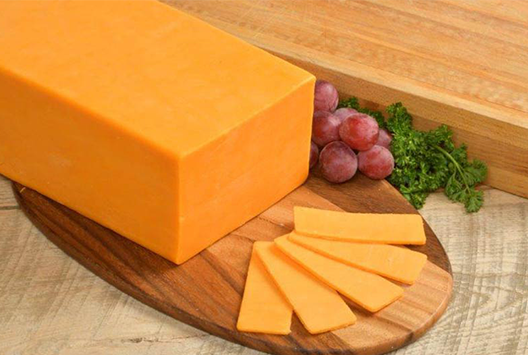
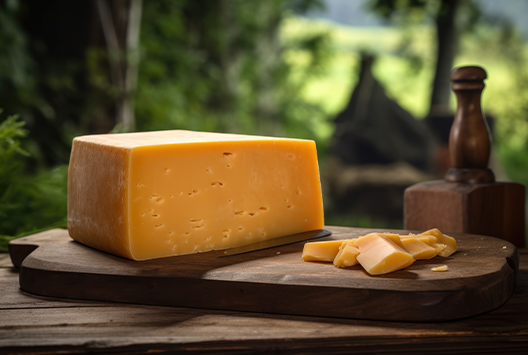
Cheddar cheese is a favorite among many, thanks to its sharp, tangy flavor and creamy, crumbly texture. This cheese has a long history, with its origins going back to the 12th century in England. It is made from cow's milk and comes in various colors — from white, yellow, and orange, to red and even black.Cheddar cheese is an essential ingredient in many dishes and adds flavor and texture to various recipes. This guide will explore everything you need to know about cheddar cheese — from its history and production process to the different types and uses.Where does cheddar cheese come from? Before dairy and beverage companies made it in bulk, cheddar cheese originated in the English village of Cheddar, located in Somerset, in the 12th century. Local cheese makers made cheddar cheese from local sheep's milk, which they kept for their wool. They stored the cheese in caves, which were naturally cool and moist, and the aging process gave the cheese its unique flavor. Over the years, cheddar cheese spread throughout England and beyond. Then, in the 19th century, it was exported to America. Today, cheddar cheese is produced worldwide, including in North America, Australia, and New Zealand. It has become one of the most widely-used cheeses in the world and is the star of many dishes such as macaroni and cheese and burgers.What are the different kinds of cheddar cheese? There are many kinds of cheddar cheese that differ in color, preparation, and flavor. Here are eight of the most common types of cheddar cheese manufactured by dairy and beverage companies today.1. Mild Cheddar: Mild cheddar is a pale yellow, semi-soft cheese with a mild and creamy flavor. It is aged for a short period, usually two to three months. It is ideal for grilled cheese sandwiches (or other wraps as well), salads, nachos, and quesadillas. 2. Medium Cheddar: Medium cheddar is a pale yellow cheese with a slightly sharp flavor. It is aged for four to six months. It is excellent for grating on portions of pasta, pizzas, and salads. 3. Sharp Cheddar: Sharp cheddar is a pale yellow cheese with a sharper flavor. It is aged for six to nine months and is a great option for cheeseburgers, baked potato dishes, cheesy dips, creamy soups, and vegetable casseroles. 4. Extra Sharp Cheddar: Extra sharp cheddar is a pale yellow cheese with a strong and sharp flavor. It is aged for 9-12 months and is excellent for grating on pasta, pizzas, and salads. It’s also great in quiches and savory tarts. 5. Smoked Cheddar: Smoked cheddar is a pale yellow cheese with a smoky flavor. It is aged for 6-9 months and is excellent for adding a smoky flavor to salads, soups, baked potatoes, and charcuterie boards.6. Aged Cheddar: Aged cheddar is a pale yellow cheese with a strong, sharp flavor. It is aged 12-18 months and is excellent for people who prefer a sharper taste in their dishes. It is ideal for gourmet cheese and crackers platters, cheddar and broccoli casserole, and many other dishes.7. White Cheddar: White cheddar is a white cheese with a mild, creamy flavor. It is aged two to three months and is excellent for sandwiches, salads, and snacks. It’s also ideal for pasta dishes and mashed potatoes. 8. Colby Cheddar: Colby cheddar is a pale yellow, semi-soft cheese with a mild, creamy flavor. It is aged two to three months and is excellent for sandwiches, wraps, quesadillas, omelets, quiches, and gratin recipes.  Cheddar never disappoints Cheddar is a cheese that is sure to please any palate. If you’re looking for a trusted dairy source in Qatar, Baladna is here for you. Baladna is a dairy and beverage company in Qatar that provides authentic, fresh, and high-quality dairy products. We produce our cheese from the milk we harvest from our own cattle farm to ensure uniform taste and quality in our offerings. Contact us to learn more. 

Blog All the Good Reasons Why You Should Eat More Yoghurt
16 August, 2024

All the Good Reasons Why You Should Eat More Yoghurt

Eating well may be challenging, but it must be known that eating healthy should be enjoyable and beneficial in all the right ways. For one, you can start by eating more yoghurt.Yoghurt is created from lactic acid-producing bacteria in cultured cream, milk, or both. Dietitians appreciate it because of its nutritional value and versatility. Read on as we learn more about the types of yoghurt, their advantages, how to choose the best one, and how to enjoy the different varieties. The 5 main advantages of consuming yoghurt1. Yoghurt is fillingYoghurt is high in protein and healthy fats. Both nutrients increase satiation after 15 minutes. In one study, it was found that consuming high-protein Greek yoghurt as an afternoon snack reduced hunger, enhanced fullness, and delayed supper.2. Yoghurt lowers the chance of developing Type 2 DiabetesYoghurt contains lactic acid bacteria, which may modify gut microbiota and minimize glycemic variability, or blood sugar variations. This benefit is only applicable if the yoghurt contains no added sugar.3. Yoghurt improves bone healthAn eight-ounce serving of plain yoghurt includes 415 milligrams of calcium, which is important for bone health. Calcium strengthens bones and is required for muscular contraction, nerve transmission, and cellular communication. Yoghurt contains high-quality protein, which helps develop strong bones and muscles.4. Yoghurt is heart-healthyAccording to one study, long-term use of fermented dairy products such as yoghurt (approximately two servings per week) lowers blood pressure and the risk of cardiovascular disease. The same nutrients that help the intestines also help the heart.5. Yoghurt is gentle on the stomachProbiotics in dairy yoghurt boost the immune system and gut health by maintaining "good bacteria" levels. These beneficial bacteria alleviate certain digestive symptoms by breaking down lactose. Comparing the different types of yoghurtThere are as many yoghurt varieties today and they can be grouped into three types: Greek yoghurt, plain (regular) yoghurt, and dairy-free yoghurt.- Greek Yoghurt: Greek yoghurt is the most popular form of yoghurt. A 7-ounce meal has 20 grams of protein on average. Greek yoghurt contains fewer carbohydrates and sugars due to the removal of whey during the straining process. - Plain Yoghurt: Plain or regular yoghurt is higher in calcium and lower in fat and calories than Greek yoghurt. Its protein content is high at 8 grams per cup.- Dairy-Free Yoghurt: Dairy-free users can enjoy yoghurt made using plant-based milk such as soy, cashew, almond, oat, and coconut milk. Vegan yoghurt has less protein than ordinary yoghurt and Greek yoghurt.The possible health risks of eating yoghurtYoghurt prepared with dairy will not agree with you if you are lactose intolerant or allergic to milk. Other plant-based solutions may suit your tastes.Yoghurt can interfere with the absorption of some drugs and medications, such as immunosuppressants and ciprofloxacin. As such, the consumption of yoghurt should be avoided or delayed until you have completed your dosage of those drugs. If you are taking medicine, you should check with your doctor before eating yoghurt.How to buy the healthiest yoghurt1. Choose unflavored, low-sugar yoghurtExamine the sugar content of all packaged foods. Yoghurt naturally includes 6-8 grams of sugar. To prevent consuming extra sugar, choose plain or unflavored yoghurt. Fruit and toppings can be added for flavor, sweetness, and fiber. Choose flavorful foods with no more than 11 grams of sugar per serving.2. Look for probioticsConsume probiotic-rich yoghurt. Choose yoghurts that contain "live cultures" or "active cultures" for maximum benefits. These bacteria are beneficial for people who suffer from irritable bowel syndrome and poor gut flora.3. Assess the fat contentFull-fat and low-fat yoghurts are both excellent. Always choose the appropriate alternative for you, and always remember to consume in moderation.Yoghurt is the way to goIf you are looking for more reasons to consume yoghurt, you have come to the right place. Yoghurt can be enjoyed creatively on a daily basis. To improve the flavor of yoghurt, simply experiment with toppings, use it as a base, add it to recipes, or eat it with your breakfast as a protein source. Do you want to reap the benefits of yoghurt? Baladna offers quality, farm-fresh dairy products that you and your loved ones can enjoy. Shop our wide collection of products today!