Blog Mozzarella Cheddar Mix: Cheesy Pasta Recipes
25 June, 2025

Mozzarella Cheddar Mix: Cheesy Pasta Recipes

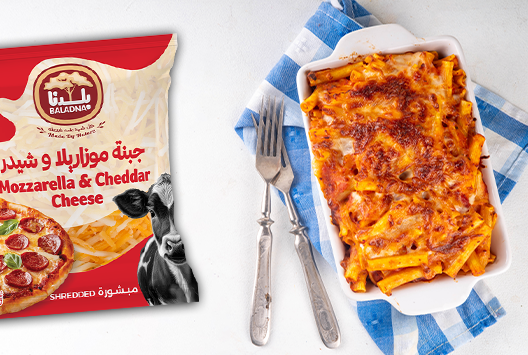
Who can resist a deliciously cheesy pasta dish? When it comes to putting together the ultimate comfort meal, the combination of mozzarella and cheddar is a game-changer. Mozzarella adds that stretchy, melty goodness, while cheddar offers a sharp, rich flavor that balances perfectly. 


Whether you're whipping up a quick weeknight dinner or looking to impress guests, these cheesy pasta recipes will hit the spot. 


1. Mozzarella Cheddar Eggplant Rolls

For a flavorful twist on pasta dishes, try eggplant rolls stuffed with cheesy goodness. Slice eggplants lengthwise, grill them, and stuff each slice with a mix of cooked pasta, mozzarella, cheddar, and marinara sauce. Roll them up, place them in a baking dish, top with extra cheese, and bake until bubbly. The mozzarella makes the filling creamy, while cheddar adds richness to every bite.


2. Three-Cheese Mac and Cheese

Mac and cheese is the ultimate comfort food, and with Baladna’s mozzarella-cheddar combo, it gets even better. Make a creamy roux base, then stir in both mozzarella and cheddar to create a velvety, gooey sauce. Pour over cooked elbow macaroni, top with breadcrumbs, and bake until golden. The combination of stretchy mozzarella and tangy cheddar makes every bite irresistible.


3. Cheesy Pesto Pasta

Looking for a quick, flavorful dish? Toss your favorite pasta with fresh basil pesto, then sprinkle a generous amount of mozzarella and cheddar. The mozzarella melts into the sauce, while the cheddar adds a satisfying sharpness, balancing the fresh flavors of the pesto.


4. Mozzarella Cheddar Stuffed Shells

For a show-stopping dish, stuffed shells are a great option. Fill large pasta shells with a creamy ricotta mixture and a blend of mozzarella and cheddar. Top with marinara sauce, more cheese, and bake until the shells are tender and the cheese is bubbly. 


5. Cheesy Potato Soufflé

For a comforting dish with a cheesy twist, this potato soufflé is a must-try. Whisk mashed potatoes with mozzarella and cheddar, along with some cream to create a fluffy soufflé base. Bake until golden and puffed up. The mozzarella gives the soufflé a light, melty texture, while the cheddar adds a punch of flavor, making this dish an irresistible side or main course.


A Final Cheesy Note


Whether you're making cheesy eggplant rolls, rich mac and cheese, or a delicious potato soufflé, the combination of mozzarella and cheddar adds the perfect balance of gooeyness and flavor to any pasta dish. 


For the finest shredded mozzarella and cheddar combo, be sure to check out our product on our website or at supermarkets near you in Qatar. Try these recipes for your next meal and enjoy the magic of this delicious cheese duo!
More Articles

Blog Majdoula Cheese: Perfect for Grilled Cheese
26 June, 2025

Majdoula Cheese: Perfect for Grilled Cheese

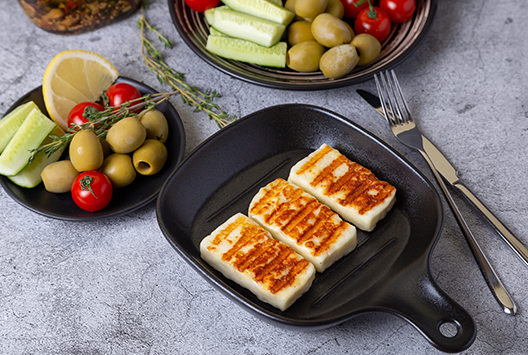
Majdoula cheese is a traditional Middle Eastern cheese with a distinctively braided shape, often compared to mozzarella for its semi-soft texture, yet it boasts a flavor profile that’s far more nuanced. Its name, “Majdoula,” comes from the Arabic word meaning "braided" or "twisted," referring to the way this cheese is shaped during production. Commonly enjoyed across Lebanon, Syria, and Jordan, this cheese is becoming increasingly popular worldwide. What Makes Majdoula Cheese Special?Majdoula cheese is typically made from sheep, cow, or goat milk, or a combination of these. The cheese has a slightly salty flavor, which develops through the process of being brined. Like many cheeses in the Middle East, Majdoula is soaked in salt water to preserve it and enhance its taste. The brining process also helps create its firm yet elastic texture, making it an ideal candidate for grilling.This cheese is often served fresh, with olive oil and herbs, but its true magic shines when heated. When grilled, Majdoula develops a crispy, golden crust while maintaining a creamy, gooey interior. This dual texture makes it ideal for creating an unforgettable grilled cheese sandwich.Why Majdoula Cheese is Perfect for Grilled CheeseGrilled cheese is about balancing flavors and textures, and Majdoula’s salty, rich taste makes it an excellent match for the job. The cheese’s stringy nature, thanks to its braided structure, melts evenly when heated, creating that stretchy pull that everyone loves in a grilled cheese sandwich.Here are a few reasons why Majdoula excels in a grilled cheese:Melting Point: While some cheeses may melt too quickly or not enough, Majdoula has a perfect melting point. It melts slowly, allowing it to retain some structure while still becoming soft and creamy inside.Texture: Its slightly firmer, fibrous texture before grilling contrasts beautifully with the soft, gooey consistency it takes on once melted.Flavor: The briny and slightly tangy taste of Majdoula adds a rich layer of flavor to a grilled cheese that can elevate it beyond the usual cheddar or mozzarella.How to Make a Majdoula Grilled CheeseMaking a grilled cheese with Majdoula is simple and rewarding. Here's a step-by-step guide to bring out the best of this cheese in your sandwich:1. Choose your bread: Go for a rustic bread like sourdough or a good country loaf. The crunchier the crust, the better it will complement the creamy texture of the cheese.2. Prepare the cheese: If your Majdoula cheese is fresh from the brine, give it a light rinse to remove excess salt. Slice or pull apart the braids to your desired thickness.3. Add your favorite toppings: You can pair Majdoula with roasted vegetables like tomatoes or zucchini, or add some fresh herbs like thyme or oregano. If you prefer a more decadent option, drizzle some olive oil or even honey for a sweet-savory contrast.4. Grill to perfection: Heat a pan with butter or olive oil on medium heat. Place the sandwich in the pan and let it cook slowly. Grill each side for 3-4 minutes or until golden brown and the cheese inside is melted.And don’t forget to serve and enjoy! If you love experimenting with cheeses or are just seeking a break from the usual grilled cheese, try Baladna Majdoula for your next meal. It’s a traditional cheese that adds both depth of flavor and a bit of culinary adventure to your plate.

Blog Is Mozzarella Cheese Healthy? We’ve Got Your Answer
13 May, 2024

Is Mozzarella Cheese Healthy? We’ve Got Your Answer

Mozzarella cheese is a type of cheese that is popular in Italian cuisine. It is made from cow's milk and is one of the most popular cheeses used in pizza, lasagna, and other Italian dishes. Many people are curious if mozzarella cheese is a healthy food choice, and the answer is that it can be! Let's learn more about this:It's a good source of proteinMozzarella is a great source of protein, providing 8 grams per one-ounce serving. This makes it a great choice for people looking to increase their protein intake. Protein plays an important role in building and maintaining muscle, and it's also essential for healthy skin, bones, and organs. Eating mozzarella can help you meet your protein needs without having to rely on other animal proteins such as beef or chicken.It's a good source of many essential minerals Mozzarella is rich in essential minerals like calcium, magnesium, and phosphorus. Calcium, crucial for strong teeth and bones, prevents decay and gum disease. Selenium in mozzarella protects cells, reduces inflammation, and supports the immune system, benefiting cognitive function. Additionally, the cheese boasts high Vitamin A content, promoting healthy eyes, skin, teeth, and gums, while aiding in new bone cell growth.It has less sodium than most other cheeses One of the most significant benefits of mozzarella cheese is that it has less sodium than most other cheeses. Sodium is an important mineral that helps regulate blood pressure, as well as fluid balance in the body. When consumed in excess, it can lead to a number of health problems, including hypertension and stroke. By choosing a low-sodium cheese like mozzarella, you can rest assured that you won’t be overloading your body with sodium.It's lower in saturated fatSaturated fats are types of fats that can raise cholesterol levels in the body and increase the risk of heart disease. However, mozzarella has a significantly lower amount of saturated fat than other cheeses. A single serving of regular mozzarella cheese (about 1.5 ounces) contains just 3.5 grams of saturated fat, compared to 7.5 grams in a serving of cheddar cheese. This makes mozzarella an excellent choice for those who need to watch their saturated fat intake.How much mozzarella should you eat in a day? If you’re looking to add some extra flavor and nutrition to your diet, mozzarella cheese is a great choice. But how much mozzarella should you eat each day?The answer really depends on your individual health needs and goals. For most healthy adults, the recommended daily intake of cheese is around 1.5 ounces. This amount provides a good balance between the health benefits of cheese and the potential risks associated with too much cheese.When it comes to mozzarella cheese specifically, 1.5 ounces is a good guideline. This amount provides around 100 calories, 7 grams of protein, and 6 grams of fat. It’s also a great source of calcium, phosphorus, and vitamin B12.If you’re looking for a little extra flavor and nutrition, you could add a few slices of mozzarella to your salads, sandwiches, or pizzas. You could also use mozzarella cheese to make delicious homemade pizzas, calzones, and even grilled cheese sandwiches.For those who are trying to lose weight, it’s important to keep in mind that cheese can be high in calories and fat. So if you’re trying to cut back on calories, you may want to limit your portion sizes.Say mozzarella!Mozzarella cheese can be considered a healthy food option when eaten in moderation. It is a good source of protein, calcium, and phosphorus, and is lower in fat and sodium than many other cheese varieties. That said, it is important to remember that consuming too much of any food, even one as healthy as mozzarella, can lead to weight gain and other health issues. It's also vital that you get your mozzarella cheese from a trusted dairy and beverage company like Baladna.Baladna cheese, including mozzarella, is fresh and high quality. Baladna is among the biggest cattle farms with about 24000 cows that are kept in a well-conditioned environment to ensure only the best dairy products. Try Baladna mozzarella cheese and other products today!

Blog How Long Can Yoghurt Be Stored After Opening The Packaging?
14 May, 2024

How Long Can Yoghurt Be Stored After Opening The Packaging?

Yoghurt is a nutritious and delicious dairy product that can be eaten on its own or used as an ingredient in various recipes. It is also known for its probiotic properties, which help maintain a healthy gut microbiome. However, once you open a container of yoghurt, it is important to consume it within a certain timeframe. Here, we will explore various factors that may affect your yoghurt’s shelf life. Factors that affect yoghurt shelf life1. TemperatureYoghurt should be stored in the refrigerator at a temperature of 40°F or below. If yoghurt is exposed to temperatures above this range, it can spoil faster.2. ContaminationOnce you open a container of yoghurt, it will be exposed to air and bacteria. This can increase the risk of contamination and spoilage.3. HandlingThe way you handle yoghurt can also affect its shelf life. If you use a dirty spoon or your hands to scoop out yoghurt, you can introduce bacteria that can cause spoilage.How long can you keep yoghurt after opening it?Generally, yoghurt can be kept for 7-10 days after opening - if stored properly. However, the actual shelf life of yoghurt can vary depending on several factors. If you notice any signs of spoilage, such as a sour smell, mold, or a change in texture, it is best to discard it.How to extend yoghurt shelf life1. Store it in the coldest part of the fridgeThe key to extending the shelf life of yoghurt is to keep it in a cool place. The back of the fridge is typically the coldest part, so store your yoghurt there. Avoid placing it near the door or on the top shelf, as these areas are often warmer and can cause your yoghurt to spoil more quickly.2. Use a clean spoon or spatulaWhen you're ready to enjoy your yoghurt, always scoop it out with a clean spoon or spatula. This will prevent bacteria from getting into the container and spoiling the rest of the yoghurt. Avoid using a dirty utensil, as this can introduce unwanted bacteria into the yoghurt.3. Don't leave the container openIt's important to avoid leaving the yoghurt container open for an extended period. This can cause the yoghurt to dry out and lose its flavor. Always seal the container tightly after you've finished using it, and return it to the fridge as soon as possible.4. Don't freeze yoghurtWhile it may be tempting to freeze your yoghurt to extend its shelf life, this is not recommended. Freezing can change the texture and flavor of the yoghurt, making it less enjoyable to eat. Instead, focus on using up the yoghurt before it expires.5. Don't leave it out at room temperatureYoghurt should always be stored in the fridge and shouldn’t be kept at room temperature for more than two hours. This can cause bacteria to grow, which can lead to food poisoning. If you're taking yoghurt on the go, keep it in a cooler or insulated bag to keep it cool.6. Consider buying smaller containers of yoghurtIf you find that you're often throwing away half-eaten containers of yoghurt, consider buying smaller containers. This will help reduce waste and ensure you're always eating fresh yoghurt. You can also buy larger containers and portion them into smaller ones to extend their shelf life.Don’t mishandle your yoghurt! It’s important to keep in mind that proper storage, handling, and temperature control can help extend yoghurt's shelf life. If you notice any signs of spoilage, it is best to discard the yoghurt to avoid the risk of foodborne illness. Looking for a trusted dairy and beverage company in Qatar? Turn to none other than Baladna. With one of the largest cattle farms in the region, Baladna offers authentic, fresh, and quality dairy products. These include fresh milk, yoghurt, cheese, labneh, and many more. Contact us today for more information.

Blog 2 Overlooked Tricks on How to Properly Store Cheese
08 October, 2024

2 Overlooked Tricks on How to Properly Store Cheese

Cheese is a beloved delight enjoyed all over the world, gracing the tables of fine dining restaurants and everyday kitchens alike. Its versatility knows no limits as it brings a distinct flavor and delightful texture to all kinds of recipes. Having said that, one must not overlook the importance of storing cheese correctly to preserve its taste, texture, and aroma.With a few simple tips and tricks, you can ensure that your cheese stays fresh and delicious for as long as possible. Read on to learn how to properly store cheese to keep it as fresh as ever. Wrapping it Storing cheese the right way is essential for preserving its flavor and texture. Cheese paper, waxed, or parchment paper are all great options to do just that. Wrapping cheese in these types of paper allows the cheese to “breathe,” meaning that it is protected from the elements while still allowing some air circulation. This helps keep the cheese moist and flavorful.Cheese paper is the ideal option for soft, semi-soft, and semi-hard cheeses. Cheese paper is specifically designed to keep cheese fresh and flavorful. It is made from cotton or linen and is lightly treated with a wax or mineral oil-based substance. Waxed or parchment paper are also suitable for storing soft (like the finest Greek feta cheese), semi-soft, and semi-hard cheeses (like Gouda). They are slightly less ideal than cheese paper, as they are not as breathable, but they still protect the cheese from the environment.No matter which type of paper you choose, it is essential to ensure the cheese is completely covered. It helps keep the cheese from drying out and losing moisture. It is also necessary to change the paper periodically to help keep the cheese in the best condition possible.Storing at the right temperatureTemperature is an essential factor in cheese's flavor and texture. While cold cheese can be enjoyed as a delicacy, cold temperatures may be needed to maintain the taste and texture of cheese. The best temperature for cheese is usually between 40 and 53°F. Cheese should always be stored in an airtight container, away from direct sunlight and other heat sources. A refrigerator is an ideal environment for cheese storage, though keeping the temperature between 40°F and 53°F  is necessary. Cheese likes to be kept at a cool, steady temperature. When cheese is stored below 40°F, the fats and proteins begin to separate. It can cause the texture of the cheese to become crumbly and dry. The flavor of the cheese can also become muted and less complex.When cheese is stored at temperatures above 53°F, it can spoil more quickly. It can cause the cheese to become slimy and the flavor to become bitter and unpleasant.Savor cheese and store with care!It is essential to understand the intricacies of proper cheese storage to ensure the long-term satisfaction of cheese lovers. Whether it be the finest Greek feta cheese or classic cheddar, adequate storage is key. With the proper knowledge of the appropriate temperature, humidity, and packaging, cheese lovers can enjoy their favorite cheese for months, if not years, to come.Now that you know how to store cheeses properly, you can confidently buy the finest cheeses out there with Baladna. Our 24,000 cows are in a comfortable and well-conditioned environment, making their cheeses one of the best in the market. Shop now!