Blog Prep the Night Before
26 August, 2026

Prep the Night Before

Set out the lunchbox, water bottle and school essentials before bedtime. One less thing for Mom to worry about in the morning.


More Articles

Blog Goat vs. Cow Milk Cheese: What Are the Main Differences?
14 May, 2024

Goat vs. Cow Milk Cheese: What Are the Main Differences?

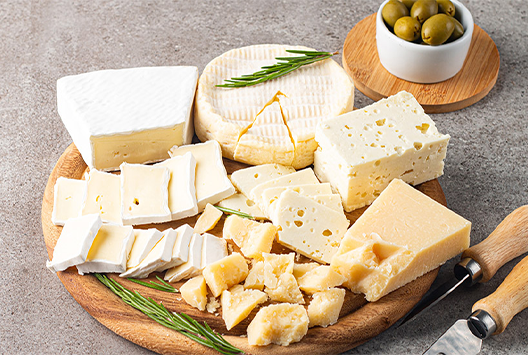
Cheese coming from cow's milk or goat's milk may seem like distant cousins at first glance, but they are actually quite different! Do you know what these differences are? Fortunately for you, we’ve pointed out some of them below. Are you ready for some cheesy knowledge?Goat Cheese: What is it?Any cheese made solely from goat's milk is known as goat cheese or chèvre in French. Goat milk has a low casein content, which results in tiny, breakable curds. Goat cheese can turn chalky, brittle, or earthy as it matures. Goat cheese is typically creamy, spreadable, and tart when young. Because it contains a lot of vitamin A, goat cheese appears slightly brighter. This type of cheese is also packed with vitamins E, K, B6, and B3 (niacin). The taste of goat cheese is quite unique because of the presence of medium-chain fatty acids like caprylic and capric acid.There are three critical differences between cheese made with goat’s milk and that made with cow's milk. We’ve listed them below: Nutrition: Goat milk has a slight edge over bovine dairy regarding fat and nutrients but is lower in lactose, vitamin D, and riboflavin. Cow's milk has more giant lipid molecules than goat's milk, which makes it harder to process and gives it a heavier texture. Lactose-sensitive people might be able to consume goat's milk cheese because it has smaller fat molecules and less lactose than cow's milk cheese.Flavor: Cow's milk is preferred for cheese production because of its mild, neutral flavor and more cohesive protein structure. Compared to cow's milk cheese, goat cheese tends to be smoother and tangier.Accessibility: Cow's milk cheese is much more widely accessible. While goat's milk is usually produced locally in small batches, cow's milk is less expensive and more widely available.Popular slices of cheese made from cow's milkFrom cow's milk, a variety of well-known cheeses are produced, including: Fresh Cow CheesesThe best cheeses are those that can be spread and are produced from fresh cows. Many new pieces of cheese are usually made with cow's milk, such as quark in Austria, cream cheese in the United Kingdom, mascarpone in Italy, queso fresco in Mexico, cottage cheese in the United States, and fromage blanc in France. Soft and Semi-Soft Cow CheesesCow cheeses that are soft or semi-soft have a creamy texture and maintain their form. French cheese like Brie, Camembert, and Port Salut are a few of these. American cheeses Wisconsin Brick and Monterey Jack are also included.Blue Cheeses Blue growing lines on cheese make it easy to identify. The British delicacies Gorgonzola and Stilton (from Italy) are the most well-known blue cheeses made from cow’s milk.Hard and Semi-Hard Cow CheesesThe finest aged hard or semi-hard cow cheeses have a firm texture, making them perfect for slicing and grating. Emmental from Switzerland, Gruyère from France, Swiss and Colby from the United States, Cheddar from the United Kingdom, Gouda and Edam from the Netherlands, and Parmesan and Provolone from Italy are some of the hard bovine cheeses available today (Italy).High-Fat CheesesThe rind of high-fat cheeses contains a soft, cream-like material. Double cream (over 60% fat content) and triple cream (over 72%) are high-fat cheeses resembling Brie but are much heavier. These include cheeses like Brillat-Savarin, Explorateur, Gratte-Paille, and others from the French Fin-de-Siècle period.Common Goat's Milk CheesesThe chèvre - a soft, spreadable raw cheese - comes to mind when we think of goat's milk cheese. However, almost any type of cheese can be made with goat's milk, including:- Crottin de Chavignol is a type of hard goat cheese (France)- Goat cheeses that melt quickly, such as Chabichou, Cabécou, and Banon (France)- French blue goat cheeses include Humboldt Fog and Valençay


Blog Part 1: When is the Best Time to Drink Milk?
07 September, 2026

Part 1: When is the Best Time to Drink Milk?

Milk is a nutrient-rich beverage that has been consumed by humans for thousands of years. It is an excellent source of calcium, protein, and other essential vitamins and minerals for good health. However, many people wonder when the best time to drink milk is and whether timing matters. But is there even an ideal time to drink milk? Here’s what you need to know: Does timing matter?Ayurvedic medicine states that drinking milk at night is the best time. Since the substance is heavy to digest, people should not consume it in the morning. Instead, they should harness its sleep-inducing effects at night to get better sleep.The timing of milk consumption can affect the body differently, depending on the individual's health goals. However, milk consumption produces various effects, making it easier for people to decide whether to drink it. Here are some ideas.1. General HealthFor general health, it is recommended that people consume milk throughout the day as a part of a balanced diet. Milk is an excellent calcium source, which is essential for strong bones and teeth. It also contains vitamin D, which helps the body absorb calcium.By consuming milk throughout the day, people can ensure their bodies get the nutrients they need. It is essential for growing children and teenagers to drink milk as their bones are still developing. Milk can also help prevent fractures and other bone-related injuries.2. Weight LossLosing weight is a challenge that many people face. There are various strategies that people can adopt to lose weight, such as increasing their physical activity, following a healthy diet, and reducing their calorie intake. Another effective way to lose weight is by consuming milk. Milk is an excellent source of nutrients, including calcium, protein, and vitamins. These nutrients are essential for maintaining good health and aiding in weight loss.3. Muscle GainIf you are trying to gain muscle, you probably already know that a proper diet is essential. Consuming enough protein and carbohydrates is crucial for muscle growth and recovery. And milk can help you achieve your muscle-building goals.Milk is an excellent source of protein, containing about 8 grams of protein per cup. The protein is made up of two types: whey and casein. Whey protein is quickly digested and absorbed by the body, while casein protein is slowly digested and provides a steady stream of amino acids to the muscles.4. Improving DigestionMany people suffer from digestive issues like bloating, constipation, and indigestion. These issues can be uncomfortable and disruptive to daily life. Fortunately, there are several ways to improve digestion and that includes consuming warm milk before bed.Warm milk has been a natural remedy for centuries to promote better digestion. It has a soothing effect on the digestive system, which can help alleviate discomfort and promote healthy bowel movements. Warm milk is also rich in nutrients that help support a healthy gut microbiome.5. Other Nutritional NeedsFor people with other nutritional needs, such as those who are lactose intolerant or have allergies, the timing of milk consumption may not matter as much. These individuals can consume alternative milk products like soy, almond, or oat milk anytime.Embrace the night with milky delight It is best to drink milk at night. Aside from giving the stomach the time it needs to digest it throughout the evening, it also ensures that people drinking it will get the best benefits, such as achieving better sleep or a more favorable sleeping cycle. But what are the other benefits of drinking milk at night? Read more about this in the second part of this two-part article series.Are you looking for authentic, high-quality dairy products sourced from a farm that cares about animal welfare? Look no further than Baladna Farm. Our commitment to animal welfare translates into products that are not only delicious but also healthy. Visit our website today and shop for the best dairy products.

Blog Food Watch: How Long Can I Leave My Block of Cheese Out?
14 May, 2024

Food Watch: How Long Can I Leave My Block of Cheese Out?

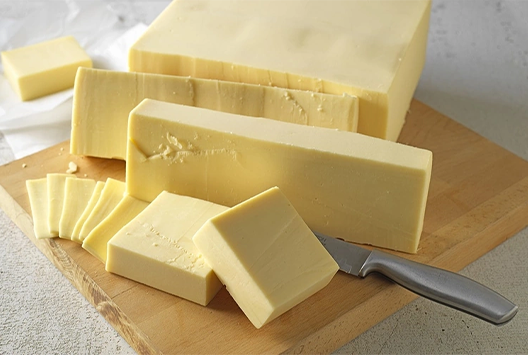
Cheese is a favorite among many, but not everyone cares for their cheese as much as they should. Everybody knows that leaving out uneaten food is terrible because it can lead to food contamination, mold growth, and it can attract pests. The same can be said about leaving certain foods unrefrigerated and that includes cheese. But worry not, we’re going to dive deep into storing tips and tricks regarding your favorite cheese. What is cheese? People make cheese by taking milk and introducing bacteria to it to create an acidic environment. This environment separates the milk into a solid curd and a liquid whey. They’ll cook, cut, and press the curd together to produce more whey. Next, they’ll add salt and other flavorings and let the dairy product age for several weeks or even longer to create cheese. How long have people been making cheese? People have been crafting cheese for thousands of years without mechanical refrigeration. Aging is a crucial part of the process, where they store blocks of cheese at moderate temperatures and leave them to mature for long periods. This step is critical in developing the best-tasting cheese and can take weeks, months, or even years. Can cheese go bad? The good news is that pasteurized cheese won’t likely cause stomach problems, even if you leave it out for a few days. People have pasteurized the milk used to make the cheese, which means they heated it to kill potentially harmful bacteria. However, if you leave it out for an extended time, the dairy product can spoil, and the bacteria will change its color, texture, flavor, and aroma. You must also be more careful with unpasteurized cheeses like Brie, Camembert, Feta, and other fresh cheeses as foodborne illnesses are more present. Such cheeses can be contaminated with different bacteria such as E. coli, salmonella, and listeria. Why can’t it go bad?The oldest and most common food preservation technique removes the water and oxygen bacteria needed to survive. It works best for cheese because it squeezes most of the water. Unfortunately, like most things, cheese can experience mold growth because of spores. Luckily, you can cut off the moldy parts, and the rest of the dairy product is safe to eat. While keeping certain cheeses at room temperature will not cause food poisoning, its quality will suffer because of the drying out and fat separation. Hard vs. Soft CheeseWhen it comes to storing, the type of cheese is the most important consideration. Hard cheeses will last longer and are less likely to cause health issues. However, soft cheeses - such as Brie, cream cheese, ricotta and others - must be handled more carefully. These cheeses, as well as unripened cheeses - such as halloum and akawi - should remain refrigerated at all times. They can be kept out for two hours tops. How long can you let cheese sit out? Depending on its type, cheese can stay out of the refrigerator for two hours tops if you store it in a cool place. You should store fresh, unripened cheeses in the fridge, while aged dairy products can stay out for up to a day. Moreover, anything you can’t eat within a day belongs in the refrigerator.Keeping it safe and cheesyCheese remains a popular dairy product because of its versatility and flavor. You can enjoy this food better by storing it properly and knowing how to use it for different foods. At Baladna, we strive to bring Qatar the freshest and most authentic products to help people enjoy their meal times better. Browse through our products today!