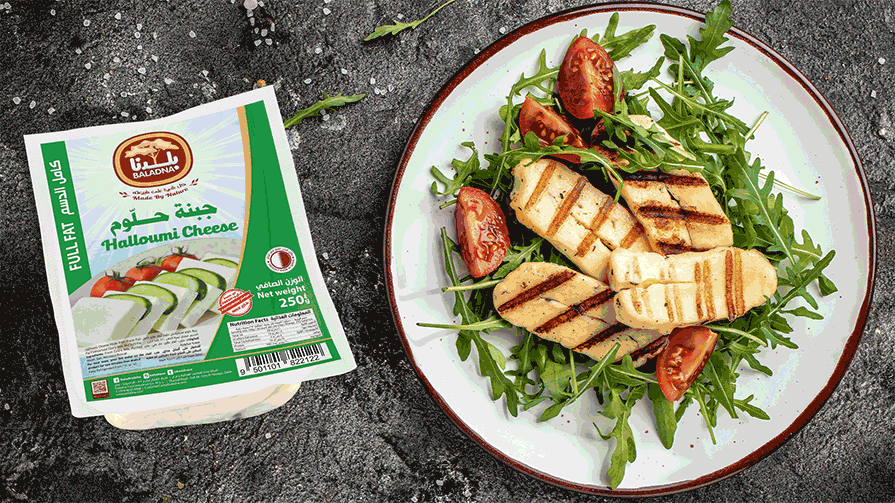
Blog Grilled Halloumi Cheese: Perfectly Delicious Recipes
24 June, 2025

Grilled Halloumi Cheese: Perfectly Delicious Recipes

Similar

Halloumi cheese is loved around the world for its unique texture and salty flavor. Originating from Cyprus, this semi-hard cheese stands out because it doesn’t melt when grilled. Instead, it develops a golden, crispy outside with a soft, chewy center. Whether you’ve enjoyed halloumi before or are just getting started, learning to grill it perfectly will take your meals to the next level.


How to Grill Halloumi

Grilling halloumi is simple and quick. Here’s how to get it just right:

  • Heat the Grill or Pan: Preheat your grill or pan so it’s nice and hot. This will help the halloumi get that perfect sear.

  • Slice the Halloumi: Cut the cheese into thick slices, about 1/3 to 1/2 inch thick. Thicker slices stay firm, while thinner slices may fall apart.

  • Oil It (Optional): While halloumi doesn’t require oil, brushing it with a little olive oil can add flavor and prevent sticking.

  • Grill It: Place the slices directly on the grill or pan. Cook for about 2-3 minutes on each side, or until they turn golden-brown.

  • Serve Immediately: Grilled halloumi tastes best when it’s hot and fresh. Enjoy it right off the grill for the best texture and flavor.


Grilled Halloumi Recipe Inspos

Once you’ve grilled your halloumi, there are endless ways to enjoy it. Here are a few easy ideas:


1. Grilled Halloumi Salad

Toss your grilled halloumi into a fresh salad with kale, tomatoes, cucumbers, parsley, and quinoa. Drizzle a lemon-orange dressing over the top for a zesty touch. The salty halloumi pairs perfectly with the crisp veggies, creating a deliciously balanced meal.


2. Halloumi Skewers

Thread grilled halloumi onto skewers along with bell peppers, zucchini, and cherry tomatoes. Grill until lightly charred and serve with a side of hummus for dipping. The combination of smoky veggies and salty cheese makes for a flavorful, easy-to-eat snack.


3. Halloumi and Avocado Toast

Upgrade your avocado toast by adding slices of grilled halloumi on top. The creamy avocado and salty halloumi make for a satisfying snack or light meal that’s perfect for any time of day.


4. Halloumi Burgers

Replace the usual burger patty with a slice of grilled halloumi in your next burger. Top it with roasted veggies and a garlic red pepper aioli for a flavorful and delicious twist on the classic burger.


5. Grilled Halloumi with Pesto Ciabatta

Take your grilled halloumi and toasted ciabatta and spread a generous amount of pesto on each half. Layer the grilled halloumi on the bottom half, add a handful of fresh arugula or spinach, and top with the other half of the ciabatta. For extra flavor, you can add sliced tomatoes, sundried tomatoes, or roasted red peppers. 


Final Thoughts

Grilled halloumi is a delicious and easy way to elevate your meals. Try Baladna Halloumi today and enjoy the simple pleasure of perfectly grilled halloumi!



More Articles

Blog Is It Safe to Consume Cheese If You Have Heart Disease?
17 November, 2024

Is It Safe to Consume Cheese If You Have Heart Disease?

As one of the most beloved and versatile dairy products, cheese has been a staple in many people's diets for centuries. However, for those with heart diseases, the question of whether cheese is safe to consume remains a concern. This article will explore the relationship between cheese and heart disease and provide insights into whether cheese should be included in a heart-healthy diet.Understanding heart diseaseThe term heart disease may refer to various conditions that affect the heart, including heart failure, coronary artery disease, arrhythmia, and valve disease. These conditions can lead to complications such as heart attacks, strokes, and even death. According to the American Heart Association, heart disease is the leading cause of death in the United States, responsible for one in four deaths each year.The role of diet in heart diseaseDiet plays a crucial role in the development and management of heart disease. Unhealthy eating habits, such as consuming too many saturated and trans fats, sodium, and added sugars, can increase the risk of heart disease. On the other hand, a heart-healthy diet that includes fruits, vegetables, whole grains, lean proteins, and healthy fats can reduce the risk of heart disease and improve overall heart health.Cheese and heart disease: What the experts sayCheese is a rich source of calcium, protein, and vitamins, making it a popular food choice for many. However, cheese is also high in saturated fat, which has been linked to an increased risk of heart disease. The American Heart Association recommends that people limit their intake of saturated fat to less than 6% of total daily calories to reduce the risk of heart disease.A study published in the journal Nutrition, Metabolism, and Cardiovascular Diseases found that consuming high amounts of cheese was associated with an increased risk of cardiovascular disease. The study followed 36,000 participants over ten years and found that those who consumed the most cheese had a 14% higher risk of developing heart disease than those who consumed the least.However, not all studies have found a link between cheese consumption and heart disease. A meta-analysis of 29 studies published in the European Journal of Epidemiology found that cheese consumption was not associated with an increased risk of heart disease or stroke. The researchers noted that some types of cheese, such as hard cheese, may even have a protective effect against heart disease.Moderation is keyWhen it comes to cheese and heart disease, moderation is key. While some studies have found a link between high cheese consumption and an increased risk of heart disease, other studies have found no association or even a protective effect. The type of cheese, serving size, and overall diet are all factors that can impact the relationship between cheese and heart disease.As mentioned before, you may need to limit your intake of saturated fat to less than 6% of total daily calories. This can be achieved by choosing lower-fat cheese options, such as reduced-fat or fat-free cheese, and by consuming cheese in moderation. The recommended serving size for cheese is one ounce, which is about the size of a pair of dice.Incorporating cheese into a heart-healthy dietIncorporating cheese into a heart-healthy diet is possible for those with heart disease or those looking to reduce their risk. Choosing lower-fat cheese options, such as reduced-fat or fat-free cheese, can help reduce saturated fat intake. Pairing cheese with fruits, vegetables, and whole grains can also help balance the overall nutrient profile of a meal.Some types of cheese may even provide health benefits. For example, cheese made from grass-fed cows may contain higher levels of omega-3 fatty acids, which have been linked to a reduced risk of heart disease. Cheese made from goat or sheep milk may also be a good alternative for those who are lactose intolerant or sensitive to cow's milk.Buying high-quality cheese While cheese can be a delicious and nutritious addition to a well-balanced diet, those with heart disease or at risk of heart disease should consume cheese in moderation. Choosing lower-fat cheese options and pairing cheese with fruits, vegetables, and whole grains can help reduce saturated fat intake and provide a more balanced nutrient profile. By incorporating cheese into a heart-healthy diet, individuals can continue enjoying this beloved dairy product while promoting overall heart health.If you are looking for the best cheese for your diet, look no further than our healthy selections here at Baladna. We are 100% Qatari, and we have one of the largest cattle farms in the region, providing authentic, fresh and quality dairy products. Browse through our website for more!

Blog All You Need To Know About Cheddar Cheese: Our Guide
16 August, 2024

All You Need To Know About Cheddar Cheese: Our Guide

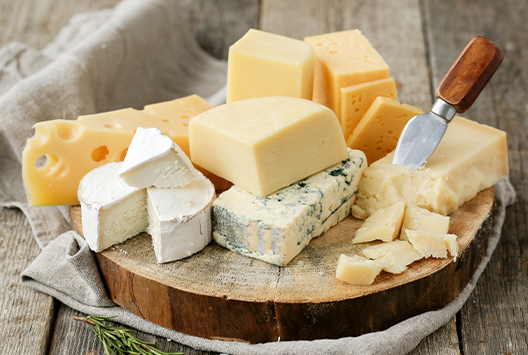
Cheddar cheese is a favorite among many, thanks to its sharp, tangy flavor and creamy, crumbly texture. This cheese has a long history, with its origins going back to the 12th century in England. It is made from cow's milk and comes in various colors — from white, yellow, and orange, to red and even black.Cheddar cheese is an essential ingredient in many dishes and adds flavor and texture to various recipes. This guide will explore everything you need to know about cheddar cheese — from its history and production process to the different types and uses.Where does cheddar cheese come from? Before dairy and beverage companies made it in bulk, cheddar cheese originated in the English village of Cheddar, located in Somerset, in the 12th century. Local cheese makers made cheddar cheese from local sheep's milk, which they kept for their wool. They stored the cheese in caves, which were naturally cool and moist, and the aging process gave the cheese its unique flavor. Over the years, cheddar cheese spread throughout England and beyond. Then, in the 19th century, it was exported to America. Today, cheddar cheese is produced worldwide, including in North America, Australia, and New Zealand. It has become one of the most widely-used cheeses in the world and is the star of many dishes such as macaroni and cheese and burgers.What are the different kinds of cheddar cheese? There are many kinds of cheddar cheese that differ in color, preparation, and flavor. Here are eight of the most common types of cheddar cheese manufactured by dairy and beverage companies today.1. Mild Cheddar: Mild cheddar is a pale yellow, semi-soft cheese with a mild and creamy flavor. It is aged for a short period, usually two to three months. It is ideal for grilled cheese sandwiches (or other wraps as well), salads, nachos, and quesadillas. 2. Medium Cheddar: Medium cheddar is a pale yellow cheese with a slightly sharp flavor. It is aged for four to six months. It is excellent for grating on portions of pasta, pizzas, and salads. 3. Sharp Cheddar: Sharp cheddar is a pale yellow cheese with a sharper flavor. It is aged for six to nine months and is a great option for cheeseburgers, baked potato dishes, cheesy dips, creamy soups, and vegetable casseroles. 4. Extra Sharp Cheddar: Extra sharp cheddar is a pale yellow cheese with a strong and sharp flavor. It is aged for 9-12 months and is excellent for grating on pasta, pizzas, and salads. It’s also great in quiches and savory tarts. 5. Smoked Cheddar: Smoked cheddar is a pale yellow cheese with a smoky flavor. It is aged for 6-9 months and is excellent for adding a smoky flavor to salads, soups, baked potatoes, and charcuterie boards.6. Aged Cheddar: Aged cheddar is a pale yellow cheese with a strong, sharp flavor. It is aged 12-18 months and is excellent for people who prefer a sharper taste in their dishes. It is ideal for gourmet cheese and crackers platters, cheddar and broccoli casserole, and many other dishes.7. White Cheddar: White cheddar is a white cheese with a mild, creamy flavor. It is aged two to three months and is excellent for sandwiches, salads, and snacks. It’s also ideal for pasta dishes and mashed potatoes. 8. Colby Cheddar: Colby cheddar is a pale yellow, semi-soft cheese with a mild, creamy flavor. It is aged two to three months and is excellent for sandwiches, wraps, quesadillas, omelets, quiches, and gratin recipes.  Cheddar never disappoints Cheddar is a cheese that is sure to please any palate. If you’re looking for a trusted dairy source in Qatar, Baladna is here for you. Baladna is a dairy and beverage company in Qatar that provides authentic, fresh, and high-quality dairy products. We produce our cheese from the milk we harvest from our own cattle farm to ensure uniform taste and quality in our offerings. Contact us to learn more. 

Blog An Intro To Feta Cheese & Why It Should Be Part Of Your Diet
01 September, 2024

An Intro To Feta Cheese & Why It Should Be Part Of Your Diet

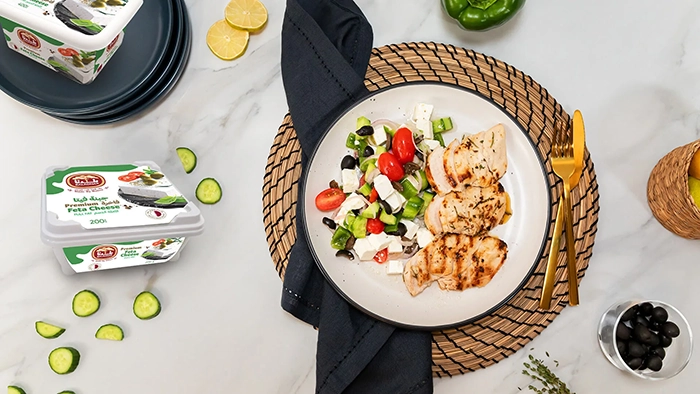
Feta cheese is an aged, white cheese that has been around for centuries. It is believed to have originated in the area of Greece known as Macedonia, although it is now produced in numerous other countries worldwide. Feta cheese is made from sheep's milk, which gives it its distinctive flavor. It is also sometimes made from a combination of sheep's and goat's milk.The cheese is aged in a brine solution of salt, water, and vinegar, which gives feta its characteristic salty flavor. The brine also helps preserve the cheese and gives it a firmer texture. Once aged, feta cheese can be cut into cubes, crumbled, or sliced. It is often used as a topping for salads and pizzas, as well as in Greek dishes such as spanakopita.But, how much do you really know about feta cheese? We’re here to tell you: Why you should eat feta cheeseCalcium and B-12Feta cheese is an excellent source of calcium, which is essential for strong bones and teeth. Calcium can also help reduce the risk of osteoporosis and other age-related bone diseases. Feta cheese is also a good source of phosphorus, which is important for healthy bones, teeth, and muscles. In addition, feta cheese contains Vitamin B-12, which helps form red blood cells and helps maintain a healthy nervous system.ProteinFeta cheese is also a good source of protein. Protein is essential for muscle growth and maintenance. Eating feta cheese can help provide the necessary protein for a balanced diet. Feta cheese is also low in fat, with only around three to four grams of fat per one-ounce serving. This makes feta cheese an excellent choice for those trying to watch their fat intake.ProbioticsFeta cheese also contains probiotics, which are beneficial bacteria that can help promote digestion and boost the immune system. Eating feta cheese can also help reduce inflammation in the body and can help protect against certain diseases.How to eat feta cheeseThere are many delicious ways to enjoy feta cheese. One of the most popular is to use it as a topping on salads or pizzas. Feta cheese pairs well with other ingredients like tomatoes, olives, and onions. It can also be added to sandwiches, wraps, and burgers for a delicious and salty twist.Another way to enjoy feta cheese is by making a dip. Feta cheese is often combined with herbs and spices like garlic, oregano, parsley, and red pepper flakes to create a delicious dip that can be served with chips, crackers, or vegetables. It can also be used as a spread on sandwiches or wraps. Feta cheese can also be used in baking. It can be added to muffins, scones, and other baked goods for a salty and tangy flavor.The best part about feta cheese is that it can be enjoyed as a snack on its own. Feta cheese is often cubed or crumbled and served with olives, tomatoes, and other vegetables. It can also be served with crackers and a drizzle of olive oil.The bottom lineFeta cheese is a delicious and nutritious food that can be enjoyed in various dishes. Eating feta cheese can help provide the body with the nutrients it needs while also adding a unique flavor to dishes.Baladna is 100% Qatari. We own one of the largest cattle farms in the region, spreading over an area of 2.6 million sqm. We provide authentic, fresh, and quality dairy products. If you are looking for delicious and high-quality food, Baladna products are the right choice for you. Check out our website for more information. 

Blog 2 Overlooked Tricks on How to Properly Store Cheese
08 October, 2024

2 Overlooked Tricks on How to Properly Store Cheese

Cheese is a beloved delight enjoyed all over the world, gracing the tables of fine dining restaurants and everyday kitchens alike. Its versatility knows no limits as it brings a distinct flavor and delightful texture to all kinds of recipes. Having said that, one must not overlook the importance of storing cheese correctly to preserve its taste, texture, and aroma.With a few simple tips and tricks, you can ensure that your cheese stays fresh and delicious for as long as possible. Read on to learn how to properly store cheese to keep it as fresh as ever. Wrapping it Storing cheese the right way is essential for preserving its flavor and texture. Cheese paper, waxed, or parchment paper are all great options to do just that. Wrapping cheese in these types of paper allows the cheese to “breathe,” meaning that it is protected from the elements while still allowing some air circulation. This helps keep the cheese moist and flavorful.Cheese paper is the ideal option for soft, semi-soft, and semi-hard cheeses. Cheese paper is specifically designed to keep cheese fresh and flavorful. It is made from cotton or linen and is lightly treated with a wax or mineral oil-based substance. Waxed or parchment paper are also suitable for storing soft (like the finest Greek feta cheese), semi-soft, and semi-hard cheeses (like Gouda). They are slightly less ideal than cheese paper, as they are not as breathable, but they still protect the cheese from the environment.No matter which type of paper you choose, it is essential to ensure the cheese is completely covered. It helps keep the cheese from drying out and losing moisture. It is also necessary to change the paper periodically to help keep the cheese in the best condition possible.Storing at the right temperatureTemperature is an essential factor in cheese's flavor and texture. While cold cheese can be enjoyed as a delicacy, cold temperatures may be needed to maintain the taste and texture of cheese. The best temperature for cheese is usually between 40 and 53°F. Cheese should always be stored in an airtight container, away from direct sunlight and other heat sources. A refrigerator is an ideal environment for cheese storage, though keeping the temperature between 40°F and 53°F  is necessary. Cheese likes to be kept at a cool, steady temperature. When cheese is stored below 40°F, the fats and proteins begin to separate. It can cause the texture of the cheese to become crumbly and dry. The flavor of the cheese can also become muted and less complex.When cheese is stored at temperatures above 53°F, it can spoil more quickly. It can cause the cheese to become slimy and the flavor to become bitter and unpleasant.Savor cheese and store with care!It is essential to understand the intricacies of proper cheese storage to ensure the long-term satisfaction of cheese lovers. Whether it be the finest Greek feta cheese or classic cheddar, adequate storage is key. With the proper knowledge of the appropriate temperature, humidity, and packaging, cheese lovers can enjoy their favorite cheese for months, if not years, to come.Now that you know how to store cheeses properly, you can confidently buy the finest cheeses out there with Baladna. Our 24,000 cows are in a comfortable and well-conditioned environment, making their cheeses one of the best in the market. Shop now!