Fat-Free vs. Full-Fat Milk: Which is the Better Option?


Milk is a highly favored drink across the globe. You can drink it straight, pour it over cereals, or add it to various dishes, providing a healthy addition to your meals.
There are numerous types of milk available in the market, making it difficult to know which one to choose. Two of the most common options include fat-free milk and whole milk. So how about we explore the nutritional differences between these two varieties to help you decide which one is right for you?
What is fat-free milk?
Fat-free milk is exactly what it sounds like — milk that has had all of its fat removed. This process is typically achieved through a machine called a centrifuge, which separates the fat from the milk. The resulting product is a virtually fat-free drink, with less than 0.5% fat content.
What is whole milk?
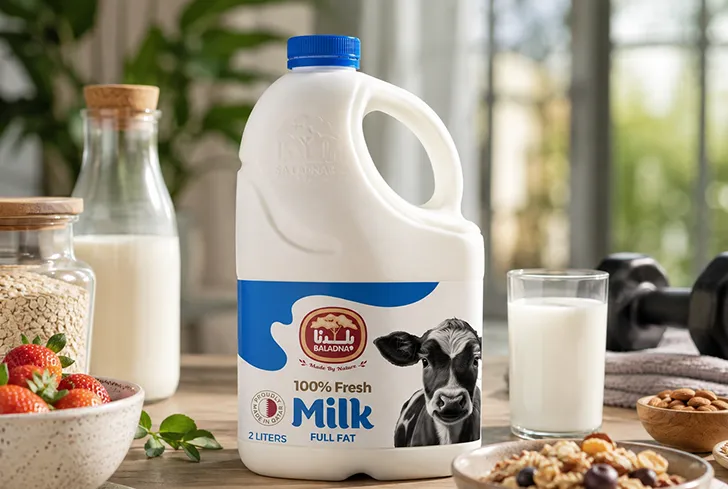
Whole milk, also called full-fat milk, is milk that has not had any fat removed. It typically contains around 3.5% fat, although this can vary slightly depending on the brand and the cow's diet.
Nutritional Differences
Now that we know what fat-free milk and whole milk are, let's take a look at the nutritional differences between the two.
1. Calories
When it comes to calories, fat-free milk is the clear winner. One cup contains just 83 calories, while a cup of the latter contains 149 calories. If you're trying to lose weight or maintain a healthy weight, opting for fat-free milk instead of whole milk can be a simple method to reduce calorie intake while still enjoying the flavor. While fat-free milk has the advantage in terms of calories, it's important to note that there are some benefits to drinking whole milk as well. These benefits include:
- Improved vitamin absorption: Many of the vitamins found in milk, such as vitamins A and D, are fat-soluble. This means they are better absorbed by the body when consumed with fat. Drinking whole milk can help ensure your body gets the most out of these important nutrients.
- Increased satiety: Fat is a nutrient that helps you feel full and satisfied after a meal. If you're drinking fat-free milk and find that you're still hungry after finishing your glass, switching to a full-fat one may help you feel more satiated.
- Better taste: Let's be honest: full-fat milk just tastes better than fat-free ones. The fat in whole milk gives it a creamy, rich flavor that is hard to replicate in fat-free milk. If you're someone who really enjoys the taste of milk, it may be worth choosing whole milk over fat-free milk simply for the flavor.
2. Protein
Both fat-free milk and whole milk are excellent sources of protein, with around 8 grams of protein per cup. Protein is an essential nutrient that helps build and repair tissue in the body, making it an important part of any healthy diet.
3. Calcium
Calcium is another important nutrient found in both fat-free milk and whole milk. A cup of fat-free milk contains around 300 milligrams of calcium, while a cup of whole milk contains slightly less, at around 276 milligrams. Calcium is essential for strong bones and teeth, making milk an important part of any bone-healthy diet.
So, what’s your choice?
Which is better: fat-free milk or whole milk? The answer, as with most things, is that it depends on your individual needs and preferences. If you're looking to cut calories or reduce your fat intake, fat-free milk is a great option. However, if you enjoy the taste of milk and want to take advantage of the full-fat milk benefits, whole milk may be the way to go. Whatever you choose, incorporating milk into your diet is an easy way to ensure that you're getting important nutrients like protein and calcium.
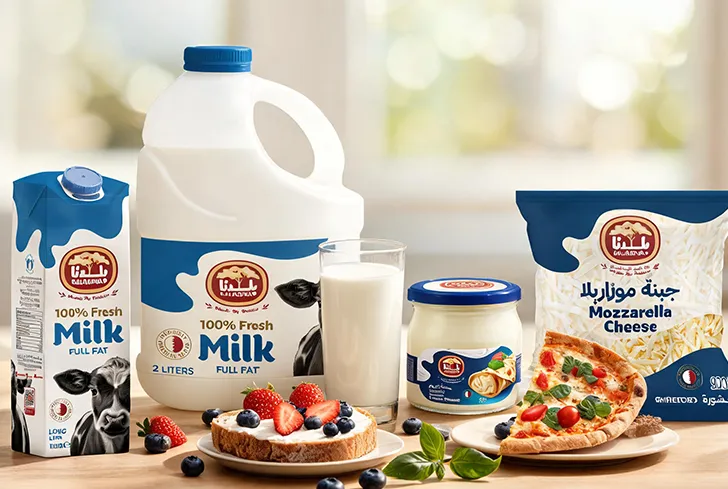
Upgrade your dairy game with Baladna's 100% Qatari and high-quality milk products. As one of the largest cattle farms in the region, we guarantee authenticity and freshness in every sip. Get your hands on Baladna milk products today and experience the difference.