Blog End the Day With a Little Ritual
26 August, 2026

End the Day With a Little Ritual

After school, make time for something small together: a snack, a chat, or simply sitting down for a few minutes. It helps kids transition from school mode to home mode.


More Articles

Blog Say Cheese: How To Keep Your Cheese At Its Best
11 September, 2026

Say Cheese: How To Keep Your Cheese At Its Best

Picture this: you walk into your local cheese counter, eyes filled with wonder at the diversity. Excitedly, you bring your treasures home, only to forget about them in the depths of your fridge for weeks. When you finally remember your cheese, you're greeted with fuzzy mold patches. We know what a disappointment that can be and that’s why we’ve put together this article, revealing the secrets behind cheese preservation. Ready to dive into the fascinating world of cheese and uncover the best ways to keep it fresh and delicious? Cracking the cheese code: Understanding cheese typesAre you familiar with the cheese classification types? There are two key factors to consider: moisture content and the ripening process. The level of moisture in cheese influences its overall consistency and mouthfeel. Cheese can be soft, semi-hard, or hard, depending on its moisture levels. Soft cheeses like Feta, Brie and Gorgonzola are characterized by their creamy, spreadable texture, due to their high moisture content. Then you have Gouda, Provolone, and Muenster which fall under the semi-hard category. These cheeses are more balanced and versatile. Lastly, Aged Cheddar and Parmesan proudly claim their place among the hard cheeses. These types of cheeses have a very low moisture content. In addition to moisture levels, the ripening process also plays a role, with unripened, mold-ripened, and bacteria-ripened cheeses taking center stage. Unripened cheeses, also called fresh cheeses, skip the aging process and offer a delicate and creamy texture and flavor. Mold-ripened cheeses - such as Brie and Camembert - undergo a process where the mold culture transforms the texture and taste. Bacteria-ripened cheeses - such as Muenster - boast complex and robust flavors. Unveiling the mystery of cheese spoilageCheese has a life of its own, and understanding its timeline is crucial. First, let's decode the difference between a "best if used by/before" date and an "expiration" date. The USDA sets the record straight: the former indicates peak flavor, not safety. So don't despair if you spot your cheese past its "best by" date. Spoilage, however, is a different story altogether. When cheese goes bad, it's either way overripened and flavorless, or it can make you ill. But here's a cheesy secret: mold isn't always a villain. Hard and semi-hard cheeses like Cheddar, Gouda, and Parmesan can be rescued by cutting off at least an inch around and below the moldy spot. Remember, mold doesn't penetrate these resilient cheeses. Moldy soft cheeses, though? Beware! New mold on soft cheeses is a no-no. Say goodbye to black and pink patches — they're a sign that something has gone very wrong. Stick to the white mold on your soft cheeses and avoid any unexpected surprises.The art of cheesy longevity: How long does cheese last?Now let's talk about cheese lifespan. Soft cheeses, including washed-rind and bloomy-rind varieties, last about seven to ten days, depending on their ripeness when you bring them home. Firmer cheeses, such as aged Parmesan and Gouda, can survive for months, showcasing their impressive endurance. However, cheeses like Havarti and Cheddar typically last a few weeks. Keep an eye on blue cheeses—they can last up to two weeks, but beware as the "bluing" process continues. Remember, these are general guidelines. Each cheese has its quirks, so treat them with the respect they deserve.The magic of cheese scraps Instead of tossing leftover cheese or ignoring its existence in your fridge, make use of it in the kitchen! Use leftover cheese in mac and cheese or risotto for an extra dose of richness. And for those toast aficionados, smear-ripened cheeses on hot bread with a dollop of jam. It's a heavenly combination you will enjoy. It’s a wrap! Cheese, with all its delectable variations, deserves our utmost care. By understanding cheese types, recognizing spoilage signs, and mastering storage techniques, we can extend the life of our cheeses and prevent unnecessary waste. While preserving cheese is essential, savoring it is the ultimate goal. So go forth, enjoy your cheese, and let the magic unfold! If you're a cheese lover who values authenticity, freshness, and quality, then you should definitely try Baladna cheese! As a 100% Qatari brand, Baladna takes pride in providing dairy products that are not only delicious but also ethically produced. With one of the largest cattle farms in the region, spanning over an area of 2.6 million sqm and a capacity to house up to 24,000 cows, Baladna ensures that its cows are kept in a comfortable and well-conditioned environment, allowing them to reach their production capacity comfortably. So, if you want to experience the taste of fresh and authentic dairy products, try Baladna today!


Blog Superfood Spotlight: The Health Benefits of Eating Yoghurt
14 May, 2024

Superfood Spotlight: The Health Benefits of Eating Yoghurt

Everyone knows food is essential for our health. Without nutritious food, we would not be able to maintain our health and energy levels needed for daily function. For this reason, we are all encouraged to eat healthy food and, as much as possible, avoid unhealthy options such as processed and fast food. Many foods are rich in nutrients, and yoghurt is no exception.Yoghurt is a product made from milk that has been fermented with lactic acid bacteria. This process gives yoghurt its unique flavor and creamy texture. Additionally, the fermentation process helps increase the nutritional content of yoghurt. It is considered a healthier alternative to other sweet treats, particularly ice cream, and is packed with essential nutrients to keep the body running. However, many people do not know that eating yoghurt as part of a diet goes a long way, so we will discuss some of the benefits below:The health benefits of yoghurtYoghurt is an excellent source of protein, calcium, and vitamins. It is full of essential amino acids and protein building blocks. This makes it an ideal choice for those looking to increase their protein intake. Yoghurt is also high in calcium - which is great for healthy bones and teeth. Many yoghurts are fortified with additional vitamins and minerals, such as vitamin D and B12, which are essential for various bodily functions.Yoghurt also contains probiotics, which are beneficial bacteria that can help improve digestion. Probiotics can help improve the balance of good bacteria in the gut and are believed to help reduce the risk of certain illnesses, such as inflammatory bowel disease. Additionally, yoghurt can help boost the immune system, as it contains beneficial bacteria and other compounds that can help fight off infections.Is there a right time for eating yoghurt?The great thing about yoghurt is that it can be eaten at any time. However, there are certain times that experts recommend consuming yoghurt, such as:Breakfast: Yoghurt is an excellent breakfast choice as it is a good source of protein, calcium, and probiotics. It can be eaten on its own or topped with fruit and nuts for added flavor and nutrition.As a dessert after your meal: Yoghurt is a great way to satisfy a sweet tooth without all the calories and fat of regular desserts. Even if you're not a yoghurt fan, you can mix it with fruit, honey, and nuts to create a delicious and healthy after-meal treat.As a snack: Yoghurt makes for a great snack in between meals. It is an excellent source of protein and calcium and can help keep you full until your next meal.When traveling: Yoghurt is a great snack to take with you when traveling. It is lightweight and easy to store and can help prevent hunger pangs when you're on the go.Choosing the right yoghurtNot all yoghurts are created equal, and when it comes to choosing the right yoghurt for your diet, there are a few things to consider. To help you with this, here are some helpful tips:1. Know your yoghurt preferencesFirst, consider your preferences. Do you like plain or flavored yoghurt? Do you prefer Greek or Icelandic yoghurt? Do you want a low-fat or full-fat variant? Your choices matter when picking the right yoghurt, so choose wisely.2. Choose unsweetened or unflavored yoghurtYoghurt is a healthy snack, so choose unsweetened and unflavored varieties. Avoid yoghurts that contain added sugars or artificial sweeteners because these can be unhealthy and add unnecessary calories.3. Choose a yoghurt with just the right amount of proteinProteins are essential for muscle growth and repair and help keep you feeling full. Look for yoghurts that contain at least 10 to 15 grams of protein per serving to satisfy your appetite and provide you with essential nutrients.4. Look for live culturesLook for yoghurts that contain live cultures, such as Lactobacillus acidophilus and Bifidobacterium. These cultures help break down lactose, a sugar variant found in dairy products. They also help keep your digestive system healthy.Fuel your body with the creamy goodness of yoghurt Yoghurt is an excellent choice for those leading a healthy lifestyle, so incorporating it into your diet is recommended. Many yoghurt variants are available, so it is only a matter of finding the one that best suits your taste. If you are looking for high quality yoghurt, Baladna has what you need! We offer various selections in different flavors as well as other dairy products, such as cheese, milk, and juices, for affordable prices. 

Blog Power Hour: The Best Time To Drink Pineapple Juice
27 August, 2025

Power Hour: The Best Time To Drink Pineapple Juice

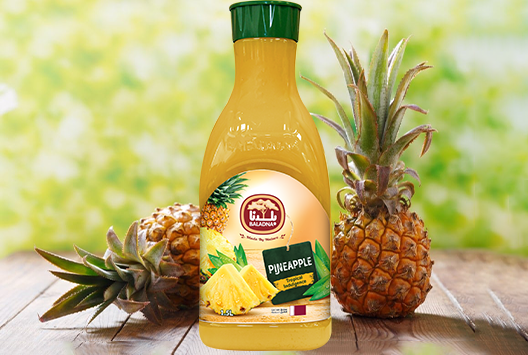
Pineapple juice is a delicious and refreshing drink that is enjoyed by people all over the world. It is made from the fruit of the pineapple plant, which is native to South America but is now grown in many parts of the world. But, did you know that pineapple juice is like a superhero drink packed with vitamins, minerals, and antioxidants? That's right! It's like having a powerful elixir that can provide numerous health benefits to your body and mind. In this article, we will take a closer look at the health benefits of pineapple juice. We’ll also explore the best time to drink it. Pineapple Juice: A look at calories and nutrition factsA 100 ml bottle of Baladna Pineapple Juice contains around 46.1 calories, which makes it a relatively low-calorie drink. It is also packed with vitamins and minerals. In fact, one cup of pineapple juice can help you achieve your recommended vitamin C intake. It is also a good source of vitamin B6, thiamin, and folate. Did you know that pineapple juice is also good for your heart health? It's true! This power drink is packed with potassium, which can help regulate blood pressure and promote a healthy heart. Plus, it's got a few other sidekicks like calcium, magnesium, and iron that can help keep your body strong and healthy. When is the best time to drink pineapple juice?There is no one right answer to this question. The ideal time to drink pineapple juice depends on your preferences and lifestyle. But, here are some guidelines to help you maximize the benefits of pineapple juice: In the morningDo you need help to get your day started? Grab a glass of pineapple juice and get ready to feel energized! Pineapple juice is the perfect way to kickstart your metabolism and give you a natural boost of energy. What’s more – it's packed with vitamin C, like a superhero that fights off bad guys (aka free radicals) and boosts your immune system. And get this, vitamin C also helps your body absorb iron, which is super important for keeping your blood cells healthy.But wait, there's even more! Drinking pineapple juice in the morning on an empty stomach can help your tummy too. It helps break down proteins, making you feel less bloated and more comfortable. So go ahead, pour yourself a glass of pineapple juice in the morning and get ready to take on the day!Before or after exerciseAre you seeking a secret weapon to take your workouts to the next level? Look no further than pineapple juice! This tasty drink can help improve your athletic performance and aid muscle recovery. Pineapple juice contains potassium, which works wonders for your muscles. It helps regulate fluid balance and prevents pesky muscle cramps from ruining your workout. It also provides a quick burst of energy, perfect for powering you up before a workout.But the magic of pineapple juice doesn't stop there. After a tough workout, drinking pineapple juice can help reduce inflammation and aid in muscle recovery. This is all thanks to the bromelain enzyme in pineapple. It helps fight off soreness in your muscles, so you can recover faster and get back to crushing your workouts.Before a mealDrinking pineapple juice before a healthy feast can help stimulate digestion and reduce your appetite. Pineapple juice is packed with fiber, which can help regulate your digestive system and promote feelings of fullness.Drinking pineapple juice before a meal can also help reduce cravings for unhealthy snacks and promote weight loss. The natural sugars in pineapple juice provide a quick energy boost, which can help curb cravings for sugary or fatty foods. Before bedAre you having trouble catching a proper good night's sleep? Well, pineapple juice will certainly help you drift off to dreamland. That is because pineapple contains an amino acid called tryptophan, which is like a sidekick to serotonin – the neurotransmitter that helps regulate mood and promote feelings of relaxation. This means no more tossing and turning as you try to get comfortable! But, if you're sensitive to acidic foods, you may want to skip this drink before bedtime.Go ahead and pour yourself a glass of pineapple juice! Are you looking for a fun and delicious way to boost your health? Well, look no further because Baladna Pineapple Juice is here to save the day! Get yourself some pineapple juice today; your taste buds and body will thank you!

Blog Here Are 4 Reasons Why Dairy Is Good for You
27 August, 2025

Here Are 4 Reasons Why Dairy Is Good for You

Are you ready to dive into the deliciously nutritious world of dairy? Get your spoons and straws ready because we are about to embark on a tour of the health benefits that dairy has to offer. From yoghurt and ayran to milk and cheese, there's a whole barn-load of goodness that we often take for granted. So why don't you join us as we milk this topic for all it's worth, and uncover the secrets that make dairy products not just tasty, but amazing for our health too!1. Calcium: The ultimate cheerleader for your bones You've probably heard it a thousand times before, but we'll say it again: calcium is vital for strong bones and teeth. And when it comes to calcium, dairy is the MVP. A single glass of milk contains around 300 mg of calcium, which is about one-third of an adult's daily requirement. Say goodbye to brittle bones and hello to a stronger, more robust skeleton. Plus, the calcium in dairy products is easily absorbed by the body, so you can be sure that your bones are reaping the full benefits. Remember the old saying, "milk does a body good”? Turns out it's true!2. Protein: The whey to go for muscle growth and repairDairy products aren't just good for your bones; they are also packed with high-quality protein. This macronutrient is essential for muscle growth, repair, and maintenance, as well as keeping your hair, nails, and skin looking fabulous. Milk, cheese, and yoghurt all contain a good amount of protein, but Greek yoghurt and cottage cheese are particularly protein-rich options. And if you've been hitting the gym, you've probably heard about the wonders of whey protein. This fast-absorbing protein, derived from milk, can help you build muscle, lose fat, and improve your athletic performance. 3. Probiotics: The gut-feeling you can trust If you're looking for a gut-friendly food, look no further than fermented dairy products like yoghurt and kefir. These delightful treats are packed with live bacteria and yeast, aka probiotics, which are essential for maintaining a healthy gut microbiome. Probiotics can help with digestion, boost your immune system, and even improve your mood (yes, that's right—a happy belly equals a happy mind). So, don't be sour, embrace the probiotic power of dairy and watch your gut health flourish.4. Overall improvement in healthThe health benefits of dairy don't stop at calcium, protein, and probiotics. Consuming dairy products can help lower your risk of developing heart disease, type 2 diabetes, and high blood pressure. Plus, dairy has been linked to improved weight management and a reduced risk of obesity. And for those who are lactose intolerant, don't worry, there are plenty of lactose-free dairy options available, so you can still reap the rewards of this nutritious food group.