Blog Find the Hidden Baladna Words
26 August, 2026

Find the Hidden Baladna Words

Download

Find, circle, and discover the Baladna words! Download the image and put your eyes to the test.


Download

More Articles

Blog Different Ways Cow's Milk Can Help Boost Your Immune System
13 May, 2024

Different Ways Cow's Milk Can Help Boost Your Immune System

The human body is designed to build a strong immune system and many different factors come into play to help make that happen. One such factor is nutrition. Your meal plan and the products you consume daily can help make or break your immunity. Did you know that cow’s milk can help build stronger immune systems? Cow milk contains a range of nutrients - including proteins and vitamins - that are essential for the development and function of the immune system. So, what are the benefits of drinking cow milk?1. It's a complete mealCow milk has many nutrients that the body needs, such as vitamins A and D, protein, zinc and selenium, making it a complete meal on its own. All of these nutrients are critical for maintaining a strong immune system.2. It's a good source of protein Protein is an essential nutrient for the immune system. It helps build and maintain the body's tissues and organs, including the immune system cells. Cow milk is a good source of protein, with each cup containing about 8 grams of protein. 3. It's a good source of Vitamin AVitamin A is important for the development and function of the immune system. It helps maintain the skin's health, which is the body's first line of defense against infection. Cow milk is a good source of vitamin A; each serving of milk contains about 15% of the daily recommended intake.4. It's good for your bonesOne of the benefits of cow milk is that it is good for your bones. Cow milk contains high levels of calcium and other minerals essential for the formation of strong bones. 5. It helps prevent diabetesCow’s milk contains high levels of insulin-like growth factor-1 (IGF-1), a hormone that has been shown to reduce the risk of diabetes. Cow milk also contains high levels of calcium, which can help to improve insulin sensitivity and reduce the risk of diabetes. However, because milk contains carbs, drinking too much milk may cause your blood sugar to spike, so it is best to get the advice of a professional nutritionist regarding your intake. 6. It is brain food Cow milk is also a great source of brain food. It contains high levels of omega-3 fatty acids, which are essential for brain health. Omega-3 fatty acids are known to improve cognitive function and reduce the risk of Alzheimer’s disease.7. It fights depressionDepression is a serious mental illness that can have a devastating impact on a person’s life. Cow milk contains high levels of tryptophan, an amino acid that is effective in treating depression.8. It lowers cholesterolHigh cholesterol is a risk factor for heart disease. Cow milk contains high levels of saturated fat, which can help lower cholesterol. Saturated fat is known to increase the level of HDL cholesterol, which is the “good” cholesterol, and to decrease the level of LDL cholesterol, which is the “bad” cholesterol.The bottom lineAs we’ve seen above, cow's milk is an excellent source of nutrition and can help you build a strong immune system. It is packed with essential nutrients needed to keep your body healthy and fight infection. It also contains antibodies that can help protect you from disease. So, drink up and enjoy the benefits of cow's milk!Are you looking for high-quality dairy products in Qatar? Baladna provides authentic, fresh, and high-quality dairy products, including a wide range of milk products. These include skim milk, full fat milk, and a variety of flavored milk. Get yours today.

Blog All You Need to Know About Feta: Ways to Eat & Store It
16 January, 2023

All You Need to Know About Feta: Ways to Eat & Store It

Cheese is a versatile and beloved food enjoyed in many cuisines worldwide. It can be used in various dishes, such as sandwiches or grated over pasta, or eaten alone with crackers. Still, not all cheeses are created equal, and feta cheese is a prime example!Feta cheese hails from Greece and is a crumbly, salty cheese made from sheep's milk or a combination of sheep's and goat's milk. With its unique tangy taste, it is a popular ingredient in Mediterranean cuisine, where it's often paired with olives, cucumbers, tomatoes, and other vegetables. Unlike other cheeses, feta cheese requires specific handling and storage to maintain its distinctive flavor and texture. Unfortunately, few people know how to properly store and serve feta cheese, so we're here to help. How Feta Cheese Is Made Feta cheese is a unique and beloved cheese that originates from Greece. It's made by combining sheep's or goat's milk with rennet and salt. The rennet enzyme helps solidify the milk, forming a curd, which is then cut into small pieces and left to drain. After that, the cheese is placed in a brine solution that preserves it and gives it its signature salty taste.Typically, feta cheese is ready to be eaten after a few days, but some varieties are aged for several months. Aging gives the cheese a firmer texture and a more complex flavor. During this time, the cheese is stored in a brine solution and regularly turned to ensure even distribution of flavors. Storing Feta Cheese For maximum freshness; Feta cheese should be stored in the fridge in an airtight container, with the brine being changed every few days. If you're not going to eat it within a few days, put it in the freezer for longer-term storage, where it can last for up to 6 months. This also goes for cooked feta dishes, like pasta or salads, which will stay good for up to 5 days. Pairing Feta with FoodFeta cheese is a versatile ingredient that can improve many recipes' flavors. It can be included in many dishes, including salads, sandwiches, and wraps. Also, it goes well with veggies like onions, cucumbers, and tomatoes. Feta mixes superbly with ricotta and mozzarella, among other cheeses. Although feta's sour flavor may not be the best complement for fruit, watermelon, cantaloupe, and honeydew pair nicely with it. Furthermore, feta goes well with many sauces and can be added as a topping to pizza or spaghetti.Things to Avoid When Serving FetaWhen serving feta cheese, there are certain things you should never do. These include:1. Serve Spoiled Feta Serving rotten feta cheese is a major no-no, which should go without saying. Feta cheese needs to be kept in brine to stay fresh and prevent rotting. It will spoil and need to be thrown away if kept out of the fridge for an extended period of time. Make sure you only provide the freshest feta cheese to satisfy your guests' taste buds. 2. Cut Feta with Your Hands It is advised to use a knife rather than your hands to cut or cube the feta cheese to reduce any potential danger of bacterial contamination. This straightforward advice will guarantee accurate portioning and assist in preserving the cheese's quality and freshness.3. Avoid Serving Feta at the End of the Meal Feta cheese etiquette dictates that it should not be served at the end of the meal. Feta is a strong-flavored cheese, and its taste can be overpowering if served after other dishes. Because of this, it should be served alongside other dishes or as an appetizer.Is your feta knowledge betta now? Feta is a delicious cheese that can be enjoyed in a variety of different ways. While typically served as an appetizer, it can also be eaten with other dishes. When eating feta, one must be mindful of feta cheese etiquette to enjoy it to the fullest.If you’re looking for the best feta cheese, Baladna has what you need! We offer selections made with the finest quality ingredients, all for affordable prices. Visit our website today and take your pick!


Blog 5 Nutritional Benefits of Sour Cream
13 May, 2024

5 Nutritional Benefits of Sour Cream

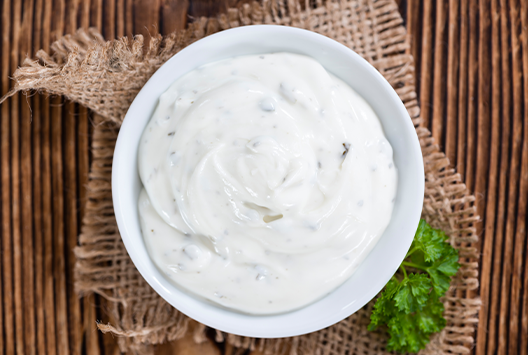
Sour cream is a versatile and popular dairy product known for its slightly tangy, creamy texture and flavor. A staple in numerous dishes, including dips, sauces, soups, and salads, sour cream isn't just delicious—it also offers a range of nutritional benefits. Here’s a look at some of them: 1. Good source of healthy fatsSour cream is a dairy product made by adding lactic acid bacteria to the cream. It is high in fat but is a source of healthy fats. It has been used in recipes for centuries and has a tangy, creamy consistency.Sour cream is also rich in monounsaturated and polyunsaturated fats, which are considered to be the healthiest types of fats as they help reduce unhealthy cholesterol levels, lower the risk of heart disease, and promote healthy blood sugar levels.2. Good source of proteinAdding sour cream to your diet can help increase your daily protein intake. A single tablespoon contains almost 1 gram of protein, which is 2% of the daily recommended value.In addition to its protein content, sour cream is an excellent source of other nutrients. It contains large amounts of calcium and phosphorus, essential for bone health, and vitamins A and E.3. Can help you absorb more nutrientsSour cream contains lactic acid bacteria that can help break down proteins and fats in food, making it easier for the body to absorb vitamins and minerals. It can also help improve digestion, further aiding in nutrient absorption.Not only can sour cream help you absorb more nutrients, but it can also act as a source of those nutrients. Sour cream is high in calcium, phosphorus, and vitamin A, essential for maintaining healthy bones and teeth. If you're looking for a way to get more of these essential nutrients, adding a dollop of sour cream to your meals can be a great way to do so.4. Can help you lose weightSour cream can help you lose weight by providing a healthy source of protein which can reduce cravings and keep your metabolism running at a high level.It is excellent weight loss food as it is rich in vitamins and minerals, including calcium, potassium, and vitamin A, which are important for health and weight loss.5. Can help lower your cholesterolWhen it comes to heart health, one of the most important nutritional considerations is cholesterol. High cholesterol levels can increase the risk of heart disease and stroke. Fortunately, several foods can help lower cholesterol, and one of them is sour cream.Sour cream is a good source of monounsaturated and polyunsaturated fats, which are the "good" fats that can help reduce harmful cholesterol levels. The lactic acid bacteria used to make sour cream can also help lower cholesterol levels by increasing the production of HDL (high-density lipoprotein), the "good" cholesterol.