Blog A Week Made Easier with Mila
26 August, 2026

A Week Made Easier with Mila

Download

Keep mornings and evenings running smoothly with Mila’s weekly routine tracker. Kids can list their everyday tasks, tick them off as they go and see their progress through the week, making routines easier to follow and more fun.


Download

More Articles

Blog The Etiquette For Serving & Eating Cheddar
30 January, 2023

The Etiquette For Serving & Eating Cheddar

The Etiquette For Serving & Eating CheddarCheddar cheese is a delicious and versatile food that can be enjoyed in many different ways. Whether you're looking for a simple snack or a more elaborate dish, there are a few key things to keep in mind when serving and eating cheddar cheese. This comprehensive guide will teach you everything you need to know about how to serve and eat cheddar cheese the right way.What Is Cheddar, Anyway?Cheddar cheese is a hard, natural cheese that originated in the English village of Cheddar in Somerset. It is made from cow's milk, and its flavor can range from mild to sharp, depending on how long it's been aged.Cheddar cheese is a key ingredient in many popular dishes, like macaroni and cheese, and it can also be enjoyed on its own as a snack.How To Choose The Right Cheddar Cheese When you're shopping for cheddar cheese, it's important to choose a variety that suits your palate. If you like milder flavors, opt for a young cheddar cheese that hasn't been aged for very long. If you prefer a sharper flavor, look for a block of aged cheddar cheese.You should also pay attention to the color of the cheddar cheese you're buying. Younger cheddar cheeses are typically white or pale yellow in color, while aged cheddar cheeses are more yellow or orange.When you're ready to buy cheddar cheese, look for a variety that's sold in a block. This will allow you to cut off as much or as little as you want, and it will also help the cheese last longer.How to Serve and Eat Cheddar1. When serving cheddar cheese, be sure to cut it into small, bite-sized pieces. This will make it easier for your guests to eat and will help prevent the cheese from drying out.2. Cheddar cheese should always be served at room temperature. If it is too cold, the flavors will be muted, and it will be difficult to spread. If it is too warm, the cheese will become greasy and unpleasant to eat.3. Cheddar cheese pairs well with various foods, including crackers, bread, fruit, and nuts. Be creative and experiment with different flavor combinations until you find what you like best.4. Cheddar cheese can be used in a variety of recipes, including soups, sauces, gratins, and casseroles. Get creative and experiment by adding cheddar cheese to your favorite dishes.5. Cheddar cheese can be stored in the refrigerator for up to two weeks. Be sure to wrap it tightly in plastic wrap or aluminum foil to prevent it from drying out.6. When grating cheddar cheese, be sure to use a coarse grater. This will prevent the cheese from turning into a paste when it is grated.7. Cheddar cheese is best enjoyed fresh, but it can also be frozen for up to six months. Be sure to wrap it tightly in plastic wrap or aluminum foil before freezing to prevent it from drying out.A Sharp & Cheesy Note If you're looking to serve and eat cheddar the right way, there are a few things you should keep in mind. First, make sure to choose high-quality cheddar cheese. Second, take the time to properly prepare the cheese by letting it come to room temperature and slicing it into thin pieces. Third, serve the cheese with complementary foods that will bring out its flavor, such as crackers, fruit, or nuts. And finally, don't forget to enjoy the cheese on its own; it's one of the best ways to appreciate its flavor and texture.Buy from BaladnaFor fresh dairy products made from one of the largest cattle farms in the region, buy Baladna products. Our comfortable and well-conditioned environment houses up to 24,000 cows that deliver high-quality milk, cheese, and more. Take a look at our offerings on our website today.

Blog When Is The Best Time To Drink Milk? And What Are The Benefits?
27 August, 2025

When Is The Best Time To Drink Milk? And What Are The Benefits?

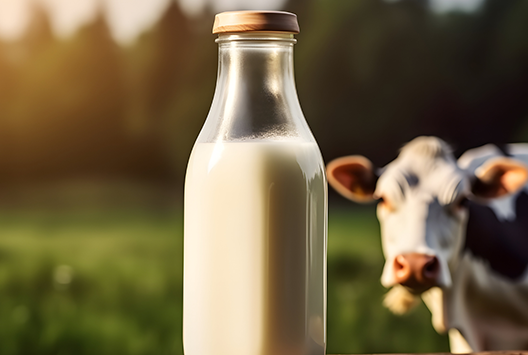
While milk can be consumed at any time of the day, drinking milk at night can have several benefits. Drinking milk at night has been a long-standing tradition in many cultures for centuries. While some may argue that it’s an old wives’ tale, scientific evidence supports the benefits of drinking milk at night. Here are some ways drinking milk at night can improve health.1. Helps people fall asleep fasterMilk contains tryptophan, an amino acid converted into serotonin and melatonin in the brain. Serotonin is a neurotransmitter that helps regulate mood, while melatonin is a hormone that helps regulate sleep. By drinking milk before bed, people can increase the levels of these chemicals in their brains, which can help them fall asleep faster.2. Promotes healthier sleep cyclesIn addition to helping people fall asleep faster, drinking milk at night can promote healthier sleep cycles. Milk contains calcium, which helps regulate the production of melatonin. By consuming milk before bed, people can help regulate their sleep cycles, leading to better quality sleep.3. Improves psychological healthDrinking warm milk before bed can also have psychological benefits. The warmth and comfort of the milk can help people feel relaxed and calm, reducing stress and anxiety. Additionally, drinking warm milk before bed can become a comforting bedtime routine, improving overall psychological well-being.Warm vs. Cold MilkMilk is a staple in many diets and is an excellent source of essential nutrients such as calcium, vitamin D, and protein. It is consumed in many forms, including as a beverage, in recipes, and as a supplement. Meanwhile, milk's nutrient content remains the same regardless of temperature. Some differences exist between warm and cold milk.Warm MilkDrinking warm milk can have a soothing effect on the body, helping to promote relaxation and improve sleep. Warm milk can also help improve digestion and promote healthy bowel movements. Additionally, warm milk can be a comforting bedtime routine, enhancing psychological well-being.One reason is that milk contains an amino acid called tryptophan, a precursor to the neurotransmitter serotonin. Serotonin is a chemical that helps regulate mood, appetite, and sleep. When you consume tryptophan, your body converts it into serotonin, which can help promote calmness and relaxation.Cold MilkCold milk can refresh the body, making it an excellent option for hot summer days. Cold milk can also be used in smoothies or other cold beverages, making it a versatile ingredient. Additionally, cold milk can be an excellent post-workout beverage, as it can help replenish the body's fluids and nutrients.Cold milk can also be used in smoothies or other cold beverages. It is a versatile ingredient that can be combined with fruits, nuts, and other ingredients to create unique and delicious drinks. Smoothies made with cold milk are an excellent way to get a healthy dose of nutrients while also enjoying a tasty and refreshing drink.

Blog Everything You Need to Know About Greek Yoghurt
14 May, 2024

Everything You Need to Know About Greek Yoghurt

Greek yoghurt is a type of yoghurt that has become increasingly popular in recent years due to its high protein content and creamy texture. Greek yoghurt is an excellent source of calcium, protein, and probiotics, making it a nutritious and delicious snack or breakfast option. Are you ready to learn everything you need to know about Greek yoghurt? How Greek yoghurt is madeGreek yoghurt is made by straining regular yoghurt to remove the whey, resulting in a thicker, creamier product. The process of straining the yoghurt is done using a cheesecloth or a fine-mesh strainer. The whey (liquid) is removed, and the remaining yoghurt is placed in a container for several hours or overnight. The yoghurt is then ready to be enjoyed!What are the benefits of Greek yoghurt?1. Rich in proteinWhen it comes to nutrition, Greek yoghurt is a winner. It is high in protein, containing around twice as much as regular yoghurt. This makes it an excellent option for those trying to increase their protein intake or build muscle.2. Can be added to various recipesGreek yoghurt is a type of yoghurt that is thicker and creamier than regular yoghurt. It is a great addition to many dishes and can be used in various ways. Greek yoghurt can be used as a topping for salads or baking recipes, as a substitute for sour cream in sauces, or as a snack with a bit of honey or fruit.3. Helps your gutGreek yoghurt contains live bacteria that can help improve the balance of good bacteria in the gut, making it easier for the digestive system to absorb the nutrients it needs and reduce uncomfortable symptoms such as bloating, constipation, and indigestion.4. Strengthens your bonesGreek yoghurt is a fantastic way to get your daily dose of calcium. This nutrient helps keep our bones and teeth strong and healthy. Additionally, it can be blended into smoothies for an extra protein punch or used as a healthier substitute in baking recipes instead of cream cheese or butter.What to look for when buying Greek yoghurt1. The label should indicate whether the yoghurt has been strained. Straining the yoghurt involves removing the liquid whey and other liquids, resulting in a thicker and creamier texture.2. To be considered probiotic yoghurt, the yoghurt must contain live and active cultures of beneficial bacteria. These bacteria help promote a healthy digestive system and provide other health benefits.3. It is important to look closely at the nutrition label to identify any extra sugars or other artificial components, such as artificial sweeteners, that may have been added to the food.Greek yoghurt is a delicious & healthy treat Greek yoghurt is worth considering if you’re looking to increase your protein intake or enjoy a creamy snack.If you want to add Greek yoghurt to your daily meals, look for Baladna! We are a trusted dairy and beverage company in Qatar that offers authentic, fresh and quality dairy products.