Blog 5 Pineapple Juice Benefits You Probably Didn’t Know
11 September, 2024

5 Pineapple Juice Benefits You Probably Didn’t Know

Similar

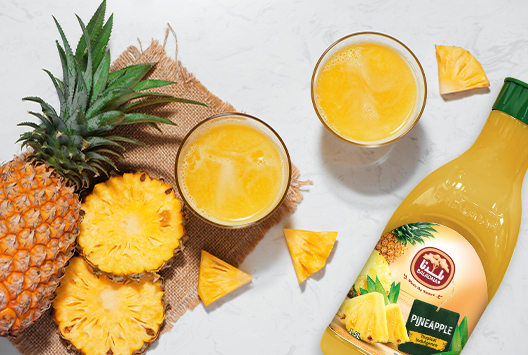
Pineapple is a tropical fruit packed with vitamins, minerals, and other nutrients. Its juice is a refreshing drink that many people around the world love. While most people know that pineapple juice is a good source of vitamin C, there are many other benefits that most people are unaware of. Here are a few of them: 


It boosts immunity


Pineapple juice is a great source of Vitamin C, which is essential for boosting the immune system. One cup contains about 80 percent of the recommended daily intake of vitamin C, which helps speed up the production of white blood cells. In turn, these cells fight off infections and diseases. Pineapple juice also contains bromelain, an enzyme effective in reducing the symptoms of respiratory infections such as sinusitis and bronchitis.


It promotes digestion


This refreshing beverage contains bromelain, an enzyme that helps break down digestive system proteins. This enzyme helps promote digestion and reduce inflammation in the gut. It also contains fiber, which helps promote regular bowel movements and prevent constipation. Drinking a glass before each meal can help improve digestion and reduce bloating.


It reduces inflammation


Bromelain doesn't just break down proteins in the digestive system; it's also an enzyme that has anti-inflammatory properties. This enzyme effectively reduces inflammation in the body, especially in the joints. Studies have shown that bromelain can help reduce the symptoms of osteoarthritis and rheumatoid arthritis.


Helps in weight loss


Pineapple pulp (and its juice) is low in calories and fiber, making it an excellent choice for people trying to lose weight. Consuming a glass before a meal can help curb appetite and prevent overeating. Pineapple juice's special enzyme called bromelain is known to effectively break down fats in the body, promoting weight loss and reducing body fat.


Improves skin health


This delicious drink is rich in vitamin C, essential for healthy skin, per Oregon State University. This vitamin helps promote collagen production, which is vital for maintaining skin elasticity and preventing wrinkles. It also contains antioxidants, which help protect the skin from damage caused by free radicals. Also, drinking this juice regularly can help improve skin health and prevent the signs of aging.


In closing


Juice from pineapple is a delicious and healthy drink that offers many benefits for our health. It is a potent source of vitamin C, bromelain, fiber, and antioxidants, all contributing to its health-promoting properties. This versatile drink can improve our overall health and well-being, from boosting immunity and promoting digestion to reducing inflammation and aiding in weight loss. 


So the next time you want a refreshing drink, consider reaching for a glass of this beverage to reap its benefits. And make sure to choose a trusted brand like Baladna to ensure you’re sipping on quality. 


Baladna is dedicated to delivering genuine, nourishing, and superior dairy products and beverages like pineapple juice. We aim to promote the well-being of our consumers by offering them natural, wholesome, and delectable food and beverage options while also being the most trusted brand for nutritional foods and healthy drinks in Qatar.
More Articles

Blog Traditional Greek Dishes with Feta Cheese You Must Try
14 May, 2024

Traditional Greek Dishes with Feta Cheese You Must Try

The world of feta cheese is a salty, crumbly one - and we have Greece to thank for that. This cheese has been a favorite in many cultures and cuisines for centuries, and are you even surprised? It’s delicious and goes well with so many different meals. It’s also what makes Greek Salad so irresistible. Aside from its savory goodness, it’s also loaded with essential vitamins and minerals. It’s also packed with protein and light on the fat, so it’s a win-win option for those who lead a healthy lifestyle. The best part about feta cheese is its versatility. One can’t help but get creative with this type of cheese, and we’re here to share two dishes that you must try to make with the feta cheese you have hanging around in your fridge. SpanakopitaSpanakopita is a beloved Greek snack and one of the most popular dishes in Greek cuisine, and for good reason. It is a flaky pastry parcel filled with a delicious combination of sautéed spinach, gooey feta cheese, and a unique blend of herbs and spices. It makes for a great appetizer, side dish, or even a light meal. To make the filling, sauté the spinach with onions and garlic to add a rich depth of flavor that pairs nicely with feta cheese. Once cooled, add chopped parsley, crumbled feta, grated Parmesan cheese for extra cheesy goodness, and some salt and pepper to taste. You could also add your favorite herbs and spices as well. The pastry used to make spanakopita is light and flaky, and is usually made from layers of butter and flour, rolled out, and filled with spinach and feta. Alternatively, you can use store-bought phyllo pastry to make the preparations much easier. All you have to do is butter a pan and layer your phyllo pastry on top of each other, with butter separating the layers. Pour the spinach and feta mixture over the phyllo dough layers and then fold the edges of the phyllo dough over the spinach mixture. Bake in a pre-heated 375°F oven for 30-40 minutes or until golden brown.Baked FetaWhen cooking with feta, using only the finest Greek feta is key. That is because feta from Greece is known for its superior flavor, texture, and quality. Baked feta, in particular, requires the best feta to ensure a delicious and memorable meal. This traditional Greek recipe is a must-try! All you have to do is bake a block of feta with tomatoes, peppers, and onion to create a wonderfully aromatic dish that will impress. The combination of flavors creates an unbeatable combination of salty, tangy, and sweet. To prepare this recipe:1. Preheat your oven to 375°F.2. Cut the feta into cubes and place in a baking dish.3. Add the tomatoes, peppers, and onion, and drizzle with olive oil.4. Sprinkle with oregano, basil, and salt and pepper to taste.5. Bake in the preheated oven for 25 minutes.The feta cheese will soften and melt into the vegetables, while the tomatoes and peppers will become slightly charred. Adding herbs and spices will infuse the entire dish with a delicious aroma. It’s always better with feta Feta cheese is a magical ingredient that can leave different types of palates amazed. From salads to appetizers, there is so much you can do with feta cheese. If you want the finest Greek feta cheese, check out what Baladna has to offer. We pride ourselves on bringing only the best exotic cheeses to the market. So, if you want to take Greece to your home, order our feta cheese now!

Blog Decoding Cheese Colors: What The Hue Says About Flavor
16 August, 2024

Decoding Cheese Colors: What The Hue Says About Flavor

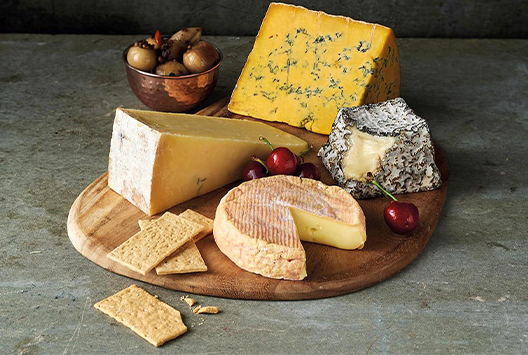
Cheese is a staple food in many cultures around the world. It is a versatile ingredient that can be used in various dishes, from gooey pizza to creamy pasta. But did you know that the color of cheese can tell us a lot about its flavor, texture, and origin? In this article, we will explore the different colors of cheese and what they indicate.The science of cheese colorThe color of cheese is determined by various factors, including the breed of the cow, the animal's diet, and the processing method. The main component of cheese is milk, which contains a natural pigment called carotenoids. Carotenoids are responsible for giving cheese its yellow or orange color.The level of carotenoids in milk can vary depending on the cow's diet. Cows that consume more grass produce milk with higher levels of carotenoids, resulting in a more yellow-colored cheese. On the other hand, cows that are fed a corn or soybeans diet produce milk with lower levels of carotenoids, resulting in a whiter cheese.A look at white cheeseWhite cheese is often associated with milder, fresher flavors. It is typically made from cow's milk and has a mild, creamy texture. Examples of white cheese include feta, mozzarella, and ricotta.Feta cheese is a Greek cheese made from sheep's milk or a combination of sheep's and goat's milk. It has a crumbly texture and a tangy, slightly salty flavor. Mozzarella cheese is an Italian cheese made from buffalo or cow's milk. It has a soft, creamy texture and a slightly sweet flavor. Ricotta cheese is an Italian cheese made from whey, a byproduct of cheese-making. It has a soft, creamy texture and a slightly sweet flavor.A look at yellow cheeseYellow cheese is known for having a stronger and more complex flavor. It is typically made from cow's milk and has a firmer texture. Examples of yellow cheese include cheddar, gouda, and Parmesan.Cheddar cheese is an English cheese made from cow's milk. It has a sharp, tangy flavor and a firm, crumbly texture. Gouda cheese is a Dutch cheese made from cow's milk. It has a nutty, slightly sweet flavor and a firm, smooth texture. Parmesan cheese is an Italian cheese made from cow's milk. It has a salty, nutty flavor and a hard, granular texture.A look at blue cheeseBlue cheese is a type of cheese that is characterized by the presence of blue or green veins. It is typically made from cow's, sheep's, or goat's milk and has a strong, pungent flavor. Examples of blue cheese include Roquefort, Gorgonzola, and Stilton.Roquefort cheese is a French cheese made from sheep's milk. It has a sharp, tangy flavor and a creamy, crumbly texture. Gorgonzola cheese is an Italian cheese made from cow's milk. It has a sharp, tangy flavor and a creamy, crumbly texture. Stilton cheese is an English cheese made from cow's milk. It has a strong, tangy flavor and a creamy, crumbly texture.Regional variations in cheese colorThe color of cheese can also vary depending on the region where it is produced. For example, in France, cheese made from cow's milk tends to be more yellow than cheese made from goat's milk. In Italy, Parmesan cheese made from cow's milk is more yellow than Parmesan made from buffalo milk.The world of cheese is one full of wondersThe color of cheese can tell us a lot about its flavor, texture, and origin. By understanding the color of cheese, we can make more informed choices about which cheeses to use in our cooking and which ones to enjoy.Looking for healthy cheese options? Look no further than Baladna! Our 100% Qatari farm provides authentic, fresh, and quality dairy products that are sure to satisfy your taste buds. Try our range of cheeses today and experience the delicious and healthy goodness of Baladna.

Blog Master the Art of Cheese Storage: Tips for Keeping Cheese Fresh and Mold-Free
03 November, 2024

Master the Art of Cheese Storage: Tips for Keeping Cheese Fresh and Mold-Free

A fridge is never complete without the presence of cheesy delights. It’s a versatile and delicious ingredient that can take the flavors of any meal to a whole new level. However, keeping cheese fresh and mold-free for an extended period can be challenging, even if stored in the fridge. But worry not! We’ve put together a list of some of the effective ways to store cheese to prevent mold growth and extend its shelf life.Use the original packagingMost cheese comes in its original packaging, designed to keep it fresh for as long as possible. Therefore, leaving the cheese in its original packaging is advisable until you're ready to use it. The packaging helps prevent moisture loss and keeps the cheese from absorbing odors from other foods in the fridge. The packaging also includes a label with the cheese's name, expiration date, and storage instructions.Wrap cheese in wax paperYou can wrap the cheese in wax paper if the original packaging is unavailable. Wax paper allows the cheese to breathe while preventing it from drying out. Be sure to wrap the cheese tightly to keep air out, which can cause mold growth. You can also use parchment paper or cheese paper specifically designed for storing cheese.Avoid plastic wrap and aluminum foilPlastic wrap and aluminum foil are not ideal for storing cheese for an extended period. Plastic wrap can trap moisture, causing the cheese to become slimy, while aluminum foil can cause the cheese to oxidize and develop off-flavors. If you must use plastic wrap or aluminum foil, be sure to wrap the cheese tightly and use it within a few days.Store cheese in the right part of the fridgeThe temperature and humidity in different parts of the fridge vary, and storing cheese in the wrong part can lead to mold growth and spoilage. The ideal temperature for storing cheese is between 35°F and 45°F. Therefore, it's best to store cheese in the vegetable or cheese drawer, where the temperature is more consistent and less likely to fluctuate. Avoid storing cheese in the door of the fridge, as the temperature fluctuates every time the door opens and closes.Wrap cheese in cheese paperCheese paper is specifically designed for storing cheese and helps regulate moisture and air exchange. It's made of two layers of paper with a layer of plastic, which helps keep the cheese fresh and prevent mold growth. You can wrap the cheese tightly in the cheese paper and store it in the cheese drawer of the fridge.Wrap soft cheese in plastic wrapSoft cheeses like brie and camembert are delicate and can easily absorb odors and flavors from other foods in the fridge. Therefore, it's best to wrap them tightly in plastic wrap to prevent them from drying out and absorbing odors. Soft cheeses should be consumed within a few days of opening to ensure freshness.Store cheese in an airtight containerYou can store cheese in an airtight container if you don't have cheese or wax paper. Be sure to choose a container slightly bigger than the cheese to allow air circulation. You can also place a paper towel in the container to absorb any excess moisture and prevent mold growth.Keep your cheese fresh for extra goodness Cheese is the ultimate culinary delight - a delicious ingredient that transforms dishes with its cheesy magic! But keeping it fresh requires some effort from your end. Make sure to follow the tips above to keep your cheese as fresh as ever.If you’re looking for high-quality cheese, Baladna is the answer. We offer authentic, fresh, and high-quality dairy products of all kinds. Browse through our website to get a glimpse at our offerings.

Blog Baladna Cheese Varieties & Recipe Inspos
23 June, 2025

Baladna Cheese Varieties & Recipe Inspos

Whether you’re enjoying a casual snack or crafting a show-stopping centerpiece for your dining table, Baladna Cheese is sure to delight every palate. What truly sets Baladna Cheese apart is its authentic flavor, fresh texture, and diverse variety. Don’t just take our word for it — try it yourself and taste the difference!Let’s talk about the exceptional nourishing flavorBaladna cheese isn't just about great taste; it’s also a source of essential nutrients. Packed with protein, calcium, and phosphorus, our cheeses provide a nutritious boost for those aiming to maintain a balanced diet. They are rich in high-quality protein, delivering essential amino acids that support muscle repair and promote healthy skin, hair, and nails. Additionally, calcium and phosphorus work together to fortify your bones and teeth, contributing to overall skeletal health. Having said that, it’s clear that choosing Baladna cheese means nurturing your body while indulging in delightful flavors.Introducing the Baladna Cheese CollectionWhat truly sets Baladna cheese apart is its rich variety and distinct flavors. Here’s a taste of what we offer:Halloumi: Known for its firm texture and savory, salty profile, Baladna Halloumi is perfect for grilling or pan-searing. Its signature squeaky bite and beautifully browned edges make it a great addition to salads, skewers, or even atop avocado toast.Akawi: This semi-hard white cheese boasts a mild, salty flavor and smooth consistency. Traditionally featured in Middle Eastern sweets like knafeh, Baladna Akawi goes really well with fresh watermelon or other refreshing fruits. Feta: A brined cheese with a crumbly texture and tangy, slightly salty flavor, Baladna Premium Feta adds a zesty touch to salads, sandwiches, and classic Mediterranean dishes such as spanakopita and moussaka.Nabulsi: Made from pasteurized cow's milk, Nabulsi is a brined cheese with a subtly firm texture and a hint of nuttiness. It shines in both savory and sweet applications, whether used to stuff pastries or paired with honey and nuts. What to make with each variety?Feta x Salad: Create a vibrant Greek salad by combining Baladna Premium Feta Cheese with juicy tomatoes, crisp cucumbers, Kalamata olives, and fresh mint.Halloumi x Breakfast: Elevate your morning meals by grilling slices of Baladna Halloumi and adding them to your scrambled eggs or on top of nutritious avocado toast.Cheese Rolls x Appetizer: Make homemade cheese rolls using a blend of Baladna Halloumi and Akawi, perfect as appetizers for your Ramadan feasts and family gatherings.Mozzarella x Eggplants: Hollow out eggplants and fill them with a mixture of ground meat, spices, and Baladna Shredded Mozzarella Cheese, then bake until bubbly and golden.Now it’s time to explore the countless options within our cheese range. Browse our selection and find your favorites at supermarkets near you.