Blog How Dairy Products Can Positively Impact Your Health
07 September, 2026

How Dairy Products Can Positively Impact Your Health

Similar

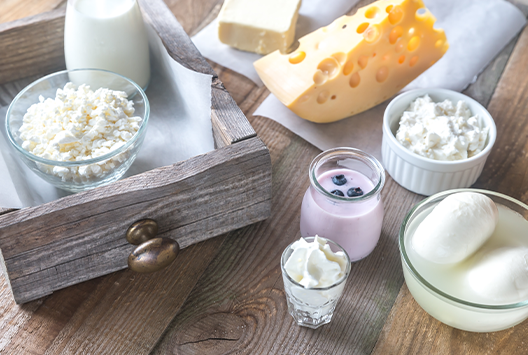
Dairy products have been a part of the human diet for centuries. They provide essential nutrients that are vital for maintaining good health. Milk, cheese, and yoghurt are some of the most popular dairy products consumed worldwide. These products are rich in calcium, protein, vitamin D, and other essential nutrients. Here are the different advantages of dairy products: 


Good source of calcium


Calcium is one of the most essential minerals for strong bones and teeth, and dairy products are an excellent source. These products provide around 30% of the daily recommended intake of calcium. Consuming dairy products regularly can help prevent osteoporosis, which weakens bones and makes them more prone to fractures.


Protein


Dairy products are a good source of high-quality protein for building and repairing muscles, tissues, and organs. It also helps improve satiety, which can aid in weight management. Yoghurt and cheese are exceptionally high in protein.


Vitamin D


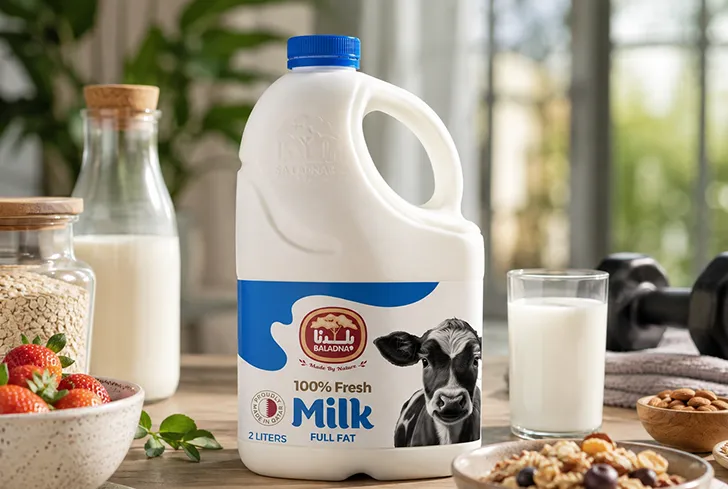
Vitamin D is essential for the absorption of calcium and the maintenance of strong bones. Products made by a dairy and beverage company are one of the few food sources of vitamin D. Milk, cheese, and yoghurt are often fortified with vitamin D to help meet daily requirements.


Boosts immunity


Dairy products contain a variety of nutrients that help boost immunity. Probiotics in yoghurt can improve gut health and support the immune system. Vitamin A, found in cheese, promotes healthy skin and mucous membranes, which are essential barriers against infection.


Can help prevent chronic diseases


Dairy products can help prevent chronic diseases such as type 2 diabetes, heart disease, and obesity. The calcium and vitamin D found in dairy products can reduce the risk of type 2 diabetes. A diet rich in dairy products can also help lower blood pressure and reduce the risk of heart disease. Low-fat dairy products can also aid in weight management, reducing the risk of obesity.


Tips for choosing dairy products


When choosing dairy products, it’s essential to select those that are low in fat and added sugars. Low-fat or fat-free milk, cheese, and yoghurt are good choices. Natural, plain yoghurt is better than flavored yoghurt, which often contains added sugars. 


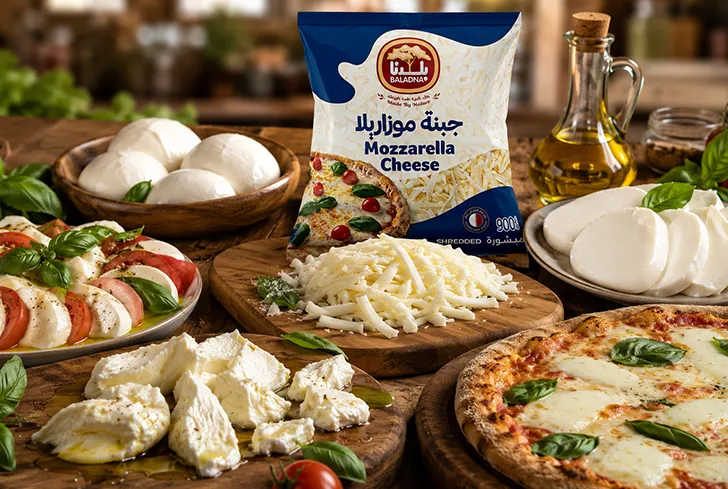
When choosing cheese, it’s best to choose those lower in fat, such as mozzarella or feta. You should also ensure you buy products from a trusted dairy and beverage company.


Go dairy, go healthy! 


Consuming dairy products regularly can help prevent chronic diseases, boost immunity, and support overall health. When choosing dairy products, it’s important to select those that are low in fat and added sugars.


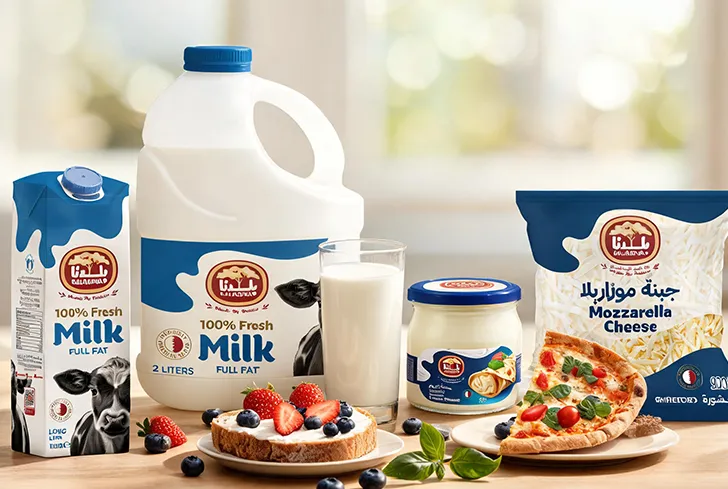
Baladna is a dairy and beverage company in Qatar that offers a range of high-quality dairy products, including milk, yoghurt, cheese, and more. We are committed to providing healthy and nutritious dairy products to our customers and are dedicated to promoting a healthy lifestyle. If you're looking for quality dairy products, Baladna is an excellent choice.
More Articles

Blog Majdoula Cheese: Perfect for Grilled Cheese
26 June, 2025

Majdoula Cheese: Perfect for Grilled Cheese

Majdoula cheese is a traditional Middle Eastern cheese with a distinctively braided shape, often compared to mozzarella for its semi-soft texture, yet it boasts a flavor profile that’s far more nuanced. Its name, “Majdoula,” comes from the Arabic word meaning "braided" or "twisted," referring to the way this cheese is shaped during production. Commonly enjoyed across Lebanon, Syria, and Jordan, this cheese is becoming increasingly popular worldwide. What Makes Majdoula Cheese Special?Majdoula cheese is typically made from sheep, cow, or goat milk, or a combination of these. The cheese has a slightly salty flavor, which develops through the process of being brined. Like many cheeses in the Middle East, Majdoula is soaked in salt water to preserve it and enhance its taste. The brining process also helps create its firm yet elastic texture, making it an ideal candidate for grilling.This cheese is often served fresh, with olive oil and herbs, but its true magic shines when heated. When grilled, Majdoula develops a crispy, golden crust while maintaining a creamy, gooey interior. This dual texture makes it ideal for creating an unforgettable grilled cheese sandwich.Why Majdoula Cheese is Perfect for Grilled CheeseGrilled cheese is about balancing flavors and textures, and Majdoula’s salty, rich taste makes it an excellent match for the job. The cheese’s stringy nature, thanks to its braided structure, melts evenly when heated, creating that stretchy pull that everyone loves in a grilled cheese sandwich.Here are a few reasons why Majdoula excels in a grilled cheese:Melting Point: While some cheeses may melt too quickly or not enough, Majdoula has a perfect melting point. It melts slowly, allowing it to retain some structure while still becoming soft and creamy inside.Texture: Its slightly firmer, fibrous texture before grilling contrasts beautifully with the soft, gooey consistency it takes on once melted.Flavor: The briny and slightly tangy taste of Majdoula adds a rich layer of flavor to a grilled cheese that can elevate it beyond the usual cheddar or mozzarella.How to Make a Majdoula Grilled CheeseMaking a grilled cheese with Majdoula is simple and rewarding. Here's a step-by-step guide to bring out the best of this cheese in your sandwich:1. Choose your bread: Go for a rustic bread like sourdough or a good country loaf. The crunchier the crust, the better it will complement the creamy texture of the cheese.2. Prepare the cheese: If your Majdoula cheese is fresh from the brine, give it a light rinse to remove excess salt. Slice or pull apart the braids to your desired thickness.3. Add your favorite toppings: You can pair Majdoula with roasted vegetables like tomatoes or zucchini, or add some fresh herbs like thyme or oregano. If you prefer a more decadent option, drizzle some olive oil or even honey for a sweet-savory contrast.4. Grill to perfection: Heat a pan with butter or olive oil on medium heat. Place the sandwich in the pan and let it cook slowly. Grill each side for 3-4 minutes or until golden brown and the cheese inside is melted.And don’t forget to serve and enjoy! If you love experimenting with cheeses or are just seeking a break from the usual grilled cheese, try Baladna Majdoula for your next meal. It’s a traditional cheese that adds both depth of flavor and a bit of culinary adventure to your plate.

Blog A Look At The Health Wonders of Yoghurt Consumption
14 May, 2024

A Look At The Health Wonders of Yoghurt Consumption

Yoghurt is a dairy product made by adding special bacteria, like Streptococcus thermophilus and Lactobacillus bulgaricus, to milk. It is a thick, creamy food that’s high in both protein and calcium and popular in many cultures worldwide — and we know exactly why! People can eat yoghurt in many different ways, and that’s why it’s a favorite among many. Some prefer it plain, while others favor flavored variants. But no matter which type of yoghurt you choose, you will always get the health benefits it provides. Read on to see what these health benefits are: 1. Happy tummy: Yoghurt is packed with probiotics Probiotics are beneficial bacteria that live in our digestive systems and help promote a healthy gut. Yoghurt is one of the best sources of probiotics, containing beneficial bacteria that help maintain a balanced gut flora, improve digestion, reduce inflammation, and boost immunity.2. Strong bones, wide smiles: Calcium is yoghurt's secret weapon Yoghurt is an excellent source of calcium, a mineral that is essential for strong bones and teeth. Studies have shown that yoghurt consumption is associated with higher bone mineral density, crucial for preventing osteoporosis and other bone diseases and conditions. Yoghurt is also an excellent source of vitamin D, which helps the body absorb calcium. 3. Diabetes defense: Yoghurt helps keep your blood sugar in checkStudies have shown that yoghurt consumption is associated with a lower risk of developing type 2 diabetes and a lower risk of developing metabolic syndrome, a cluster of symptoms increasing the chances.The probiotics in yoghurt may help reduce inflammation, a factor that contributes to the development of type 2 diabetes. Additionally, yoghurt is a good source of protein and can help regulate blood sugar levels, which can help reduce the risk of type 2 diabetes.4. Snack smart, snack slim: Yoghurt can aid in weight-lossYoghurt is an excellent snack for people trying to lose weight. It is low in calories and rich in protein, calcium, and probiotics, which can help with digestion and overall health. On top of all that, it’s super convenient for those who lead a fast-paced lifestyle. When choosing yoghurt for weight loss, there are a few things to consider. First, look for low-fat or non-fat yoghurt. Also, check the label for added sugars, as these can add a lot of extra calories. Also, look for yoghurt with active cultures to promote digestion.5. Post-workout snack: Your ultimate recovery potion Yoghurt is a great snack after a workout because it helps to replenish lost electrolytes and provide protein for muscle repair. The probiotics in yoghurt also help to reduce inflammation and aid in digestion. Additionally, yoghurt is an excellent calcium source, which helps keep bones strong.It’s a superfood and it’s called yoghurt! As you’ve probably now realized, yoghurt is great for one’s health. The superfood is an excellent choice for those looking to lose weight or improve their overall health. However, remember to eat a balanced diet to reap the benefits of yoghurt better.Baladna is a dairy farm based in Qatar. As a 100% Qatari-owned company, we focus on serving our customers fresh, high-quality dairy products they can enjoy with family and friends. Check out our wide range of products available on our website today! 

Blog Say Cheese: How To Keep Your Cheese At Its Best
11 September, 2026

Say Cheese: How To Keep Your Cheese At Its Best

Picture this: you walk into your local cheese counter, eyes filled with wonder at the diversity. Excitedly, you bring your treasures home, only to forget about them in the depths of your fridge for weeks. When you finally remember your cheese, you're greeted with fuzzy mold patches. We know what a disappointment that can be and that’s why we’ve put together this article, revealing the secrets behind cheese preservation. Ready to dive into the fascinating world of cheese and uncover the best ways to keep it fresh and delicious? Cracking the cheese code: Understanding cheese typesAre you familiar with the cheese classification types? There are two key factors to consider: moisture content and the ripening process. The level of moisture in cheese influences its overall consistency and mouthfeel. Cheese can be soft, semi-hard, or hard, depending on its moisture levels. Soft cheeses like Feta, Brie and Gorgonzola are characterized by their creamy, spreadable texture, due to their high moisture content. Then you have Gouda, Provolone, and Muenster which fall under the semi-hard category. These cheeses are more balanced and versatile. Lastly, Aged Cheddar and Parmesan proudly claim their place among the hard cheeses. These types of cheeses have a very low moisture content. In addition to moisture levels, the ripening process also plays a role, with unripened, mold-ripened, and bacteria-ripened cheeses taking center stage. Unripened cheeses, also called fresh cheeses, skip the aging process and offer a delicate and creamy texture and flavor. Mold-ripened cheeses - such as Brie and Camembert - undergo a process where the mold culture transforms the texture and taste. Bacteria-ripened cheeses - such as Muenster - boast complex and robust flavors. Unveiling the mystery of cheese spoilageCheese has a life of its own, and understanding its timeline is crucial. First, let's decode the difference between a "best if used by/before" date and an "expiration" date. The USDA sets the record straight: the former indicates peak flavor, not safety. So don't despair if you spot your cheese past its "best by" date. Spoilage, however, is a different story altogether. When cheese goes bad, it's either way overripened and flavorless, or it can make you ill. But here's a cheesy secret: mold isn't always a villain. Hard and semi-hard cheeses like Cheddar, Gouda, and Parmesan can be rescued by cutting off at least an inch around and below the moldy spot. Remember, mold doesn't penetrate these resilient cheeses. Moldy soft cheeses, though? Beware! New mold on soft cheeses is a no-no. Say goodbye to black and pink patches — they're a sign that something has gone very wrong. Stick to the white mold on your soft cheeses and avoid any unexpected surprises.The art of cheesy longevity: How long does cheese last?Now let's talk about cheese lifespan. Soft cheeses, including washed-rind and bloomy-rind varieties, last about seven to ten days, depending on their ripeness when you bring them home. Firmer cheeses, such as aged Parmesan and Gouda, can survive for months, showcasing their impressive endurance. However, cheeses like Havarti and Cheddar typically last a few weeks. Keep an eye on blue cheeses—they can last up to two weeks, but beware as the "bluing" process continues. Remember, these are general guidelines. Each cheese has its quirks, so treat them with the respect they deserve.The magic of cheese scraps Instead of tossing leftover cheese or ignoring its existence in your fridge, make use of it in the kitchen! Use leftover cheese in mac and cheese or risotto for an extra dose of richness. And for those toast aficionados, smear-ripened cheeses on hot bread with a dollop of jam. It's a heavenly combination you will enjoy. It’s a wrap! Cheese, with all its delectable variations, deserves our utmost care. By understanding cheese types, recognizing spoilage signs, and mastering storage techniques, we can extend the life of our cheeses and prevent unnecessary waste. While preserving cheese is essential, savoring it is the ultimate goal. So go forth, enjoy your cheese, and let the magic unfold! If you're a cheese lover who values authenticity, freshness, and quality, then you should definitely try Baladna cheese! As a 100% Qatari brand, Baladna takes pride in providing dairy products that are not only delicious but also ethically produced. With one of the largest cattle farms in the region, spanning over an area of 2.6 million sqm and a capacity to house up to 24,000 cows, Baladna ensures that its cows are kept in a comfortable and well-conditioned environment, allowing them to reach their production capacity comfortably. So, if you want to experience the taste of fresh and authentic dairy products, try Baladna today!

Blog The Great Dairy Debate: Whole Milk vs Skim Milk
10 September, 2026

The Great Dairy Debate: Whole Milk vs Skim Milk

Milk is a highly popular and nutritious dairy product across the globe. It is filled with vital nutrients such as calcium, protein, and vitamins, which play a crucial role in our growing and developing bodies.If you buy milk, you would know the dilemma between choosing whole milk and skim milk. These two are the most common milk products and have been competing for the title of the "healthier choice" for quite some time. Today, we will discuss the distinctions between the two and determine which one is the healthier option.What is whole milk? Whole milk is milk that contains all of its natural fat. It is also known as full-fat milk and is typically sold in gallon or half-gallon containers. Its smooth consistency and delicious taste make it a favorite addition to beverages like coffee and tea. A single cup of whole milk provides around 150 calories and 8 grams of fat.What is skim milk?Skim milk, on the other hand, has had all of its fat removed. It is also known as fat-free milk and has a watery texture and a less creamy flavor compared to whole milk. One cup of skim milk contains approximately 90 calories and 0 grams of fat.The difference between whole milk and skim milkThe primary difference between the two is the fat content. Whole milk contains all of its natural fat, while the latter has had all of its fat removed. As a result, whole milk is richer in flavor and has a creamier texture than skim milk. Another difference between the two is the calorie content. Whole milk contains more calories compared to skim milk because of its high fat content. Around 150 calories are found in a cup of whole milk, while a cup of the latter has roughly 90 calories. This makes skim milk a better option for those who are watching their calorie intake.Which is healthier?When it comes to milk products, the question of which one is healthier is a topic of debate. Some people believe that whole milk is healthier because it contains more natural fat, which can help with satiety and weight management. Others believe skim milk is healthier because it has less fat and fewer calories.In reality, both milk products can be part of a healthy diet. However, the choice between the two depends on your individual health needs and preferences.Whole milk provides essential nutrients like calcium and vitamin D that contribute to strong bones and teeth. It also has natural fats that aid in feeling full and managing weight. However, its calorie content may pose a problem for individuals trying to shed pounds or sustain a healthy weight.Meanwhile, skim milk is lower in calories and fat, making it a good option for those who are trying to lose weight or maintain a healthy weight. It is also a good source of protein, calcium, and vitamin D. However, it can be less satisfying than whole milk due to the lack of natural fat.The takeaway The choice between whole milk and skim milk comes down to personal preferences and health needs. Both milk products are nutritious and provide essential nutrients like calcium, protein, and vitamins. If you want to shed some pounds or sustain a healthy weight, opting for skim milk might be more suitable. However, if you want a creamier consistency and a more robust taste, whole milk could be for you.Looking for authentic, fresh, and quality milk products? Look no further than Baladna! As one of the largest cattle farms in the region, Baladna delivers 100% Qatari dairy products that are second to none. So why wait? Get your Baladna milk products today and experience the difference for yourself!