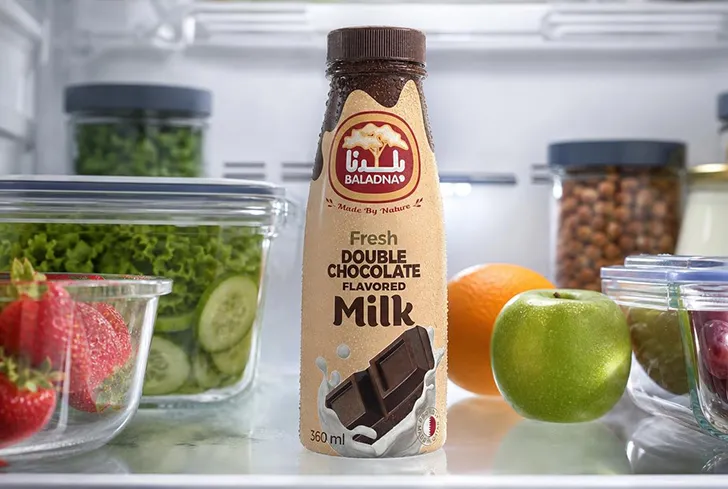
Blog How To Keep Your Favorite Chocolate Milk From Going Bad
10 September, 2026

How To Keep Your Favorite Chocolate Milk From Going Bad

Similar

Regardless of where you are, everyone loves a tall glass of cold chocolate milk on a hot summer day. For some, this refreshing drink may remind them of their nostalgic childhood. But have you ever smelled or tasted a whiff of sour chocolate milk and felt disappointed about it? 


While feeling upset about your spoiled chocolate milk is understandable, you must know why it happens and how to prevent it from going rancid. This article will explain the lifespan of chocolate milk and what you can do to extend its shelf life. 


How long will chocolate milk last after the sale date?


While expired chocolate milk can last for about a week, it loses its nutritional value when the sugar converts into lactic acid. You can drink chocolate milk about a week after the sell-by date if you refrigerate it below 40°F.


Having said that, drinking spoiled milk can cause foul odors and food poisoning, so you should avoid it at all times. You can detect bad chocolate milk by its sour taste, off-color, and thick or clumpy texture. 


Why does chocolate milk spoil faster?


People create this chocolaty beverage by combining milk and chocolate. If the chocolate used in making the milk has gone rancid, it can cause the drink to spoil quicker. You should never use expired milk to create other dairy products like cheese, sour cream, or yoghurt because it will have a rotten smell and taste and will not be safe to consume.


How long will it take for chocolate milk to spoil?


While this beverage will spoil in two to four hours if you store it above 40°F, it can last five days to a week if you keep it properly in the fridge. You must refrigerate fresh milk immediately to prevent harmful bacteria growth and absorption of odors or flavors from the environment. Also, opened milk products spoil faster, so you should use them quickly to avoid cost and food waste.


How long can you let chocolate milk sit out?


While chocolate milk can last longer at room temperature than regular milk, health professionals and food experts recommend refrigerating it to prevent spoilage. Never leave dairy products or other refrigerated foods outside the fridge for more than two hours.


How long is chocolate milk good after opening? 


You must refrigerate your chocolate beverage and consume it within a week to ten days after opening. It will spoil if it goes unrefrigerated for more than two hours, and bacterial growth is faster between 40°F and 140°F. Also, check the appearance, texture, aroma, and taste before consuming. If it smells terrible, it most likely needs to be tossed out. 


How to keep chocolate milk from spoiling?


Storing chocolate milk in the fridge prevents it from going rancid. Refrigeration slows down fermentation and prevents bacterial growth. If you keep it properly, you can still safely consume the drink after two weeks. The stabilizers in chocolate milk, like carrageenan and guar gum, make it less likely to spoil. 


Is chocolate milk nutritious? 


Chocolate milk has many beneficial nutrients like calcium, vitamin D, and protein. However, children under 12 shouldn't drink it because of its caffeine content. 


Nobody deserves bad milk 


Nobody deserves to drink spoiled chocolate milk because it can ruin one’s day and cause stomach problems. You can prevent it from spoiling by buying from reputable brands and storing and refrigerating it properly. 

If you are looking for the best chocolate milk for a hot day, visit Baladna! We provide people in Qatar with authentic and fresh dairy products. Shop your favorite products today by visiting our website.

More Articles

Blog Part 2: When Is The Best Time To Drink Milk? And What Are The Benefits?
08 September, 2026

Part 2: When Is The Best Time To Drink Milk? And What Are The Benefits?

While milk can be consumed at any time of the day, drinking milk at night can have several benefits. Drinking milk at night has been a long-standing tradition in many cultures for centuries. While some may argue that it’s an old wives’ tale, scientific evidence supports the benefits of drinking milk at night. Here are some ways drinking milk at night can improve health.1. Helps people fall asleep fasterMilk contains tryptophan, an amino acid converted into serotonin and melatonin in the brain. Serotonin is a neurotransmitter that helps regulate mood, while melatonin is a hormone that helps regulate sleep. By drinking milk before bed, people can increase the levels of these chemicals in their brains, which can help them fall asleep faster.2. Promotes healthier sleep cyclesIn addition to helping people fall asleep faster, drinking milk at night can promote healthier sleep cycles. Milk contains calcium, which helps regulate the production of melatonin. By consuming milk before bed, people can help regulate their sleep cycles, leading to better quality sleep.3. Improves psychological healthDrinking warm milk before bed can also have psychological benefits. The warmth and comfort of the milk can help people feel relaxed and calm, reducing stress and anxiety. Additionally, drinking warm milk before bed can become a comforting bedtime routine, improving overall psychological well-being.Warm vs. Cold MilkMilk is a staple in many diets and is an excellent source of essential nutrients such as calcium, vitamin D, and protein. It is consumed in many forms, including as a beverage, in recipes, and as a supplement. Meanwhile, milk's nutrient content remains the same regardless of temperature. Some differences exist between warm and cold milk.Warm MilkDrinking warm milk can have a soothing effect on the body, helping to promote relaxation and improve sleep. Warm milk can also help improve digestion and promote healthy bowel movements. Additionally, warm milk can be a comforting bedtime routine, enhancing psychological well-being.One reason is that milk contains an amino acid called tryptophan, a precursor to the neurotransmitter serotonin. Serotonin is a chemical that helps regulate mood, appetite, and sleep. When you consume tryptophan, your body converts it into serotonin, which can help promote calmness and relaxation.Cold MilkCold milk can refresh the body, making it an excellent option for hot summer days. Cold milk can also be used in smoothies or other cold beverages, making it a versatile ingredient. Additionally, cold milk can be an excellent post-workout beverage, as it can help replenish the body's fluids and nutrients.Cold milk can also be used in smoothies or other cold beverages. It is a versatile ingredient that can be combined with fruits, nuts, and other ingredients to create unique and delicious drinks. Smoothies made with cold milk are an excellent way to get a healthy dose of nutrients while also enjoying a tasty and refreshing drink.

Blog Master the Art of Cheese Storage: Tips for Keeping Cheese Fresh and Mold-Free
03 November, 2024

Master the Art of Cheese Storage: Tips for Keeping Cheese Fresh and Mold-Free

A fridge is never complete without the presence of cheesy delights. It’s a versatile and delicious ingredient that can take the flavors of any meal to a whole new level. However, keeping cheese fresh and mold-free for an extended period can be challenging, even if stored in the fridge. But worry not! We’ve put together a list of some of the effective ways to store cheese to prevent mold growth and extend its shelf life.Use the original packagingMost cheese comes in its original packaging, designed to keep it fresh for as long as possible. Therefore, leaving the cheese in its original packaging is advisable until you're ready to use it. The packaging helps prevent moisture loss and keeps the cheese from absorbing odors from other foods in the fridge. The packaging also includes a label with the cheese's name, expiration date, and storage instructions.Wrap cheese in wax paperYou can wrap the cheese in wax paper if the original packaging is unavailable. Wax paper allows the cheese to breathe while preventing it from drying out. Be sure to wrap the cheese tightly to keep air out, which can cause mold growth. You can also use parchment paper or cheese paper specifically designed for storing cheese.Avoid plastic wrap and aluminum foilPlastic wrap and aluminum foil are not ideal for storing cheese for an extended period. Plastic wrap can trap moisture, causing the cheese to become slimy, while aluminum foil can cause the cheese to oxidize and develop off-flavors. If you must use plastic wrap or aluminum foil, be sure to wrap the cheese tightly and use it within a few days.Store cheese in the right part of the fridgeThe temperature and humidity in different parts of the fridge vary, and storing cheese in the wrong part can lead to mold growth and spoilage. The ideal temperature for storing cheese is between 35°F and 45°F. Therefore, it's best to store cheese in the vegetable or cheese drawer, where the temperature is more consistent and less likely to fluctuate. Avoid storing cheese in the door of the fridge, as the temperature fluctuates every time the door opens and closes.Wrap cheese in cheese paperCheese paper is specifically designed for storing cheese and helps regulate moisture and air exchange. It's made of two layers of paper with a layer of plastic, which helps keep the cheese fresh and prevent mold growth. You can wrap the cheese tightly in the cheese paper and store it in the cheese drawer of the fridge.Wrap soft cheese in plastic wrapSoft cheeses like brie and camembert are delicate and can easily absorb odors and flavors from other foods in the fridge. Therefore, it's best to wrap them tightly in plastic wrap to prevent them from drying out and absorbing odors. Soft cheeses should be consumed within a few days of opening to ensure freshness.Store cheese in an airtight containerYou can store cheese in an airtight container if you don't have cheese or wax paper. Be sure to choose a container slightly bigger than the cheese to allow air circulation. You can also place a paper towel in the container to absorb any excess moisture and prevent mold growth.Keep your cheese fresh for extra goodness Cheese is the ultimate culinary delight - a delicious ingredient that transforms dishes with its cheesy magic! But keeping it fresh requires some effort from your end. Make sure to follow the tips above to keep your cheese as fresh as ever.If you’re looking for high-quality cheese, Baladna is the answer. We offer authentic, fresh, and high-quality dairy products of all kinds. Browse through our website to get a glimpse at our offerings.

Blog Here Are 4 Reasons Why Dairy Is Good for You
27 August, 2025

Here Are 4 Reasons Why Dairy Is Good for You

Are you ready to dive into the deliciously nutritious world of dairy? Get your spoons and straws ready because we are about to embark on a tour of the health benefits that dairy has to offer. From yoghurt and ayran to milk and cheese, there's a whole barn-load of goodness that we often take for granted. So why don't you join us as we milk this topic for all it's worth, and uncover the secrets that make dairy products not just tasty, but amazing for our health too!1. Calcium: The ultimate cheerleader for your bones You've probably heard it a thousand times before, but we'll say it again: calcium is vital for strong bones and teeth. And when it comes to calcium, dairy is the MVP. A single glass of milk contains around 300 mg of calcium, which is about one-third of an adult's daily requirement. Say goodbye to brittle bones and hello to a stronger, more robust skeleton. Plus, the calcium in dairy products is easily absorbed by the body, so you can be sure that your bones are reaping the full benefits. Remember the old saying, "milk does a body good”? Turns out it's true!2. Protein: The whey to go for muscle growth and repairDairy products aren't just good for your bones; they are also packed with high-quality protein. This macronutrient is essential for muscle growth, repair, and maintenance, as well as keeping your hair, nails, and skin looking fabulous. Milk, cheese, and yoghurt all contain a good amount of protein, but Greek yoghurt and cottage cheese are particularly protein-rich options. And if you've been hitting the gym, you've probably heard about the wonders of whey protein. This fast-absorbing protein, derived from milk, can help you build muscle, lose fat, and improve your athletic performance. 3. Probiotics: The gut-feeling you can trust If you're looking for a gut-friendly food, look no further than fermented dairy products like yoghurt and kefir. These delightful treats are packed with live bacteria and yeast, aka probiotics, which are essential for maintaining a healthy gut microbiome. Probiotics can help with digestion, boost your immune system, and even improve your mood (yes, that's right—a happy belly equals a happy mind). So, don't be sour, embrace the probiotic power of dairy and watch your gut health flourish.4. Overall improvement in healthThe health benefits of dairy don't stop at calcium, protein, and probiotics. Consuming dairy products can help lower your risk of developing heart disease, type 2 diabetes, and high blood pressure. Plus, dairy has been linked to improved weight management and a reduced risk of obesity. And for those who are lactose intolerant, don't worry, there are plenty of lactose-free dairy options available, so you can still reap the rewards of this nutritious food group.