Blog Say Cheese: How To Keep Your Cheese At Its Best
11 September, 2026

Say Cheese: How To Keep Your Cheese At Its Best
Picture this: you walk into your local cheese counter, eyes filled with wonder at the diversity. Excitedly, you bring your treasures home, only to forget about them in the depths of your fridge for weeks. When you finally remember your cheese, you're greeted with fuzzy mold patches. 


We know what a disappointment that can be and that’s why we’ve put together this article, revealing the secrets behind cheese preservation. Ready to dive into the fascinating world of cheese and uncover the best ways to keep it fresh and delicious? 


Cracking the cheese code: Understanding cheese types


Are you familiar with the cheese classification types? There are two key factors to consider: moisture content and the ripening process. The level of moisture in cheese influences its overall consistency and mouthfeel. Cheese can be soft, semi-hard, or hard, depending on its moisture levels. 


Soft cheeses like Feta, Brie and Gorgonzola are characterized by their creamy, spreadable texture, due to their high moisture content. Then you have Gouda, Provolone, and Muenster which fall under the semi-hard category. These cheeses are more balanced and versatile. Lastly, Aged Cheddar and Parmesan proudly claim their place among the hard cheeses. These types of cheeses have a very low moisture content. 


In addition to moisture levels, the ripening process also plays a role, with unripened, mold-ripened, and bacteria-ripened cheeses taking center stage. Unripened cheeses, also called fresh cheeses, skip the aging process and offer a delicate and creamy texture and flavor. Mold-ripened cheeses - such as Brie and Camembert - undergo a process where the mold culture transforms the texture and taste. Bacteria-ripened cheeses - such as Muenster - boast complex and robust flavors. 


Unveiling the mystery of cheese spoilage


Cheese has a life of its own, and understanding its timeline is crucial. First, let's decode the difference between a "best if used by/before" date and an "expiration" date. The USDA sets the record straight: the former indicates peak flavor, not safety. So don't despair if you spot your cheese past its "best by" date. Spoilage, however, is a different story altogether. When cheese goes bad, it's either way overripened and flavorless, or it can make you ill. 


But here's a cheesy secret: mold isn't always a villain. Hard and semi-hard cheeses like Cheddar, Gouda, and Parmesan can be rescued by cutting off at least an inch around and below the moldy spot. Remember, mold doesn't penetrate these resilient cheeses. Moldy soft cheeses, though? Beware! New mold on soft cheeses is a no-no. Say goodbye to black and pink patches — they're a sign that something has gone very wrong. Stick to the white mold on your soft cheeses and avoid any unexpected surprises.


The art of cheesy longevity: How long does cheese last?


Now let's talk about cheese lifespan. Soft cheeses, including washed-rind and bloomy-rind varieties, last about seven to ten days, depending on their ripeness when you bring them home. Firmer cheeses, such as aged Parmesan and Gouda, can survive for months, showcasing their impressive endurance. However, cheeses like Havarti and Cheddar typically last a few weeks. 


Keep an eye on blue cheeses—they can last up to two weeks, but beware as the "bluing" process continues. Remember, these are general guidelines. Each cheese has its quirks, so treat them with the respect they deserve.


The magic of cheese scraps 


Instead of tossing leftover cheese or ignoring its existence in your fridge, make use of it in the kitchen! Use leftover cheese in mac and cheese or risotto for an extra dose of richness. And for those toast aficionados, smear-ripened cheeses on hot bread with a dollop of jam. It's a heavenly combination you will enjoy. 


It’s a wrap! 


Cheese, with all its delectable variations, deserves our utmost care. By understanding cheese types, recognizing spoilage signs, and mastering storage techniques, we can extend the life of our cheeses and prevent unnecessary waste. While preserving cheese is essential, savoring it is the ultimate goal. So go forth, enjoy your cheese, and let the magic unfold! 


If you're a cheese lover who values authenticity, freshness, and quality, then you should definitely try Baladna cheese! As a 100% Qatari brand, Baladna takes pride in providing dairy products that are not only delicious but also ethically produced. With one of the largest cattle farms in the region, spanning over an area of 2.6 million sqm and a capacity to house up to 24,000 cows, Baladna ensures that its cows are kept in a comfortable and well-conditioned environment, allowing them to reach their production capacity comfortably. So, if you want to experience the taste of fresh and authentic dairy products, try Baladna today!
More Articles

Blog Want to Keep Milk Fresh For Longer? Here Are Some Effective Hacks
14 May, 2024

Want to Keep Milk Fresh For Longer? Here Are Some Effective Hacks

Milk is a staple in most households, but it can be frustrating when it goes bad before you have a chance to finish it. Spoiled milk not only smells and tastes bad, but it can also be a waste of money. Fortunately, there are several tips and tricks you can use to keep milk fresh for longer. Here are some of them: Tip #1 - Freeze itOne of the most effective ways to extend the shelf life of milk is to freeze it. Freezing milk slows down the growth of bacteria, which is the main cause of spoilage. To freeze milk, simply pour it into a freezer-safe container and leave some room at the top for expansion. It's important to note that milk’s texture and taste may change slightly after being frozen, so it's best to use it for cooking or baking instead of drinking it straight from the freezer.Tip #2 - Store it in the back of the fridgeAnother way to keep milk fresh for longer is to store it in the back of the fridge. This is because the back of the fridge is usually the coldest part, which helps slow down the growth of bacteria. It's also important to keep milk away from the door of the fridge, as the temperature fluctuates more in this area.Tip #3 - Keep it coveredMilk can easily absorb odors and flavors from other foods in the fridge, so it's important to keep it covered. Use a lid or plastic wrap to seal the container tightly and prevent any outside odors from affecting the milk.Tip #4 - Don't buy more than you needOne of the simplest ways to prevent milk from going bad is to only buy what you need. If you find that you often have leftover milk that goes to waste, consider buying smaller containers or scheduling your grocery shopping more frequently. This way, you can always have fresh milk on hand without worrying about waste.Tip #5 - Check the expiration dateIt's important to always check the expiration date of the milk before you buy it and before you use it. Milk can spoil quickly, so it's best to use it before the expiration date to ensure its freshness and safety. If you notice any off odors or flavors, it's best to discard the milk to avoid any potential health risks.Tip #6 - Add a pinch of saltAdding a pinch of salt to your milk can help prolong its freshness. The salt helps slow down the growth of the bacteria that causes milk to spoil. Just be sure to only add a very small amount, as too much salt can affect the taste of the milk.Tip #7 - Buy good quality milkInvesting in good quality milk can make a big difference in its freshness and taste. Look for milk that is organic, and free of hormones and antibiotics. Additionally, milk that is processed using high-pressure pasteurization (HPP) or ultra-high temperature (UHT) processing can also help extend its shelf life.Got milk? Only if you know how to keep it fresh! By following these tips, you can help prolong the freshness of your milk and reduce waste. Remember to store your milk properly, keep it at a consistent temperature, and use it before the expiration date. If you are looking for high-quality milk, buy Baladna milk products. Baladna sells fresh and top quality dairy products. Shop with us and get the best milk products for your home today!

Blog Impressive Health Benefits of Eating White Cheddar Cheese
14 May, 2024

Impressive Health Benefits of Eating White Cheddar Cheese

If you love cheese, then you're probably already familiar with the benefits of eating white cheddar cheese. But if not, today is your lucky day because we’ve compiled all the benefits of eating white cheddar cheese right here. The nutritional side of white cheddar cheeseTo understand the healthy side of white cheddar cheese, it’s important to acknowledge all the essential nutrients it offers. Here's a breakdown of the nutritional value of white cheddar cheese: 1. Vitamin AWhite cheddar cheese is a great source of Vitamin A. One ounce (28 grams) of white cheddar cheese contains at least six percent of Vitamin A. This essential nutrient helps keep your eyesight strong and supports healthy skin, hair, and nails. It's also important for immune function and wound healing. 2. CaloriesWhite cheddar cheese is a great choice if you are watching your weight. With just 114 calories per ounce of serving, it's one of the lowest-calorie cheeses available. A serving of white cheddar cheese has approximately the same amount of calories as a serving of low-fat plain yogurt. This makes it a good choice if you want to cut back on calories and still get enough protein and calcium.3. CarbohydratesCarbohydrates are less than 0.5 ounces per serving of white cheddar cheese. This is an extremely low amount of carbohydrates for any food, making it a good choice for people trying to limit their carb intake. 4. ProteinA serving of white cheddar cheese has about 7 grams of protein. This is a moderate amount of protein for any food, making it a good choice if you're looking to add more protein to your diet.5. CalciumLike any other type of cheese, white cheddar contains a large amount of calcium. A single serving of this cheese will give you about 20 percent of your recommended calcium intake. This makes it a good choice if you're trying to meet the RDI for this nutrient but want to avoid consuming dairy products like milk or yogurt.Possible benefits of eating white cheddar cheeseAside from the fact that it's delicious, white cheddar cheese has several health benefits. Here are some of them:1. Healthier teeth: When consumed in moderation, white cheddar cheese can help strengthen the enamel on your teeth and reduce the risk of cavities. The calcium found in this type of cheese helps harden tooth enamel while also preventing bacteria from building up on your teeth. This means that less plaque will be formed and fewer cavities will occur.2. Lower cholesterol: White cheddar cheese is a low-fat food, which means it's also a low-cholesterol food. By reducing the fat in your diet and eating more foods like white cheddar cheese, you can decrease the chances of developing conditions like heart disease or stroke.3. Increased bone density: The calcium in white cheddar cheese can help increase bone density and prevent osteoporosis by strengthening bones with every bite you take. Calcium is ideal for building strong bones because it helps repair weak spots in the skeletal structure before they become problematic.Indulge in white cheddar bliss! White cheddar cheese offers so many benefits that can be enjoyed by many. Found almost in every supermarket, this delicious cheese is both convenient and accessible. If you're looking to increase your cheese intake, consider adding a serving of white cheddar cheese to your next meal.At Baladna, we have over 30 years of experience producing high-quality cheese and dairy products. Baladna’s white cheddar cheese is made with only the best ingredients, including fresh milk from our very own cows. We take pride in providing our customers with the highest quality products at affordable prices.

Blog The Incredible Soft Cheese: Understanding Labneh
29 October, 2024

The Incredible Soft Cheese: Understanding Labneh

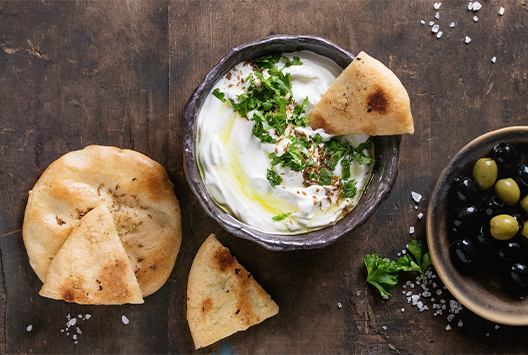
In recent years, the culinary world has seen a surge in the popularity of Middle Eastern cuisine, with dishes like hummus, falafel, and shawarma becoming mainstays in many foodie circles. However, there is one Middle Eastern delight that remains a best-kept secret to many: labneh. This versatile, creamy, and tangy yoghurt-based delight is a staple in many Middle Eastern households and is slowly leaving its mark on taste buds around the globe. Today, we will delve into the world of labneh, talking about what it is, how it's made, and how you can enjoy it in various recipes. For starters, what is labneh? Labneh, also known as labna, labni, or lebni, is a soft cheese made from strained yoghurt. It is a popular ingredient in Middle Eastern cuisine, particularly in Lebanon, Palestine, Jordan, and Syria. Labneh has a thick and creamy texture, similar to Greek yoghurt or sour cream, but with a slightly tangier taste. It is often used as a spread, dip, or topping and can be found in both savory and sweet dishes.How is labneh made?Labneh is made by straining yoghurt to remove the whey, which results in a thicker and creamier consistency. The process is quite simple and can easily be done at home. Here's a basic recipe for making your own labneh:Ingredients:4 cups of plain yoghurt (preferably full-fat)1 teaspoon of saltInstructions:Mix the yoghurt and salt together in a bowl.Line a sieve or colander with a cheesecloth or a clean, thin kitchen towel, and place it over a large bowl.Pour the yoghurt mixture into the lined sieve and cover with the cloth's edges.Place the bowl in the refrigerator and let the yoghurt strain for at least 24 hours or until it reaches your desired consistency. The longer it strains, the thicker and creamier the labneh will be.Once the labneh is ready, transfer it to an airtight container and store it in the refrigerator. The labneh will last for up to two weeks.How to enjoy labnehLabneh is an incredibly versatile ingredient that can be enjoyed in many different ways. Here are some ideas for incorporating this delicious Middle Eastern secret into your culinary repertoire:1. As a dipMix labneh with minced garlic, chopped fresh herbs (such as mint or parsley), olive oil, and a pinch of salt for a delicious and healthy dip. Serve with fresh vegetables, pita bread, or crackers.2. As a spreadSpread labneh on toast, bagels, or sandwiches as a tangy alternative to cream cheese. 3. In saladsMix a bit of labneh with lemon juice, olive oil, and spices to create a creamy salad dressing.4. In bakingUse labneh as a substitute for sour cream or yoghurt in recipes for cakes, muffins, pancakes, or other baked goods.5. As a dessertSweeten labneh with honey or sugar and serve it with fresh fruit, nuts, and a drizzle of honey for a light and delicious dessert.6. As a toppingFinally, use labneh as a topping for grilled or roasted vegetables, meat, or fish dishes for added creaminess and flavor.Enjoy labneh today!Labneh is undoubtedly one of the Middle East's best-kept secrets, offering a unique combination of tangy flavor and creamy texture that can elevate any dish. Whether you're looking to expand your culinary horizons or simply searching for a tasty and versatile ingredient to add to your creations, give labneh a try and discover the delightful world of Middle Eastern cuisine.Baladna delivers genuine, fresh, and top-notch dairy products courtesy of our farm, which is home to 24,000 cows. The excellent environment of the farm ensures the production of superior quality dairy products. If you are looking for the best labneh, check out our offerings by visiting our website.

Blog Power Hour: The Best Time To Drink Pineapple Juice
27 August, 2025

Power Hour: The Best Time To Drink Pineapple Juice

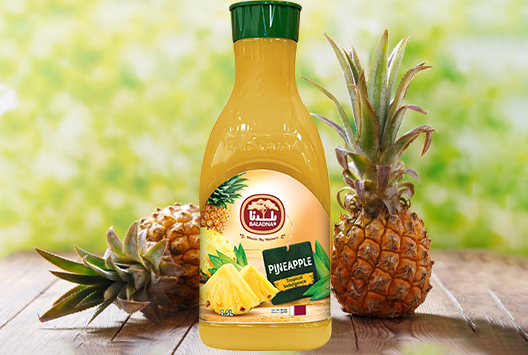
Pineapple juice is a delicious and refreshing drink that is enjoyed by people all over the world. It is made from the fruit of the pineapple plant, which is native to South America but is now grown in many parts of the world. But, did you know that pineapple juice is like a superhero drink packed with vitamins, minerals, and antioxidants? That's right! It's like having a powerful elixir that can provide numerous health benefits to your body and mind. In this article, we will take a closer look at the health benefits of pineapple juice. We’ll also explore the best time to drink it. Pineapple Juice: A look at calories and nutrition factsA 100 ml bottle of Baladna Pineapple Juice contains around 46.1 calories, which makes it a relatively low-calorie drink. It is also packed with vitamins and minerals. In fact, one cup of pineapple juice can help you achieve your recommended vitamin C intake. It is also a good source of vitamin B6, thiamin, and folate. Did you know that pineapple juice is also good for your heart health? It's true! This power drink is packed with potassium, which can help regulate blood pressure and promote a healthy heart. Plus, it's got a few other sidekicks like calcium, magnesium, and iron that can help keep your body strong and healthy. When is the best time to drink pineapple juice?There is no one right answer to this question. The ideal time to drink pineapple juice depends on your preferences and lifestyle. But, here are some guidelines to help you maximize the benefits of pineapple juice: In the morningDo you need help to get your day started? Grab a glass of pineapple juice and get ready to feel energized! Pineapple juice is the perfect way to kickstart your metabolism and give you a natural boost of energy. What’s more – it's packed with vitamin C, like a superhero that fights off bad guys (aka free radicals) and boosts your immune system. And get this, vitamin C also helps your body absorb iron, which is super important for keeping your blood cells healthy.But wait, there's even more! Drinking pineapple juice in the morning on an empty stomach can help your tummy too. It helps break down proteins, making you feel less bloated and more comfortable. So go ahead, pour yourself a glass of pineapple juice in the morning and get ready to take on the day!Before or after exerciseAre you seeking a secret weapon to take your workouts to the next level? Look no further than pineapple juice! This tasty drink can help improve your athletic performance and aid muscle recovery. Pineapple juice contains potassium, which works wonders for your muscles. It helps regulate fluid balance and prevents pesky muscle cramps from ruining your workout. It also provides a quick burst of energy, perfect for powering you up before a workout.But the magic of pineapple juice doesn't stop there. After a tough workout, drinking pineapple juice can help reduce inflammation and aid in muscle recovery. This is all thanks to the bromelain enzyme in pineapple. It helps fight off soreness in your muscles, so you can recover faster and get back to crushing your workouts.Before a mealDrinking pineapple juice before a healthy feast can help stimulate digestion and reduce your appetite. Pineapple juice is packed with fiber, which can help regulate your digestive system and promote feelings of fullness.Drinking pineapple juice before a meal can also help reduce cravings for unhealthy snacks and promote weight loss. The natural sugars in pineapple juice provide a quick energy boost, which can help curb cravings for sugary or fatty foods. Before bedAre you having trouble catching a proper good night's sleep? Well, pineapple juice will certainly help you drift off to dreamland. That is because pineapple contains an amino acid called tryptophan, which is like a sidekick to serotonin – the neurotransmitter that helps regulate mood and promote feelings of relaxation. This means no more tossing and turning as you try to get comfortable! But, if you're sensitive to acidic foods, you may want to skip this drink before bedtime.Go ahead and pour yourself a glass of pineapple juice! Are you looking for a fun and delicious way to boost your health? Well, look no further because Baladna Pineapple Juice is here to save the day! Get yourself some pineapple juice today; your taste buds and body will thank you!