Blog Easy After-School Routine
26 August, 2025

Easy After-School Routine

Download

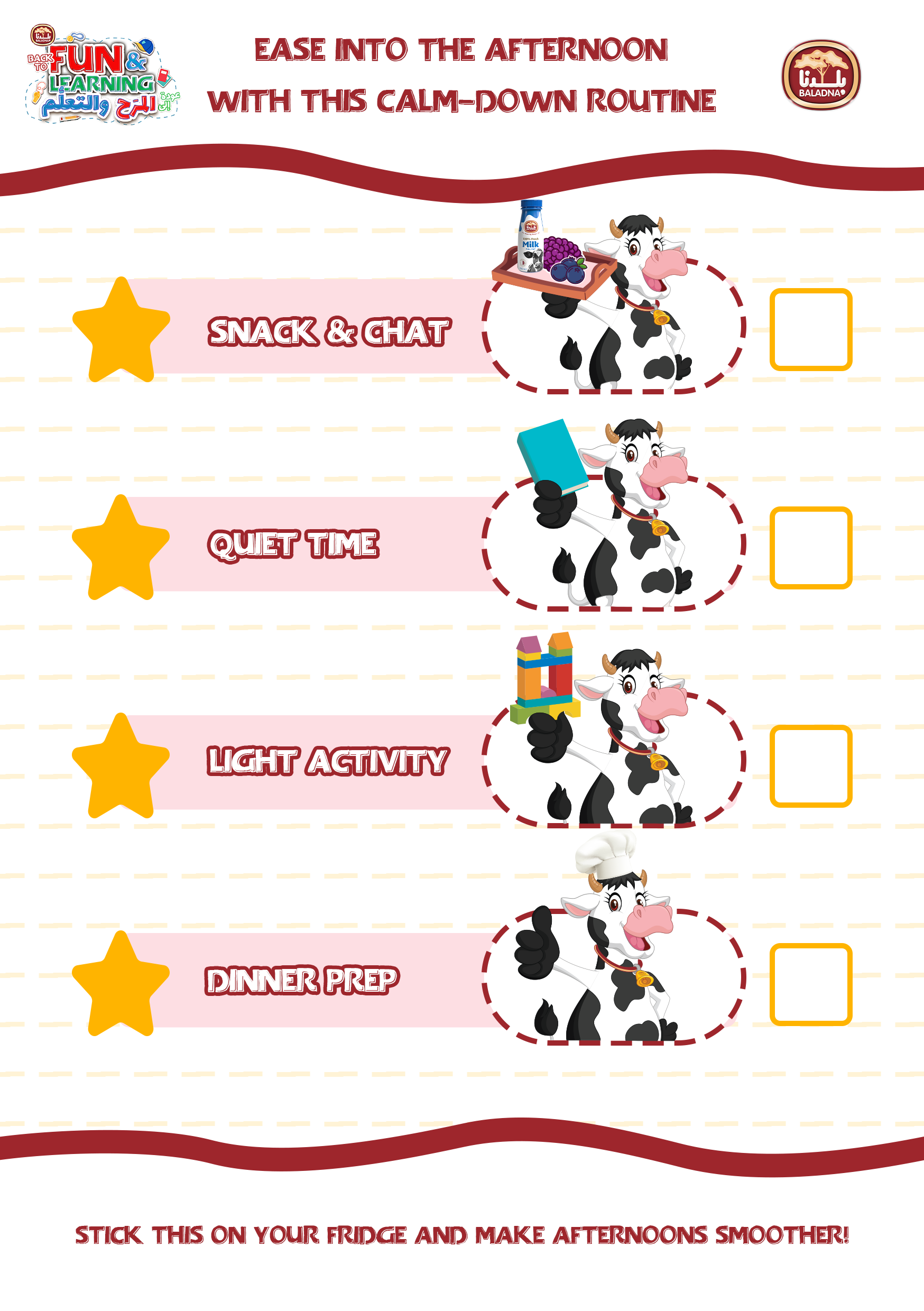
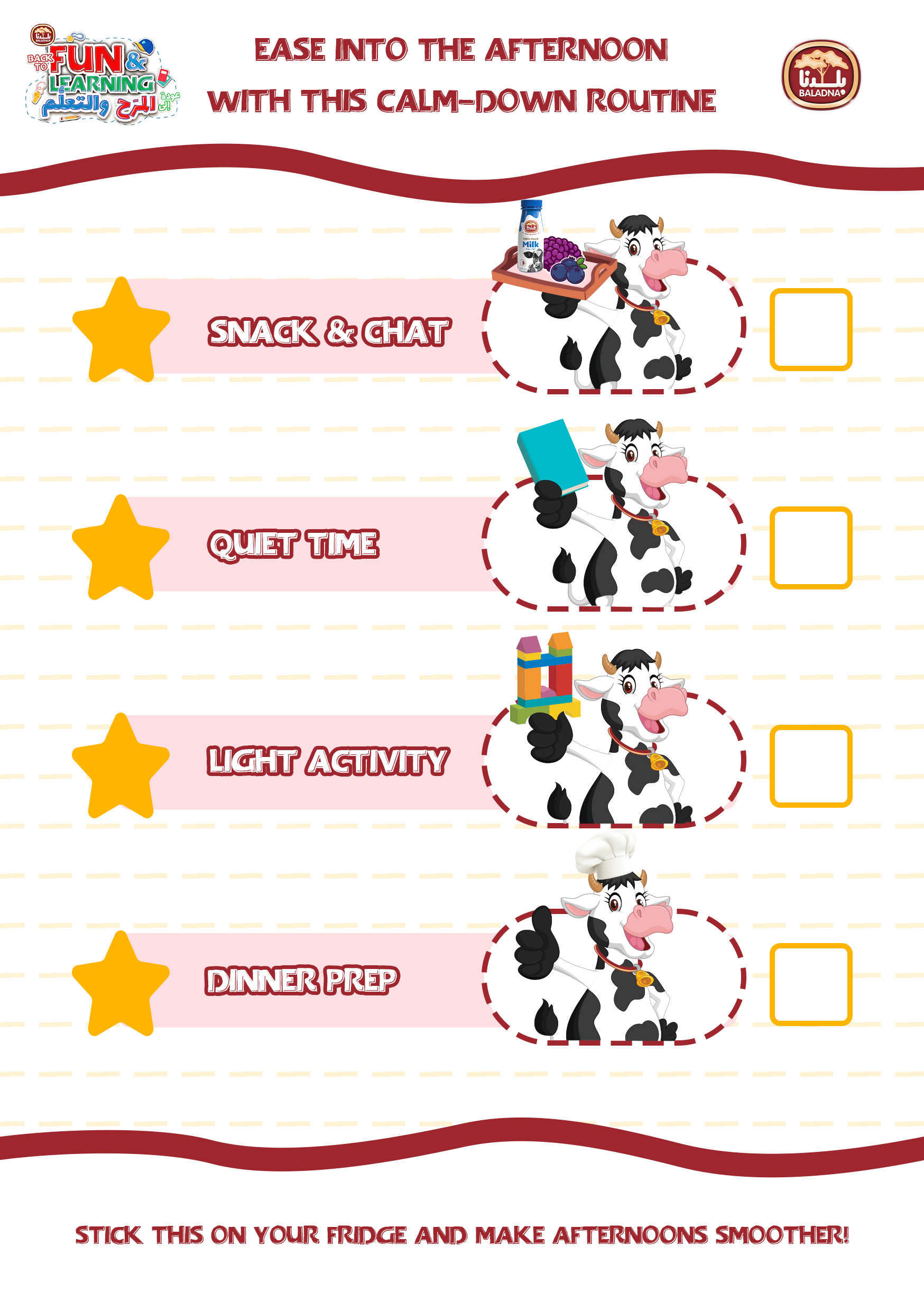
Afternoons can be smoother with a little structure. Mila helps kids wind down with a simple routine of snack time, quiet moments, light play, and helping with dinner

Download

More Articles

Blog Want to Keep Milk Fresh For Longer? Here Are Some Effective Hacks
14 May, 2024

Want to Keep Milk Fresh For Longer? Here Are Some Effective Hacks

Milk is a staple in most households, but it can be frustrating when it goes bad before you have a chance to finish it. Spoiled milk not only smells and tastes bad, but it can also be a waste of money. Fortunately, there are several tips and tricks you can use to keep milk fresh for longer. Here are some of them: Tip #1 - Freeze itOne of the most effective ways to extend the shelf life of milk is to freeze it. Freezing milk slows down the growth of bacteria, which is the main cause of spoilage. To freeze milk, simply pour it into a freezer-safe container and leave some room at the top for expansion. It's important to note that milk’s texture and taste may change slightly after being frozen, so it's best to use it for cooking or baking instead of drinking it straight from the freezer.Tip #2 - Store it in the back of the fridgeAnother way to keep milk fresh for longer is to store it in the back of the fridge. This is because the back of the fridge is usually the coldest part, which helps slow down the growth of bacteria. It's also important to keep milk away from the door of the fridge, as the temperature fluctuates more in this area.Tip #3 - Keep it coveredMilk can easily absorb odors and flavors from other foods in the fridge, so it's important to keep it covered. Use a lid or plastic wrap to seal the container tightly and prevent any outside odors from affecting the milk.Tip #4 - Don't buy more than you needOne of the simplest ways to prevent milk from going bad is to only buy what you need. If you find that you often have leftover milk that goes to waste, consider buying smaller containers or scheduling your grocery shopping more frequently. This way, you can always have fresh milk on hand without worrying about waste.Tip #5 - Check the expiration dateIt's important to always check the expiration date of the milk before you buy it and before you use it. Milk can spoil quickly, so it's best to use it before the expiration date to ensure its freshness and safety. If you notice any off odors or flavors, it's best to discard the milk to avoid any potential health risks.Tip #6 - Add a pinch of saltAdding a pinch of salt to your milk can help prolong its freshness. The salt helps slow down the growth of the bacteria that causes milk to spoil. Just be sure to only add a very small amount, as too much salt can affect the taste of the milk.Tip #7 - Buy good quality milkInvesting in good quality milk can make a big difference in its freshness and taste. Look for milk that is organic, and free of hormones and antibiotics. Additionally, milk that is processed using high-pressure pasteurization (HPP) or ultra-high temperature (UHT) processing can also help extend its shelf life.Got milk? Only if you know how to keep it fresh! By following these tips, you can help prolong the freshness of your milk and reduce waste. Remember to store your milk properly, keep it at a consistent temperature, and use it before the expiration date. If you are looking for high-quality milk, buy Baladna milk products. Baladna sells fresh and top quality dairy products. Shop with us and get the best milk products for your home today!

Blog 6 Cheese Facts More People Should Know About
13 October, 2024

6 Cheese Facts More People Should Know About

Cheese is a delicious and versatile food that has been enjoyed by people worldwide for centuries. Cheese is made from the milk of various animals, including cows, goats, and sheep. The first step in making cheese is pasteurizing the milk, which involves heating it to a specific temperature to kill harmful bacteria. Once the milk has been pasteurized, it is cooled and mixed with rennet, an enzyme that causes it to coagulate and form curds, eventually turning into the cheese we eat. However, few people know much about cheese, so we will discuss some facts you should know below: #1 - Cheese should be eaten sparinglyYou don't need to eliminate cheese from your diet completely. However, suppose you suffer from high cholesterol or high blood pressure. In that case, it's best to consume high-fat cheeses in moderation because certain roquefort, halloumi, feta, and cheese singles can be saltier than seawater. Cheese does, however, provide calcium and protein, making it acceptable in moderate amounts. To avoid temptation, maintain smaller servings of cheese and measure their weight. Opt for cheeses with a lower fat content like mozzarella, feta, cottage cheese, or those labeled as reduced-fat, as they contain lower amounts of saturated fat.#2 - Cheese can be addictiveStudies indicate that casein, a protein in dairy products and particularly abundant in cheese, produces opiates known as casomorphins during digestion. These opiates can indirectly provide a sense of comfort to the brain through hormones. If you consume a large amount of cheese, you might become used to its salty taste or develop a routine of eating it at specific times. Therefore, paying attention to your eating habits and slowly decreasing your cheese consumption is essential.#3 - Goat cheese is better than cow cheese Soft goat cheese has around 26g of fat per 100g, comparable to brie and edam, and roughly the same salt content as camembert. It is classified as a high-fat item, while cheeses like mozzarella, ricotta, and feta, typically made from sheep's milk or a blend of sheep's and goat's milk, have lower fat content.Goat cheese is often considered a better option for those with lactose intolerance compared to soft cow's milk cheeses. While it has a similar lactose content to semi-soft cheeses like brie or feta, it contains less lactose than moister cheeses such as ricotta and cottage cheese.#4 - Cheese can help keep the bones strongCheese is an excellent source of calcium. For example, a 30g serving of cheddar supplies more than 25% of an adult's daily needs. Nonetheless, other dairy products like yoghurt and milk are equally beneficial for bone health and contain less fat and salt. Cheese also has a minor quantity of vitamin D, a fat-soluble nutrient that aids calcium absorption from our diet. Dairy products with less fat, like semi-skimmed milk, have lower amounts of vitamin D than full-fat cheese.#5 - Reduced-fat cheese is a valid optionRemember that "reduced fat" does not automatically mean "low fat.” It simply indicates that the fat content is 25% lower than in the original version. To determine if the fat content is high (over 17.5g/100g), medium (3.1-17.5g/100g), or low (3g or less/100g), be sure to check the product's label.Additionally, you can cook and bake using low-fat cheese, but remember that it might take longer for low-fat hard cheese varieties to melt. To help with melting, grate the cheese finely and use low heat. When baking or grilling, these cheeses might create skin, so adding them closer to the end of the cooking time is better.#6 - Grated cheese is better than sliced  Many people use a smaller amount of cheese when grating it. A typical pre-sliced cheese weighs around 20-30 grams, and several slices are often used in a sandwich. However, you must be mindful of the portion size when grating cheese for use in sauces, toasted sandwiches, or baked potatoes, as it's pretty simple to use an excessive amount unintentionally.Say Cheese! Cheese is a delicious and beloved food enjoyed by people worldwide. However, it's essential to consume it in moderation and be aware of its nutritional value because it can be high in calories, fat, and sodium.If you are looking for high-quality dairy products, Baladna has what you need! We offer various healthy products, such as cheeses, yoghurt, milk, and fruit juices, all at affordable prices. Call us today at +974 4035 8888 to place an order!

Blog Rice Pudding: Is It A Healthy Snack?
06 October, 2024

Rice Pudding: Is It A Healthy Snack?

Rice pudding has been a popular dessert for many years, but is it a healthy snack option?Rice pudding is a creamy, sweet treat made from rice, milk, sugar, and other ingredients. It is a comfort food that people of all ages enjoy. However, when it comes to healthy eating, many people are not sure if rice pudding is a good choice.Let's take a closer look at its nutritional aspects.What is rice pudding?Rice pudding is a traditional dessert that has been around for centuries. It is made by cooking rice in milk or cream and adding sugar, vanilla, mastic or cinnamon, and other ingredients. The mixture is then baked or boiled until it becomes thick and creamy. Rice pudding can also be served hot or cold, and typically has a smooth, custard-like texture.Nutritional value of rice puddingRice pudding is a high-calorie dessert rich in carbohydrates, fat, and sugar. A serving of rice pudding typically contains around 200-300 calories, most of which come from carbohydrates and sugar. While rice pudding does have some protein and calcium, it is not a significant source of either of these nutrients.Rice pudding is also high in fat, with most recipes calling for whole milk or heavy cream. While these ingredients contribute to the pudding's creamy texture, they also add a significant amount of saturated fat to the dish. Saturated fat can increase cholesterol levels and increase the risk of heart disease.Is rice pudding a healthy snack option?While rice pudding is not a low-calorie or low-fat snack, it has some nutritional benefits. Rice pudding is a good source of carbohydrates, which provide energy for the body. Carbohydrates are also crucial for brain function and can help improve mood and cognitive function.Rice pudding also contains some calcium, which is vital for bone health. Calcium is necessary for building strong bones and teeth. However, the amount of calcium in rice pudding is not significant enough to make it a primary source of this nutrient.Rice pudding can also be made with healthier ingredients, such as low-fat or non-dairy milk alternatives. By substituting these ingredients, the fat and calorie content of the pudding can be significantly reduced. Adding fresh fruit or nuts to the pudding can also increase its nutritional value and provide additional vitamins and minerals.Should you eat rice pudding every day?From a nutritional standpoint, having rice pudding daily may not be the best idea. Rice pudding is usually high in sugar and calories, resulting in weight gain and other health problems if consumed excessively. It is also low in essential nutrients such as protein, vitamins, and minerals. Therefore, consuming rice pudding in moderation is recommended as part of your balanced and varied diet.Rice pudding is the ultimate comfort food; there’s no denying thatAlthough rice pudding is not a low-calorie or low-fat snack option, it does have some nutritional benefits. Rice pudding is a good source of carbohydrates and can provide energy for the body. It also contains some calcium, which is essential for bone health. However, consuming rice pudding in moderation is important, as is choosing healthier ingredient options when possible. By doing so, rice pudding can be enjoyed as a delicious and nutritious snack.Baladna is a Qatari-owned company that offers genuine, fresh, and high-quality dairy products. From yoghurt to rice pudding and more, we have the freshest products to deliver to your doorstep. Check out our products today!