Blog 7 Best Side Dishes to Serve with Halloumi Cheese
14 May, 2024

7 Best Side Dishes to Serve with Halloumi Cheese

Similar

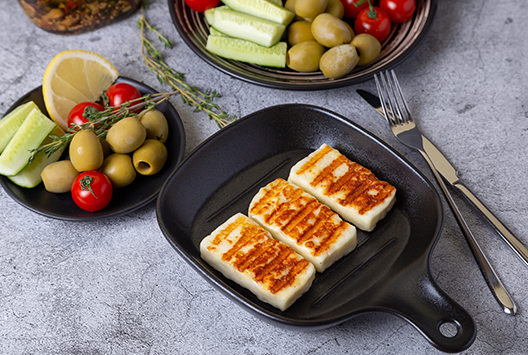
When it comes to the world of cheese, halloumi cheese easily steals the show – it’s firm, it’s delicious, and it can be cooked in so many different ways. Whether you're in the mood for grilled cheese or raw cheese, halloumi is the perfect choice. And on top of all that, its salty flavor makes it a great addition to a variety of different side dishes. 


If you're looking to take your halloumi game to the next level, we've got your backs. Here are the top seven side dishes that go perfectly well with halloumi cheese: 


1. Tomato Zaatar Soup


Tomato Zaatar Soup is a delicious side dish that goes really well with halloumi cheese. This soup is made with tomatoes, onions, garlic, and a variety of spices, including zaatar, a Middle Eastern spice blend that is made up of thyme, sumac, and sesame seeds. The zaatar's nutty flavor pairs well with fried bite-sized halloumi cheese. 


2. Pasta with Cherry Tomatoes & Mint


Pasta with cherry tomatoes and mint is the perfect side dish to pair with halloumi cheese. This delicious dish combines the salty, savory flavor of halloumi with the freshness of mint and the sweetness of cherry tomatoes.


Simply cook your favorite pasta according to the package directions, and when it’s done, toss it with a mixture of cherry tomatoes, fresh mint, garlic, olive oil, and a pinch of salt and pepper. Serve it alongside your grilled halloumi cheese and watch your taste buds go on an adventure!


3. Couscous Salad


Not only is couscous salad delicious and easy to make, but it also pairs perfectly with halloumi cheese. To start, boil one cup of couscous in two cups of water. Once cooked, toss in tomatoes, cucumbers, red onion, olives, and crumbled feta cheese. Top it off with a simple olive oil and lemon juice dressing. Serve it with grilled or fried halloumi on top or on the side. 


4. Rice Pilaf


Rice pilaf is a classic side dish that pairs perfectly with halloumi cheese. It is made by cooking rice in a flavorful broth and a variety of herbs, spices, and vegetables. To start, sauté some onions, garlic, and other veggies in a pan. Once soft, add the rice and cook until tender. Add a flavorful broth, herbs, and spices, and serve with fried or grilled halloumi.


5. Grilled Vegetables


Grilling vegetables is a great way to add flavor and nutrition to your meals. When served alongside halloumi cheese, grilled vegetables are an irresistible combination. Try grilling eggplant, bell peppers, asparagus, mushrooms, or zucchini to serve alongside halloumi cheese until they are tender and lightly charred. Grilled vegetables provide a great contrast in texture and their smokiness pairs perfectly with grilled halloumi cheese.


6. Roasted Potatoes


Roasted potatoes are a delicious and easy side dish to serve with halloumi cheese. To make, cut potatoes into wedges or cubes, toss with olive oil, salt, and pepper, then roast at 400°F for about 30 minutes or until golden brown. Serve with a sprinkle of fresh parsley, the perfect addition to fried halloumi cheese.


7. Sweet Chili Mayo


Nothing goes better with fried halloumi cheese than a delicious dipping sauce. Sweet chili mayo is a simple dipping sauce that will take your cheese platter to the next level. To make, mix together mayonnaise, sweet chili sauce, and lime juice in a bowl. The mayo provides the creamy texture, the sweet chili sauce adds a bit of sweetness and a hint of heat, and the lime juice brings it all together with a bright acidity.


Halloumi cheese is the salty partner you’ve been looking for


Halloumi cheese is a delicious addition to any meal, thanks to its salty and savory flavor. So wait no longer, it’s time to get cooking and enjoy the deliciousness of halloumi! 


Are you looking for premium dairy products? If so, Baladna is your best option. We are the leading dairy company in Qatar, offering an extensive range of products including fresh milk, cheese, yoghurt, and cream. Our dairy products have become staples in many households in Qatar due to their high quality and taste. Whether you are looking for halloumi, feta cheese, or any other cheese, we are the perfect choice. Browse through our list of cheeses today!



More Articles

Blog Rice Pudding: Is It A Healthy Snack?
06 October, 2024

Rice Pudding: Is It A Healthy Snack?

Rice pudding has been a popular dessert for many years, but is it a healthy snack option?Rice pudding is a creamy, sweet treat made from rice, milk, sugar, and other ingredients. It is a comfort food that people of all ages enjoy. However, when it comes to healthy eating, many people are not sure if rice pudding is a good choice.Let's take a closer look at its nutritional aspects.What is rice pudding?Rice pudding is a traditional dessert that has been around for centuries. It is made by cooking rice in milk or cream and adding sugar, vanilla, mastic or cinnamon, and other ingredients. The mixture is then baked or boiled until it becomes thick and creamy. Rice pudding can also be served hot or cold, and typically has a smooth, custard-like texture.Nutritional value of rice puddingRice pudding is a high-calorie dessert rich in carbohydrates, fat, and sugar. A serving of rice pudding typically contains around 200-300 calories, most of which come from carbohydrates and sugar. While rice pudding does have some protein and calcium, it is not a significant source of either of these nutrients.Rice pudding is also high in fat, with most recipes calling for whole milk or heavy cream. While these ingredients contribute to the pudding's creamy texture, they also add a significant amount of saturated fat to the dish. Saturated fat can increase cholesterol levels and increase the risk of heart disease.Is rice pudding a healthy snack option?While rice pudding is not a low-calorie or low-fat snack, it has some nutritional benefits. Rice pudding is a good source of carbohydrates, which provide energy for the body. Carbohydrates are also crucial for brain function and can help improve mood and cognitive function.Rice pudding also contains some calcium, which is vital for bone health. Calcium is necessary for building strong bones and teeth. However, the amount of calcium in rice pudding is not significant enough to make it a primary source of this nutrient.Rice pudding can also be made with healthier ingredients, such as low-fat or non-dairy milk alternatives. By substituting these ingredients, the fat and calorie content of the pudding can be significantly reduced. Adding fresh fruit or nuts to the pudding can also increase its nutritional value and provide additional vitamins and minerals.Should you eat rice pudding every day?From a nutritional standpoint, having rice pudding daily may not be the best idea. Rice pudding is usually high in sugar and calories, resulting in weight gain and other health problems if consumed excessively. It is also low in essential nutrients such as protein, vitamins, and minerals. Therefore, consuming rice pudding in moderation is recommended as part of your balanced and varied diet.Rice pudding is the ultimate comfort food; there’s no denying thatAlthough rice pudding is not a low-calorie or low-fat snack option, it does have some nutritional benefits. Rice pudding is a good source of carbohydrates and can provide energy for the body. It also contains some calcium, which is essential for bone health. However, consuming rice pudding in moderation is important, as is choosing healthier ingredient options when possible. By doing so, rice pudding can be enjoyed as a delicious and nutritious snack.Baladna is a Qatari-owned company that offers genuine, fresh, and high-quality dairy products. From yoghurt to rice pudding and more, we have the freshest products to deliver to your doorstep. Check out our products today!

Blog Is It Safe to Consume Cheese If You Have Heart Disease?
17 November, 2024

Is It Safe to Consume Cheese If You Have Heart Disease?

As one of the most beloved and versatile dairy products, cheese has been a staple in many people's diets for centuries. However, for those with heart diseases, the question of whether cheese is safe to consume remains a concern. This article will explore the relationship between cheese and heart disease and provide insights into whether cheese should be included in a heart-healthy diet.Understanding heart diseaseThe term heart disease may refer to various conditions that affect the heart, including heart failure, coronary artery disease, arrhythmia, and valve disease. These conditions can lead to complications such as heart attacks, strokes, and even death. According to the American Heart Association, heart disease is the leading cause of death in the United States, responsible for one in four deaths each year.The role of diet in heart diseaseDiet plays a crucial role in the development and management of heart disease. Unhealthy eating habits, such as consuming too many saturated and trans fats, sodium, and added sugars, can increase the risk of heart disease. On the other hand, a heart-healthy diet that includes fruits, vegetables, whole grains, lean proteins, and healthy fats can reduce the risk of heart disease and improve overall heart health.Cheese and heart disease: What the experts sayCheese is a rich source of calcium, protein, and vitamins, making it a popular food choice for many. However, cheese is also high in saturated fat, which has been linked to an increased risk of heart disease. The American Heart Association recommends that people limit their intake of saturated fat to less than 6% of total daily calories to reduce the risk of heart disease.A study published in the journal Nutrition, Metabolism, and Cardiovascular Diseases found that consuming high amounts of cheese was associated with an increased risk of cardiovascular disease. The study followed 36,000 participants over ten years and found that those who consumed the most cheese had a 14% higher risk of developing heart disease than those who consumed the least.However, not all studies have found a link between cheese consumption and heart disease. A meta-analysis of 29 studies published in the European Journal of Epidemiology found that cheese consumption was not associated with an increased risk of heart disease or stroke. The researchers noted that some types of cheese, such as hard cheese, may even have a protective effect against heart disease.Moderation is keyWhen it comes to cheese and heart disease, moderation is key. While some studies have found a link between high cheese consumption and an increased risk of heart disease, other studies have found no association or even a protective effect. The type of cheese, serving size, and overall diet are all factors that can impact the relationship between cheese and heart disease.As mentioned before, you may need to limit your intake of saturated fat to less than 6% of total daily calories. This can be achieved by choosing lower-fat cheese options, such as reduced-fat or fat-free cheese, and by consuming cheese in moderation. The recommended serving size for cheese is one ounce, which is about the size of a pair of dice.Incorporating cheese into a heart-healthy dietIncorporating cheese into a heart-healthy diet is possible for those with heart disease or those looking to reduce their risk. Choosing lower-fat cheese options, such as reduced-fat or fat-free cheese, can help reduce saturated fat intake. Pairing cheese with fruits, vegetables, and whole grains can also help balance the overall nutrient profile of a meal.Some types of cheese may even provide health benefits. For example, cheese made from grass-fed cows may contain higher levels of omega-3 fatty acids, which have been linked to a reduced risk of heart disease. Cheese made from goat or sheep milk may also be a good alternative for those who are lactose intolerant or sensitive to cow's milk.Buying high-quality cheese While cheese can be a delicious and nutritious addition to a well-balanced diet, those with heart disease or at risk of heart disease should consume cheese in moderation. Choosing lower-fat cheese options and pairing cheese with fruits, vegetables, and whole grains can help reduce saturated fat intake and provide a more balanced nutrient profile. By incorporating cheese into a heart-healthy diet, individuals can continue enjoying this beloved dairy product while promoting overall heart health.If you are looking for the best cheese for your diet, look no further than our healthy selections here at Baladna. We are 100% Qatari, and we have one of the largest cattle farms in the region, providing authentic, fresh and quality dairy products. Browse through our website for more!

Blog 6 Signs Your Yoghurt Has Gone Bad and 5 Tips to Prevent It
21 February, 2025

6 Signs Your Yoghurt Has Gone Bad and 5 Tips to Prevent It

Yoghurt is a versatile food that can be eaten on its own or used as an ingredient in various recipes. It's a nutritious source of protein, calcium, and probiotics. However, it's essential to be aware of the signs of spoiled yoghurt to avoid food poisoning. In this article, we'll explore the different ways to tell if yoghurt has gone bad and how to prevent it from spoiling. Whether you're a yoghurt lover or a novice, understanding the proper storage and handling of yoghurt is crucial for your health and safety.1. Appearance and TextureOne of the most apparent signs of spoiled yoghurt is a change in its appearance and texture. If you notice any discoloration or mold on the surface of the yoghurt, it is an indication that it has gone bad. Additionally, if the yoghurt appears watery or lumpy instead of smooth and creamy, it may be unsafe for consumption.2. SmellFresh yoghurt has a tangy and slightly sour aroma. However, if you notice a pungent, rancid, or foul smell, it is a clear indication that the yoghurt has gone bad. In such a case, it is advisable to discard the yoghurt and not consume it.3. TasteSpoiled yoghurt may have a sour or bitter taste, which is different from the tangy flavor of fresh yoghurt. If you notice any off-flavors or a metallic taste, it is best to avoid consuming it. If you are unsure about the taste, take a small spoonful and taste it before consuming a larger portion.4. Expiration DateThe expiration date on the yoghurt container is a crucial indicator of its freshness and safety for consumption. Yoghurt typically has a shelf life of 7-10 days from the date of production. However, this may vary depending on the type of yoghurt and the storage conditions. Always check the expiration date before consuming yoghurt and avoid consuming it past the expiry date.5. Storage ConditionsYoghurt should be stored in the refrigerator at temperatures below 40°F to prevent the growth of harmful bacteria. If you leave yoghurt at room temperature, it can spoil quickly, especially in hot and humid weather. Additionally, it is best to keep the yoghurt container covered to prevent contamination from other foods in the fridge.6. GasIf you open the yoghurt container and hear a hissing sound or notice gas escaping, it's a clear indication that the yoghurt has gone bad. Gas production is a sign of bacterial growth, which can cause food poisoning if consumed. If you notice this sign, discard the yoghurt and do not consume it.Tips for preventing yoghurt spoilageTo avoid yoghurt spoilage, adhere to the following tips:1. Always check the expiration date before purchasing yoghurt and avoid buying it if the date is close to expiry.2. Store yoghurt in the refrigerator at temperatures below 40°F and keep the container covered.3. Do not leave yoghurt at room temperature for an extended period.4. Avoid contaminating the yoghurt by using a clean spoon to scoop it out of the container.5. Consume yoghurt within 7-10 days of opening the container.Enjoy fresh and high-quality yoghurt If you are looking for high-quality, nutritious dairy products like yoghurt, look no further than Baladna. We are a trusted dairy and beverage company in Qatar that is committed to providing our customers with the best possible products. Try our yoghurt today and taste the difference for yourself!

Blog 5 Frequently Asked Questions About Consuming Yoghurt
12 September, 2024

5 Frequently Asked Questions About Consuming Yoghurt

Discover the irresistible world of yoghurt, a delightful dairy product made by fermenting milk with beneficial bacteria like Lactobacillus bulgaricus and Streptococcus thermophilus. Creamy and indulgent, this nutritious superfood is packed with protein, calcium, and even probiotics to nourish your body and soul. Whether enjoyed in its pure form or topped with fruits, nuts or other delectable ingredients, yoghurt has become a go-to snack for many. But what kind of questions do people have about consuming yoghurt? Here are some of the most frequently asked questions: 1. When should people eat yoghurt?The best time to eat yoghurt is on an empty stomach in the morning. Not only is it tasty and nutritious, but it’s also a great way to get a healthy dose of probiotics into your diet. It also helps regulate the digestive system while boosting your energy for the rest of the day.When eating yoghurt in the morning, choosing a low-sugar and protein variety is essential. Greek yoghurt is an excellent choice as it contains probiotics and is high in protein and calcium. You can also add some fresh fruit, nuts, or seeds to your yoghurt for nutrition.2. What are the effects of eating yoghurt at night?Eating yoghurt at night can have a few potential benefits and a few potential drawbacks. Yoghurt is a good source of calcium and probiotics, which can help boost your immune system and improve digestion. It can also help keep your blood sugar steady, benefiting those with diabetes.On the downside, eating yoghurt at night can cause heartburn and indigestion due to its high fat content. It can also lead to weight gain if you’re not careful with portion size. Additionally, if you’re eating yoghurt containing added sugar, it can lead to a spike in blood sugar and an energy crash later.3. Is it okay for people to eat yoghurt right after meals?Yes, people can eat yoghurt after meals. Yoghurt can be a great way to get your dose of probiotics, which can help keep your gut healthy and improve digestion. However, people should wait for at least two hours after meals to avoid stomach acid from killing the live bacteria.Yoghurt can also help balance blood sugar levels, which helps avoid energy crashes after eating. Additionally, yoghurt is a good source of calcium, which can help strengthen bones and teeth. However, it is essential to watch your portion sizes and avoid yoghurts with added sugar.4. When should people eat yoghurt for weight loss?Eating yoghurt as part of a balanced diet is great for weight loss. Yoghurt can be a great snack as it is lower in calories and fat than many other snacks, such as chips and cookies. It is also a good source of protein and calcium, which can help keep you feeling full and satisfied.Eating yoghurt in the morning or as a mid-morning snack is best. Eating yoghurt in the morning can help kickstart your metabolism and give you energy for the day. Eating it as a mid-morning snack can help prevent overeating later in the day.5. Are there side effects to eating yoghurt at night?In general, eating yoghurt at night has no significant side effects. However, it is essential to note that overeating yoghurt at night could lead to indigestion and heartburn. Eating a light snack, such as a small serving of yoghurt, is recommended if you eat late at night.