
Blog Power Hour: The Best Time To Drink Pineapple Juice
09 September, 2026

Power Hour: The Best Time To Drink Pineapple Juice
Similar

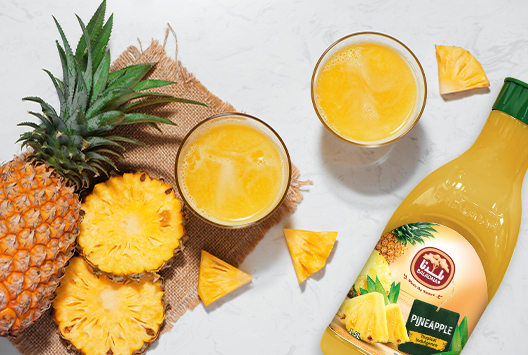
Pineapple juice is a delicious and refreshing drink that is enjoyed by people all over the world. It is made from the fruit of the pineapple plant, which is native to South America but is now grown in many parts of the world. 


But, did you know that pineapple juice is like a superhero drink packed with vitamins, minerals, and antioxidants? That's right! It's like having a powerful elixir that can provide numerous health benefits to your body and mind. 


In this article, we will take a closer look at the health benefits of pineapple juice. We’ll also explore the best time to drink it. 


Pineapple Juice: A look at calories and nutrition facts


A 100 ml bottle of Baladna Pineapple Juice contains around 46.1 calories, which makes it a relatively low-calorie drink. It is also packed with vitamins and minerals. In fact, one cup of pineapple juice can help you achieve your recommended vitamin C intake. It is also a good source of vitamin B6, thiamin, and folate. 


Did you know that pineapple juice is also good for your heart health? It's true! This power drink is packed with potassium, which can help regulate blood pressure and promote a healthy heart. Plus, it's got a few other sidekicks like calcium, magnesium, and iron that can help keep your body strong and healthy. 


When is the best time to drink pineapple juice?


There is no one right answer to this question. The ideal time to drink pineapple juice depends on your preferences and lifestyle. But, here are some guidelines to help you maximize the benefits of pineapple juice: 


  • In the morning


Do you need help to get your day started? Grab a glass of pineapple juice and get ready to feel energized! Pineapple juice is the perfect way to kickstart your metabolism and give you a natural boost of energy. 


What’s more – it's packed with vitamin C, like a superhero that fights off bad guys (aka free radicals) and boosts your immune system. And get this, vitamin C also helps your body absorb iron, which is super important for keeping your blood cells healthy.


But wait, there's even more! Drinking pineapple juice in the morning on an empty stomach can help your tummy too. It helps break down proteins, making you feel less bloated and more comfortable. So go ahead, pour yourself a glass of pineapple juice in the morning and get ready to take on the day!


  • Before or after exercise


Are you seeking a secret weapon to take your workouts to the next level? Look no further than pineapple juice! This tasty drink can help improve your athletic performance and aid muscle recovery. 


Pineapple juice contains potassium, which works wonders for your muscles. It helps regulate fluid balance and prevents pesky muscle cramps from ruining your workout. It also provides a quick burst of energy, perfect for powering you up before a workout.


But the magic of pineapple juice doesn't stop there. After a tough workout, drinking pineapple juice can help reduce inflammation and aid in muscle recovery. This is all thanks to the bromelain enzyme in pineapple. It helps fight off soreness in your muscles, so you can recover faster and get back to crushing your workouts.


  • Before a meal


Drinking pineapple juice before a healthy feast can help stimulate digestion and reduce your appetite. Pineapple juice is packed with fiber, which can help regulate your digestive system and promote feelings of fullness.


Drinking pineapple juice before a meal can also help reduce cravings for unhealthy snacks and promote weight loss. The natural sugars in pineapple juice provide a quick energy boost, which can help curb cravings for sugary or fatty foods. 


  • Before bed


Are you having trouble catching a proper good night's sleep? Well, pineapple juice will certainly help you drift off to dreamland. That is because pineapple contains an amino acid called tryptophan, which is like a sidekick to serotonin – the neurotransmitter that helps regulate mood and promote feelings of relaxation. This means no more tossing and turning as you try to get comfortable! But, if you're sensitive to acidic foods, you may want to skip this drink before bedtime.


Go ahead and pour yourself a glass of pineapple juice! 


Are you looking for a fun and delicious way to boost your health? Well, look no further because Baladna Pineapple Juice is here to save the day! Get yourself some pineapple juice today; your taste buds and body will thank you!

More Articles

Blog Grilled Halloumi Cheese: Perfectly Delicious Recipes
24 June, 2025

Grilled Halloumi Cheese: Perfectly Delicious Recipes

Halloumi cheese is loved around the world for its unique texture and salty flavor. Originating from Cyprus, this semi-hard cheese stands out because it doesn’t melt when grilled. Instead, it develops a golden, crispy outside with a soft, chewy center. Whether you’ve enjoyed halloumi before or are just getting started, learning to grill it perfectly will take your meals to the next level.How to Grill HalloumiGrilling halloumi is simple and quick. Here’s how to get it just right:Heat the Grill or Pan: Preheat your grill or pan so it’s nice and hot. This will help the halloumi get that perfect sear.Slice the Halloumi: Cut the cheese into thick slices, about 1/3 to 1/2 inch thick. Thicker slices stay firm, while thinner slices may fall apart.Oil It (Optional): While halloumi doesn’t require oil, brushing it with a little olive oil can add flavor and prevent sticking.Grill It: Place the slices directly on the grill or pan. Cook for about 2-3 minutes on each side, or until they turn golden-brown.Serve Immediately: Grilled halloumi tastes best when it’s hot and fresh. Enjoy it right off the grill for the best texture and flavor.Grilled Halloumi Recipe InsposOnce you’ve grilled your halloumi, there are endless ways to enjoy it. Here are a few easy ideas:1. Grilled Halloumi SaladToss your grilled halloumi into a fresh salad with kale, tomatoes, cucumbers, parsley, and quinoa. Drizzle a lemon-orange dressing over the top for a zesty touch. The salty halloumi pairs perfectly with the crisp veggies, creating a deliciously balanced meal.2. Halloumi SkewersThread grilled halloumi onto skewers along with bell peppers, zucchini, and cherry tomatoes. Grill until lightly charred and serve with a side of hummus for dipping. The combination of smoky veggies and salty cheese makes for a flavorful, easy-to-eat snack.3. Halloumi and Avocado ToastUpgrade your avocado toast by adding slices of grilled halloumi on top. The creamy avocado and salty halloumi make for a satisfying snack or light meal that’s perfect for any time of day.4. Halloumi BurgersReplace the usual burger patty with a slice of grilled halloumi in your next burger. Top it with roasted veggies and a garlic red pepper aioli for a flavorful and delicious twist on the classic burger.5. Grilled Halloumi with Pesto CiabattaTake your grilled halloumi and toasted ciabatta and spread a generous amount of pesto on each half. Layer the grilled halloumi on the bottom half, add a handful of fresh arugula or spinach, and top with the other half of the ciabatta. For extra flavor, you can add sliced tomatoes, sundried tomatoes, or roasted red peppers. Final ThoughtsGrilled halloumi is a delicious and easy way to elevate your meals. Try Baladna Halloumi today and enjoy the simple pleasure of perfectly grilled halloumi!

Blog Master the Art of Cheese Storage: Tips for Keeping Cheese Fresh and Mold-Free
03 November, 2024

Master the Art of Cheese Storage: Tips for Keeping Cheese Fresh and Mold-Free

A fridge is never complete without the presence of cheesy delights. It’s a versatile and delicious ingredient that can take the flavors of any meal to a whole new level. However, keeping cheese fresh and mold-free for an extended period can be challenging, even if stored in the fridge. But worry not! We’ve put together a list of some of the effective ways to store cheese to prevent mold growth and extend its shelf life.Use the original packagingMost cheese comes in its original packaging, designed to keep it fresh for as long as possible. Therefore, leaving the cheese in its original packaging is advisable until you're ready to use it. The packaging helps prevent moisture loss and keeps the cheese from absorbing odors from other foods in the fridge. The packaging also includes a label with the cheese's name, expiration date, and storage instructions.Wrap cheese in wax paperYou can wrap the cheese in wax paper if the original packaging is unavailable. Wax paper allows the cheese to breathe while preventing it from drying out. Be sure to wrap the cheese tightly to keep air out, which can cause mold growth. You can also use parchment paper or cheese paper specifically designed for storing cheese.Avoid plastic wrap and aluminum foilPlastic wrap and aluminum foil are not ideal for storing cheese for an extended period. Plastic wrap can trap moisture, causing the cheese to become slimy, while aluminum foil can cause the cheese to oxidize and develop off-flavors. If you must use plastic wrap or aluminum foil, be sure to wrap the cheese tightly and use it within a few days.Store cheese in the right part of the fridgeThe temperature and humidity in different parts of the fridge vary, and storing cheese in the wrong part can lead to mold growth and spoilage. The ideal temperature for storing cheese is between 35°F and 45°F. Therefore, it's best to store cheese in the vegetable or cheese drawer, where the temperature is more consistent and less likely to fluctuate. Avoid storing cheese in the door of the fridge, as the temperature fluctuates every time the door opens and closes.Wrap cheese in cheese paperCheese paper is specifically designed for storing cheese and helps regulate moisture and air exchange. It's made of two layers of paper with a layer of plastic, which helps keep the cheese fresh and prevent mold growth. You can wrap the cheese tightly in the cheese paper and store it in the cheese drawer of the fridge.Wrap soft cheese in plastic wrapSoft cheeses like brie and camembert are delicate and can easily absorb odors and flavors from other foods in the fridge. Therefore, it's best to wrap them tightly in plastic wrap to prevent them from drying out and absorbing odors. Soft cheeses should be consumed within a few days of opening to ensure freshness.Store cheese in an airtight containerYou can store cheese in an airtight container if you don't have cheese or wax paper. Be sure to choose a container slightly bigger than the cheese to allow air circulation. You can also place a paper towel in the container to absorb any excess moisture and prevent mold growth.Keep your cheese fresh for extra goodness Cheese is the ultimate culinary delight - a delicious ingredient that transforms dishes with its cheesy magic! But keeping it fresh requires some effort from your end. Make sure to follow the tips above to keep your cheese as fresh as ever.If you’re looking for high-quality cheese, Baladna is the answer. We offer authentic, fresh, and high-quality dairy products of all kinds. Browse through our website to get a glimpse at our offerings.

Blog Cheddar Cheese : A Guide To This Classic Dairy Product
16 August, 2024

Cheddar Cheese : A Guide To This Classic Dairy Product

Cheese lovers rejoice! We’ve put together this comprehensive guide to cheddar cheese to highlight its origins, varieties, and uses. After reading it, we’re sure you’ll know this classic dairy product inside and out. As one of the world's most popular types of cheese, cheddar is loved for its distinctively sharp flavor and creamy texture. So whether you're a cheese connoisseur or just curious about the basics of this delicious staple, read on to learn more about cheddar cheese.What is cheddar cheese?Cheddar cheese originated in England and is one of the world's most popular and widely consumed types of cheese. Rich yellow or white cheddar cheese has a distinctive sharp, acidic flavor, ranging from mild to extra sharp.Cheddar cheese is typically aged from two months to five years, with extended aging periods resulting in sharper flavors. The longer the cheese ages, the less moisture it contains and the firmer its texture. What is the difference between white and yellow/orange cheddar?White and yellow/orange cheddar cheese are two popular variations of the same type of cheese. There are several differences between the two varieties.- Appearance: White cheddar is creamy and off-white, while yellow/orange cheddar is bright orange-yellow. This color difference is due to adding annatto, a natural food coloring, to yellow/orange cheddar. White cheddar does not contain this food additive.- Flavor: White cheddar has a mild flavor with notes of sweet, nutty, and buttery flavors, while yellow/orange cheddar has a slightly sharper and more intense flavor thanks to the annatto coloring agent.- Nutrition: Yellow/orange cheddar is higher in vitamin A than white cheddar due to the annatto coloring. Otherwise, both kinds of cheese are high in fat and calories, offering similar amounts of protein and calcium. How is cheddar cheese normally used?Cheddar cheese is primarily used for melting on top of dishes such as burgers or grilled sandwiches and shredding over salads or soups.Cheddar is also used in other dishes, such as casseroles, quiches, and macaroni and cheese. The rich flavor of cheddar cheese adds depth and complexity to these dishes. Cheddar cheese is often used in sauces, dips, spreads, and dressings. Its sharp taste is perfect for adding flavor to these foods without the need for additional spices or seasonings.Another widespread use for cheddar cheese is in the form of snacks. Cheddar cheese can be easily cubed for snacking or melted onto crackers for a tasty treat. Cubes of cheddar cheese are often added to fruit platters or charcuterie boards, creating a delicious snack that everyone will enjoy. It is also great for grating into dips or making cheesy toppings for nachos or pizza. How do you store cheddar cheese?To store cheddar cheese the right way, wrap it tightly in wax or parchment paper and place it in an airtight container in the refrigerator. Ensure all edges are sealed tightly to avoid air from entering. This will help prevent mold from forming and spoiling the flavor of the cheese. It's also essential to keep the cheese away from other food items, as cheddar cheese has a powerful smell and taste that can be easily transferred to other foods.It’s a bold world with cheddar cheese Whether you're a long-time cheddar cheese lover or just starting to incorporate it into your dishes, we hope this guide helped you understand all the delicious possibilities this timeless dairy product offers. With its nutty, sharp taste and endless versatility, why not let cheddar cheese take center stage in your next dish? If you're looking for a trusted dairy and beverage company in Qatar to purchase the finest cheddar cheese from, Baladna is the answer. Our wide selection of cheddar cheese is made with the highest-quality milk and brings you bold flavors with every bite. Get yours now!

Blog Is It Safe to Consume Cheese If You Have Heart Disease?
17 November, 2024

Is It Safe to Consume Cheese If You Have Heart Disease?

As one of the most beloved and versatile dairy products, cheese has been a staple in many people's diets for centuries. However, for those with heart diseases, the question of whether cheese is safe to consume remains a concern. This article will explore the relationship between cheese and heart disease and provide insights into whether cheese should be included in a heart-healthy diet.Understanding heart diseaseThe term heart disease may refer to various conditions that affect the heart, including heart failure, coronary artery disease, arrhythmia, and valve disease. These conditions can lead to complications such as heart attacks, strokes, and even death. According to the American Heart Association, heart disease is the leading cause of death in the United States, responsible for one in four deaths each year.The role of diet in heart diseaseDiet plays a crucial role in the development and management of heart disease. Unhealthy eating habits, such as consuming too many saturated and trans fats, sodium, and added sugars, can increase the risk of heart disease. On the other hand, a heart-healthy diet that includes fruits, vegetables, whole grains, lean proteins, and healthy fats can reduce the risk of heart disease and improve overall heart health.Cheese and heart disease: What the experts sayCheese is a rich source of calcium, protein, and vitamins, making it a popular food choice for many. However, cheese is also high in saturated fat, which has been linked to an increased risk of heart disease. The American Heart Association recommends that people limit their intake of saturated fat to less than 6% of total daily calories to reduce the risk of heart disease.A study published in the journal Nutrition, Metabolism, and Cardiovascular Diseases found that consuming high amounts of cheese was associated with an increased risk of cardiovascular disease. The study followed 36,000 participants over ten years and found that those who consumed the most cheese had a 14% higher risk of developing heart disease than those who consumed the least.However, not all studies have found a link between cheese consumption and heart disease. A meta-analysis of 29 studies published in the European Journal of Epidemiology found that cheese consumption was not associated with an increased risk of heart disease or stroke. The researchers noted that some types of cheese, such as hard cheese, may even have a protective effect against heart disease.Moderation is keyWhen it comes to cheese and heart disease, moderation is key. While some studies have found a link between high cheese consumption and an increased risk of heart disease, other studies have found no association or even a protective effect. The type of cheese, serving size, and overall diet are all factors that can impact the relationship between cheese and heart disease.As mentioned before, you may need to limit your intake of saturated fat to less than 6% of total daily calories. This can be achieved by choosing lower-fat cheese options, such as reduced-fat or fat-free cheese, and by consuming cheese in moderation. The recommended serving size for cheese is one ounce, which is about the size of a pair of dice.Incorporating cheese into a heart-healthy dietIncorporating cheese into a heart-healthy diet is possible for those with heart disease or those looking to reduce their risk. Choosing lower-fat cheese options, such as reduced-fat or fat-free cheese, can help reduce saturated fat intake. Pairing cheese with fruits, vegetables, and whole grains can also help balance the overall nutrient profile of a meal.Some types of cheese may even provide health benefits. For example, cheese made from grass-fed cows may contain higher levels of omega-3 fatty acids, which have been linked to a reduced risk of heart disease. Cheese made from goat or sheep milk may also be a good alternative for those who are lactose intolerant or sensitive to cow's milk.Buying high-quality cheese While cheese can be a delicious and nutritious addition to a well-balanced diet, those with heart disease or at risk of heart disease should consume cheese in moderation. Choosing lower-fat cheese options and pairing cheese with fruits, vegetables, and whole grains can help reduce saturated fat intake and provide a more balanced nutrient profile. By incorporating cheese into a heart-healthy diet, individuals can continue enjoying this beloved dairy product while promoting overall heart health.If you are looking for the best cheese for your diet, look no further than our healthy selections here at Baladna. We are 100% Qatari, and we have one of the largest cattle farms in the region, providing authentic, fresh and quality dairy products. Browse through our website for more!